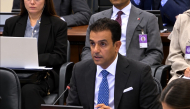
Doha: Panellists at the first session of the Private Sector Forum yesterday on the sidelines of the Fifth United Nations Conference on the Least Developed Countries (LDC5) in Doha discussed the energy transition and ways to achieve modern, reliable, sustainable and affordable solutions that serve development.
They said that energy demand is expected to increase in the coming years with an estimated 488 million people living without access to electricity in LDCs, noting that access to sustainable energy is a top priority for the Doha Program of Action, which stresses crucial role of sustainable energy in achieving structural transformation in LDCs.
Andrew M. Herscowitz, the first Chief Development Officer (CDO) at US International Development Finance Corporation (DFC), said that the development of the energy sector is essential for growth in various countries, highlighting the DFC’s new tools and financing to countries that need them to achieve growth through various mechanisms of loans ranging from one million to one billion US dollars and other technical assistance.
The DFC has funded projects worth $11bn in African countries, he said, adding that the African Energy Efficiency Program completed 130 projects across the continent and has plans and projects in the continent that include renewable energy.
Deputy Director General of the International Renewable Energy Agency (IRENA) Gauri Singh explained that there is a need to double investments to help millions gain access to electricity, in addition to the expected new funding of $1bn for IRENA’s previous initiative.
Governments in developing countries, in addition to their projects in the field of renewable energy, should deepen the partnership with the private sector and allow it to expand in these projects due to its financing capabilities, in a way that relieves pressure on the public sector and governments that suffer from pressures and budget deficits and debts due to the global crises in recent years over the COVID-19 crisis or international conflicts, Singh said.
More than 88 percent of investments in the renewable energy sector come from the private sector, and an attractive environment must be established for private investment in this sector so that countries can achieve the desired goals towards energy transition to clean energy, she added.
CEO and co-founder of ANKA Madagascar Camille Andre Bataille stressed that mini-grids are a key component of energy access solutions, but for reasons ranging from basic unit economics to readiness of national policy and regulatory environments, they remain difficult investments.
Madagascar strived over the past years to achieve the integration of small networks with business and agricultural operations to improve the economy and social impact of modern small network investments through the ‘Agri Grid’ model, which provides access of food and agricultural products to the market to increase family income, she added.
Panellists said that the LDCs receive only six percent of the private investments at a time they need an annual investment of $35 billion in a ‘business as usual’ scenario and $46 billion in a ‘green’ scenario. The private sector made 88 percent of investments in the renewable energy sector between 2013 and 2018, they added.