DOHA: The US economy grew by only 0.5 percent on an annualised basis in the first quarter of 2016. This represents a continuation of the slowdown witnessed in the last quarter of 2015, when the economy grew by 1.4 percent compared to an average of 3.0 percent in the previous two quarters, QNB’s weekly economic commentary noted yesterday.
QNB expects that the growth will pick up, with the economy expanding by 2.1 percent over the whole of 2016. The projected pick-up, expected to be driven by higher private consumption, is far from impressive, but it is sufficiently robust to bring the unemployment rate further down and sustain the strong recovery in the labour market.
This might convince the US Federal Reserve (Fed) to raise interest rates again, especially given the firming of inflation, which is edging closer to the 2 percent target.
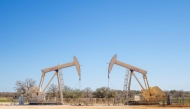
Private consumption was the main driver behind the 0.5 percent growth in the first quarter, contributing 1.3 percentage points (pp). Meanwhile, investment subtracted 0.6pp despite the impressive 14.1% growth in residential investments. This was mainly due to cuts in oil and gas investments caused by the decline in oil prices and a slowdown in the accumulation of inventories. Elsewhere, net exports subtracted a further 0.3pp due to the lagged effect of the appreciation of the US dollar, which has hurt price competitiveness. Finally, government spending was relatively neutral, contributing 0.2pp to growth during the quarter.
Qualitatively, we expect these broad patterns to persist throughout 2016. But quantitatively, we expect growth should rise to 2.1 percent for the year overall as the strong expansion in private consumption overwhelms drags from investment and net exports, QNB analysts said.
Consumption is expected to benefit from four tailwinds. First, higher wage growth should increase the spending power of consumers. Second, the strong recovery in the labour market means that more people would benefit from higher wages. Indeed, the unemployment rate (5.0 percent) is low and is expected to fall, while the pick-up in the participation rate meant that 2.4m people have joined the labour force since September 2015.
Third, the fall in oil prices (we expect a fall from an average price of $54/barrel in 2015 to $41/barrel in 2016) would free up some income for consumers to spend on other items. Fourth, rising house prices could create positive wealth effects and support consumer sentiment.
The projected growth of the US economy is far from impressive, but it could be sufficient to convince the Fed to continue raising interest rates. The unemployment rate is expected to fall to 4.8 percent by year-end. And the tightening of the labour market has, at last, started to impact wages, which is in turn leading to a firming of inflation. Core inflation (which excludes volatile items such as food and energy) reached 1.6 percent in March, not far off the Fed’s 2 percent target. As a result, we expect two rate hikes by the Fed in 2016.
However, financial markets seem more complacent. They are currently pricing in fewer than one rate hike this year, and attach a probability of 40 percent to no rate hikes at all. Although the market’s assessment of the probability of no rate hike this year has fallen significantly from the 80 percent it reached in mid-February, we think it still underestimates the likelihood of monetary tightening given the fundamentals of the US economy and what the Fed says it intends to do.
To sum up, the US consumer is generating a solid if unspectacular recovery in the US economy. We expect the recovery to be sufficiently robust to yield further gains in the labour market and employment, which are already beginning to impact wage and price inflation.
A tighter labour market and higher inflation might convince the Fed to continue its rate increases in the second half of the year. We expect two rate hikes to be implemented until the end of 2016. However, financial markets are still unconvinced. They might be in for another shock when the Fed starts to respond to the fundamentals of the US economy.
The Peninsula