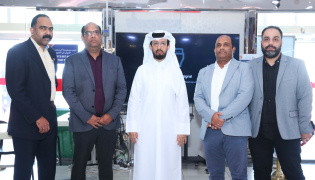
DUBAI: Dubai developer Nakheel will restart work on part of one of the three palm-shaped islands that came to symbolise the excesses of the emirate’s boom years, the company chairman said, in a sign Dubai is bouncing back from its financial crisis.
Nakheel, which was taken over by the government as part of a $16bn rescue plan completed in 2011, will change the manmade island group’s name to Deira Island from Palm Deira, Chairman Ali Rashid Lootah told reporters on the sidelines of Dubai’s property exhibition show Cityscape.
Deira Island will have about 1,400 retail units and restaurants including a night market, plus a 250-room hotel, a 30,000 capacity amphitheatre and other attractions.
A company-supplied photo of the revamped project does not show any of the palm fronds that defined the original project’s shape, indicating it will be significantly smaller than Palm Deira was envisaged.
Nakheel will develop the main area and invite outside companies to develop other parts. It will issue tenders (with)in six months.
Three industry sources told Reuters earlier yesterday that Nakheel would revamp and relaunch Palm Deira.
When asked if the new plan meant Nakheel had scrapped Palm Deira proper, Lootah said: “For the time being, we will be developing this project.”
In the United Arab Emirates, developers rarely formally scrap projects - doing so could leave them facing compensation claims from buyers of unfinished developments.
“There will be four islands that we have reclaimed,” Lootah said. “Our aim is to support the government’s strategy promote tourism. So the focus will be on hotels and commercial units.”
In May, Dubai’s tourism chief said the emirate aimed to treble its annual income from tourism to Dh300bn ($82bn) by 2020. Nakheel finished only one of its three palm-shaped islands off the emirate’s coast — Palm Jumeirah — before the global financial crisis triggered a property market crash.
It indefinitely suspended work on the other two larger projects, Palm Jebel Ali and Palm Deira.
Lootah said Nakheel would seek to self-finance most of its projects and had no immediate plans to raise funds from the market.
On Monday, Emaar Properties and Dubai Holding, a conglomerate owned by the emirate’s ruler, said they would join forces to restart work on The Lagoons, a six million square metre development that also floundered in the wake of the emirate’s property crash and corporate debt crisis.
Real estate developers, many of them state-controlled, have also announced tens of billions of dollars worth of new projects in the past year as Dubai’s economy revives on the back of growth in the trade and tourism sectors.
Reuters