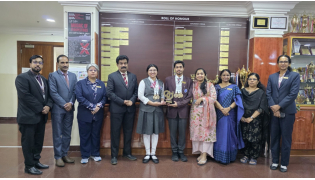
DOHA: With the implementation of an educational initiative aimed at promoting breastfeeding in the hospital the practice has increased among mothers with two years, The Maternity Unit at Women’s Hospital has successfully implemented ‘the Baby-Friendly Hospital Initiative’, the project focuses on adopting best practices in breastfeeding with the aim of promoting wellness of the mother and her baby.
The breastfeeding rate during hospital stay has increased from 40 percent in 2012 to 82 percent in June 2014. Skin to skin contact, which is an innovative practice that allows skin contact between a mother and her baby immediately after birth, has also increased from 0 to 79 percent.
The initiative is led by Dr Amal Abu Bakr, Chairperson of the Breastfeeding Committee and Lactation Consultant at Women’s Hospital, with the support of a multi-disciplinary team, including senior management, specialists and nurses from the hospital.
Dr Abu Bakr explained that breastfeeding is the ideal and complete form of nutrition for babies and young children up to the age of two. “Breastfeeding ensures optimum growth and development for babies, and plays a very important role in developing the baby’s immune system, as it has many anti-infective and anti-inflammatory properties,” she said.
Dr Abu Bakr highlighted, “Breastfeeding has many evidence-based scientific health advantages for babies, such as prevention against acute infections like pneumonia, and chronic illnesses like cardiovascular disease and diabetes. It is also very beneficial to women’s health, as it reduces the risk of diseases like anemia, breast and ovarian cancer, and osteoporosis, among other diseases.”
Under the initiative, effective 20-hour training courses, recognised by the World Health Organization (WHO) and United Nations Children’s Fund (Unicef) were completed by doctors, nurses, and other service providers. Lectures covering a number of breastfeeding topics have also been regularly organized for staff at the hospital. Moreover, mothers and their families are encouraged to participate in group meetings and discussions with maternity services’ staff to learn about new interventions and receive educational materials in Arabic and English.
New breastfeeding support services have also been introduced under the project, such as the Lactation Management Clinic at the Outpatient Department, for mothers who encounter difficulty in breastfeeding after they have left the hospital. A breastfeeding room has also been established in the Neonatal Intensive Care Unit (NICU) to assist mothers whose babies need highly specialised care.
The Peninsula