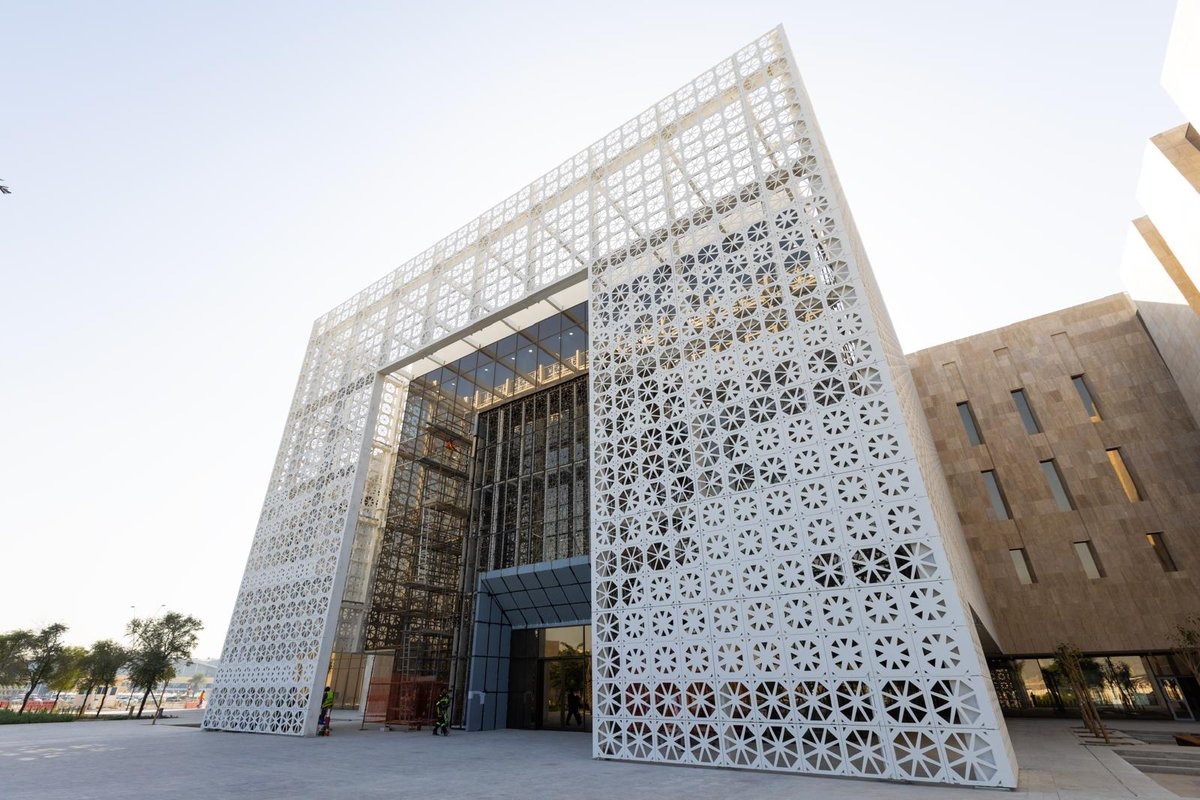
Doha, Qatar: The Public Works Authority (Ashghal) announced that the construction of the Colleges of Medicine and Health Sciences building at Qatar University (QU) has reached 96 percent completion.
The project is scheduled for completion in the second quarter of 2026, as part of Ashghal's efforts to meet the university's expansion needs while adhering to the highest standards of quality and safety.
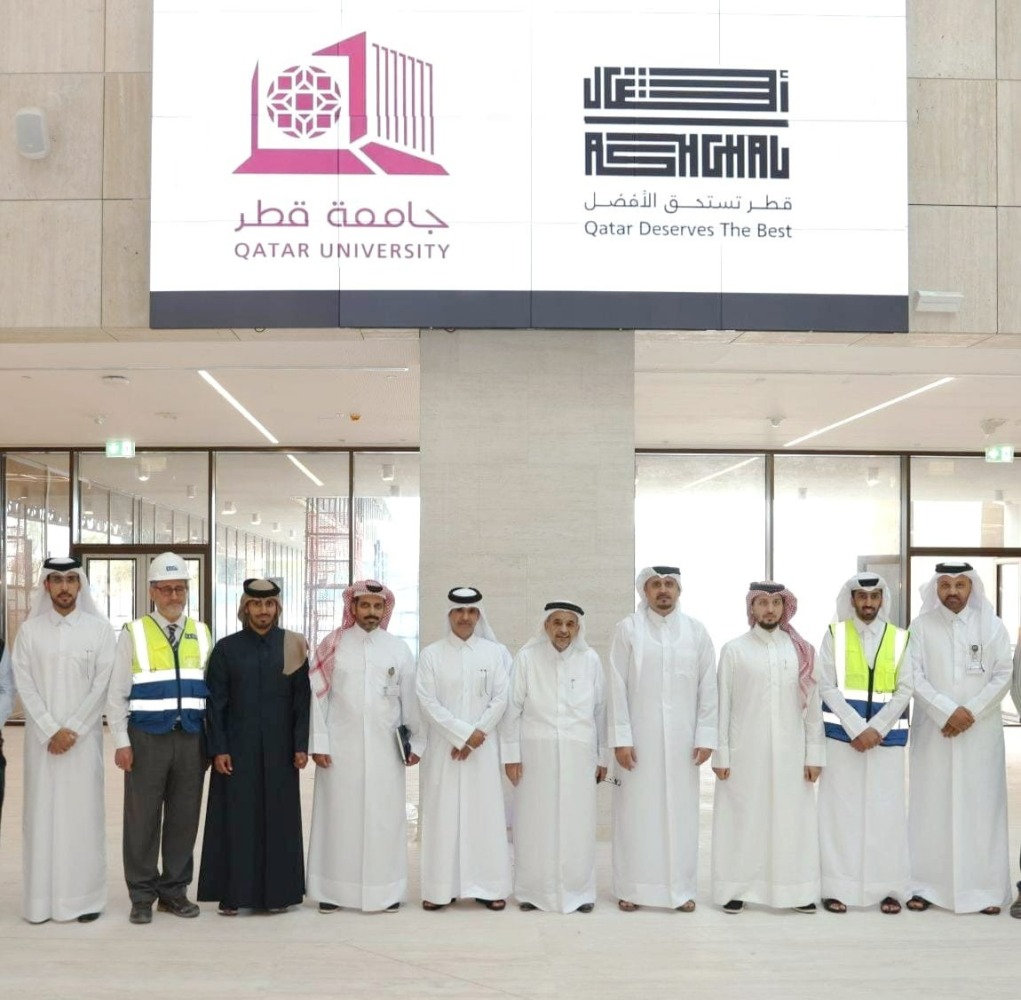
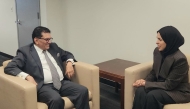
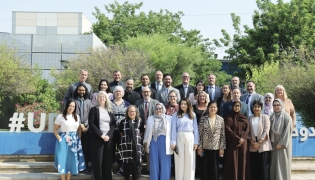
During a field visit to the project, accompanied by HE President of QU, Dr. Omar bin Mohammed Al Ansari and several other officials, Ashghal President, Eng. Mohammed bin Abdulaziz Al Meer, emphasized the importance of adhering to operational standards and delivering the project on schedule, while maintaining the highest standards of quality and safety.
Project Manager Eng. Aisha Ali Al Sada underlined that current efforts are focused on completing works, supplying and installing furniture, and testing electromechanical devices and equipment.
The project extends over a total building area of approximately 36,000 square meters, accommodating approximately 1,470 students. The two colleges' buildings consist of a four-story main building which consists of teaching classrooms, various training, educational, and anatomical research laboratories, lecture halls, an administrative area, halls for students and visitors, prayer areas, and an anatomical museum.
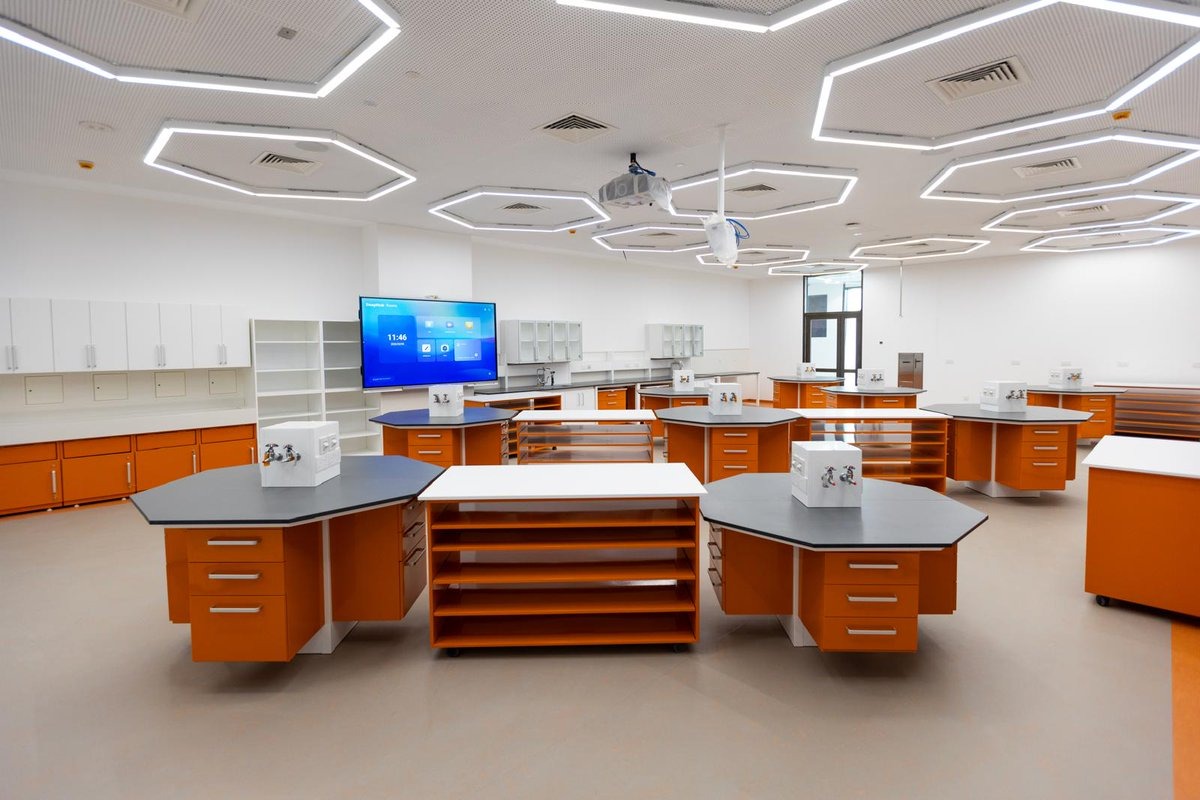
The building also includes 286 parking spaces to serve students and visitors, in addition to 9 large lecture halls and 13 small classrooms, and provides two clinical skills laboratories, 4 analytical tools laboratories, 28 additional specialized laboratories, and 10 clinical examination wards in order to provide an integrated educational experience, theoretically and practically.
The project was also characterized by the use of advanced digital technologies, specifically Building Information Modeling (BIM) and 360-Degree Photo Capture Technology, in addition to Augmented Reality and Virtual Reality. These technologies provide tangible benefits in enhancing efficiency and controlling quality and accuracy across different project phases.
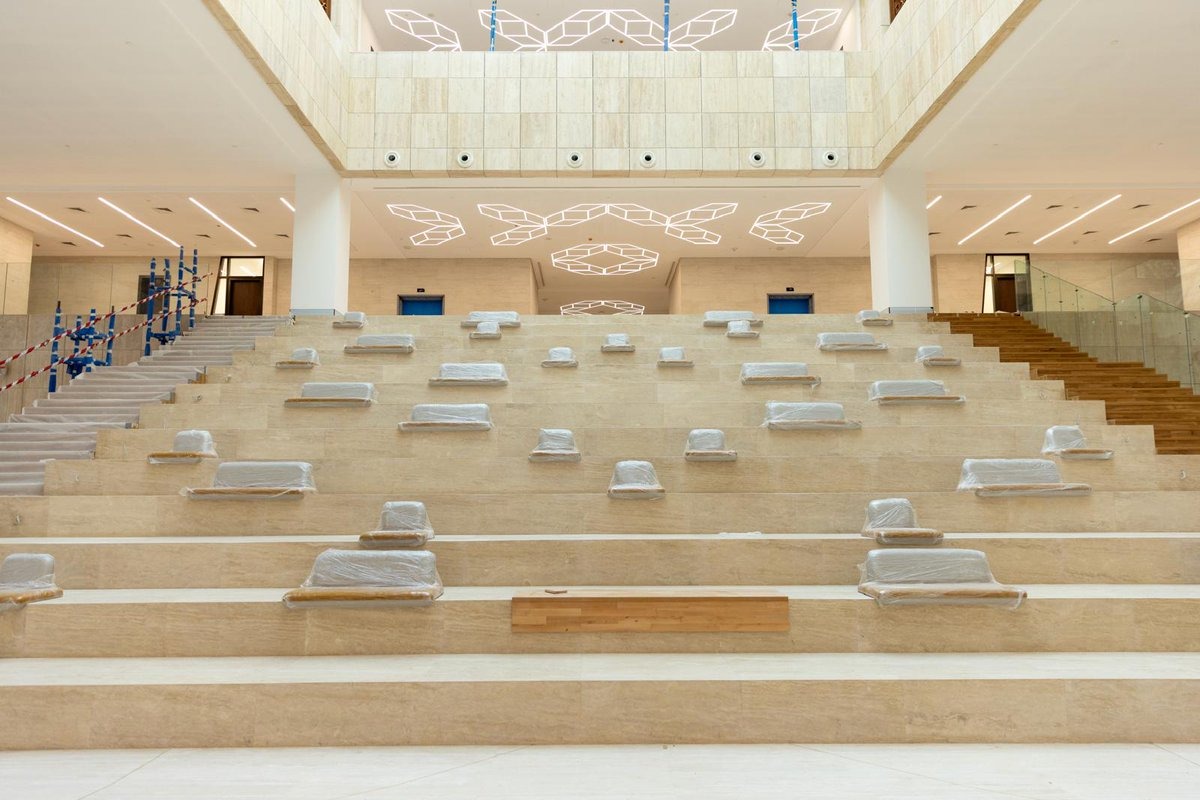
In the context of environmental sustainability, the buildings were designed to receive a 3-star rating from the Global Sustainability Assessment System (GSAS) while ensuring that the needs of people with disabilities are met by providing wide corridors, streamlined slopes, and specialized signboards for ease of movement and safe access to all college facilities.