Doha. Qatar: The Ministry of Endowments and Islamic Affairs (Awqaf) has reinforced its commitment to sustainability and energy efficiency by organizing a specialized training workshop on the use of solar energy systems in mosques, as part of its efforts to modernize facilities, improve resource management, and support the objectives of Qatar National Vision 2030.
The workshop, titled, “Use of Solar Panels in Mosques,” was organised by the Ministry’s Engineering Affairs Department in cooperation with the New and Renewable Energy Department at the Qatar General Electricity and Water Corporation (Kahramaa). It forms part of ongoing initiatives aimed at enhancing environmental sustainability and improving energy efficiency across the ministry’s facilities and infrastructure.
The training session is one of a series of joint programs conducted under Kahramaa’s “BeSolar” initiative, which seeks to promote awareness of solar energy and strengthen national expertise in renewable energy technologies. The initiative supports Qatar’s broader efforts to advance sustainability and optimize the use of natural resources.
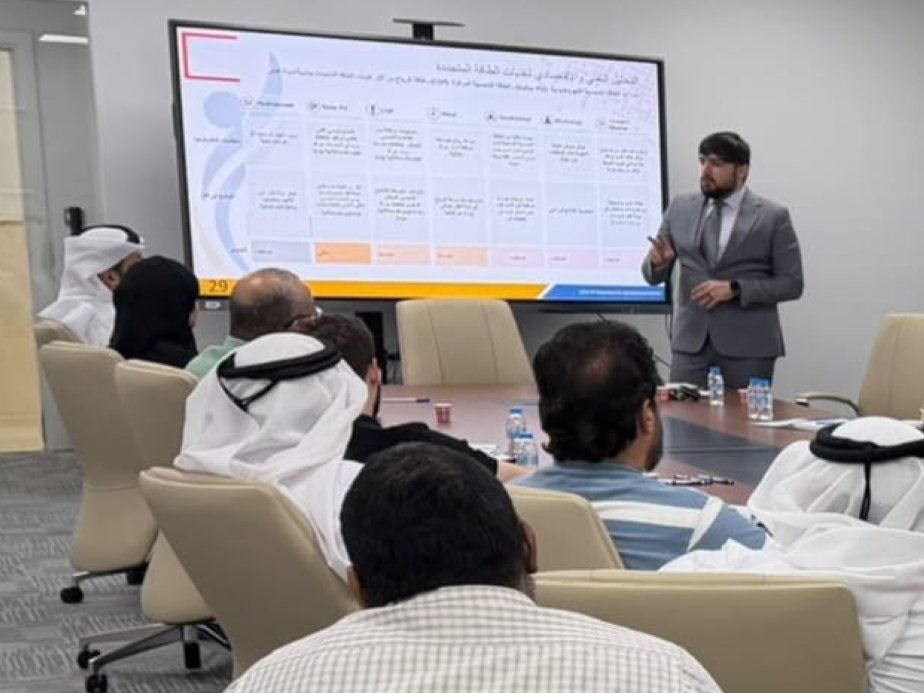
During the workshop, participants explored a range of scientific and practical topics related to the integration of solar energy systems in mosques. Discussions covered clean and renewable energy sources, including solar and wind power, as well as Kahramaa-recommended solar energy systems and the procedures required to obtain electricity permits for projects incorporating solar installations.
The workshop also highlighted the benefits of adopting solar energy in mosques, including reducing electricity consumption, enhancing energy efficiency, and delivering operational and economic advantages.
Participants received guidance on selecting and testing solar panels, as well as understanding the technical specifications and standards governing solar energy components and approved contractors responsible for their implementation.
Specialists from Kahramaa’s New and Renewable Energy Department delivered detailed presentations on the various topics, sharing technical and operational best practices designed to maximize the efficiency and effectiveness of solar energy systems in mosques while ensuring compliance with approved standards and regulations.
Officials noted that the Ministry of Endowments and Islamic Affairs is among the first government entities to strengthen institutional cooperation with Kahramaa in the areas of energy conservation, efficiency, and renewable energy. This partnership reflects a strong institutional commitment to environmental sustainability and responsible resource management, in line with Islamic values that promote moderation, the avoidance of waste, and the responsible use of blessings.
The workshop concluded with an agreement on several initiatives aimed at deepening cooperation between the two organisations.
These include organising awareness workshops for consultants involved in mosque design, launching advanced training programs for engineers specialising in solar energy systems for mosques, and conducting technical studies of existing and planned mosques to identify opportunities for benefiting from the BeSolar initiative and adopting international best practices in renewable energy.
The ministry said the workshop aligns with the objectives of its 2025-2030 Strategic Plan, which emphasizes institutional sustainability, efficient resource management, and the adoption of innovative technologies to enhance facilities and services.
These efforts contribute directly to the achievement of Qatar National Vision 2030 and the country’s transition toward a green economy and environmentally sustainable development.