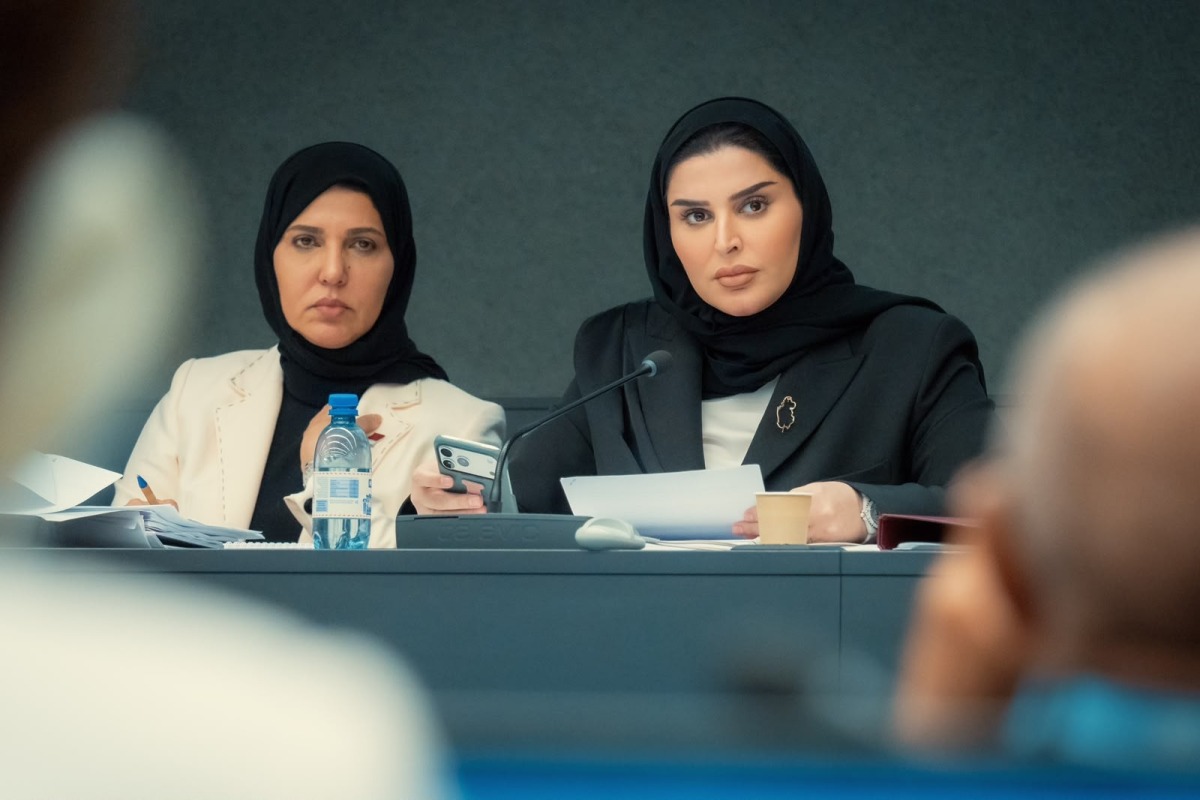
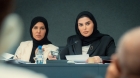
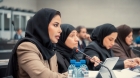
Geneva: Minister of State for International Cooperation HE Maryam bint Ali bin Nasser Al Misnad participated in the interactive dialogue with the United Nations Committee on the Rights of Persons with Disabilities, being held in Geneva on Aug. 12 and 13, to discuss the combined periodic reports from the second to the fourth of the State of Qatar, submitted pursuant to Article 35 of the Convention on the Rights of Persons with Disabilities.
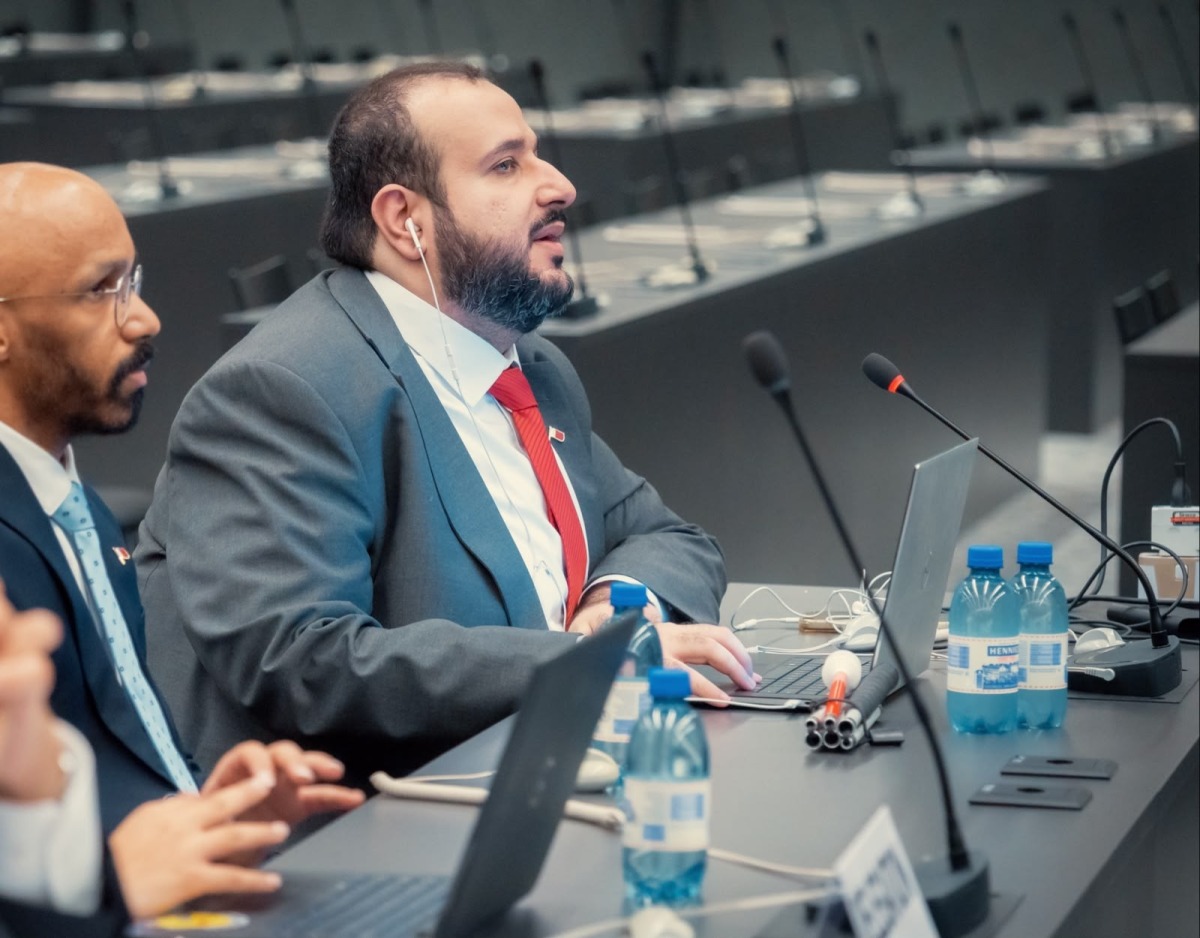
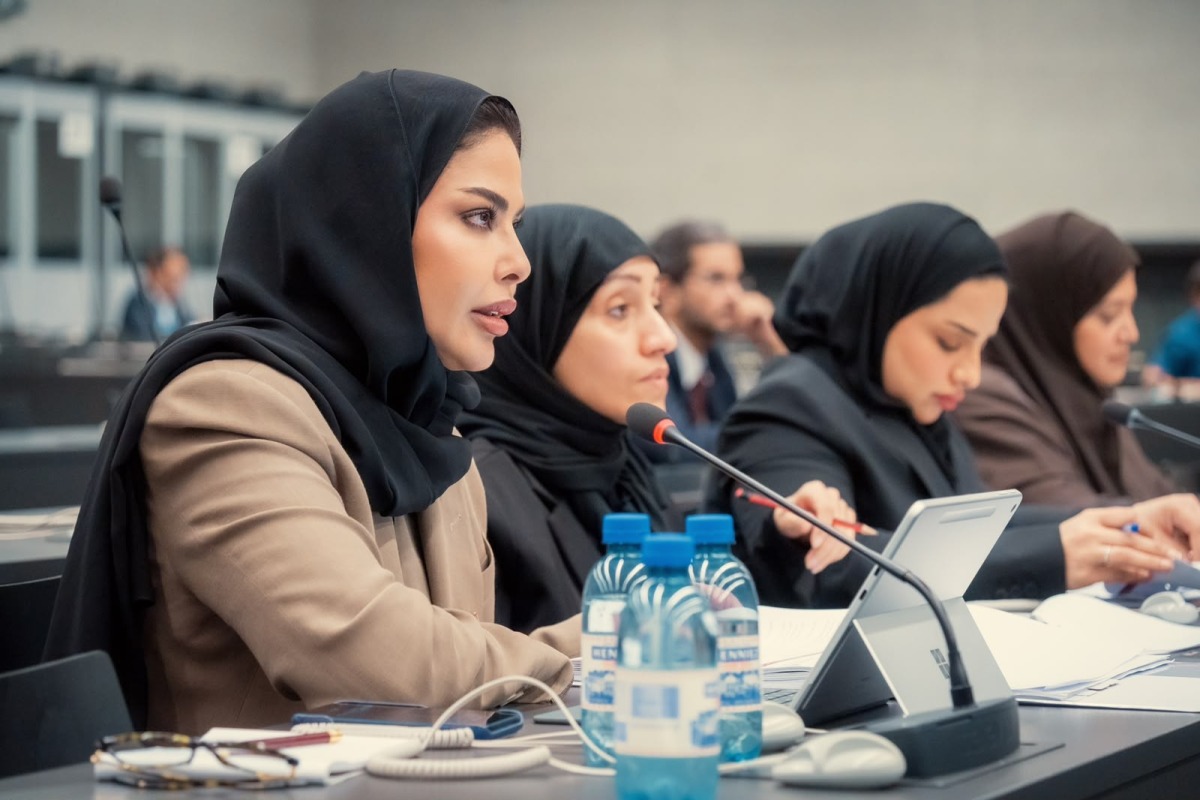
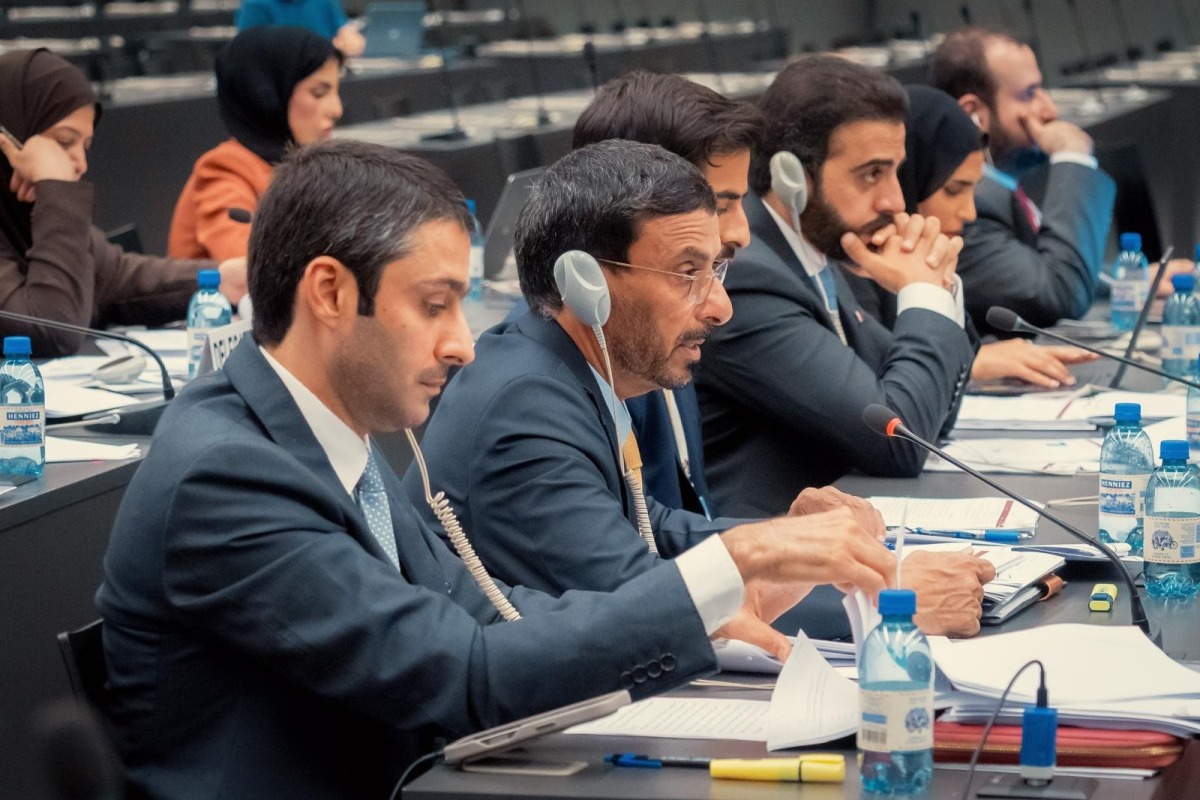
A national delegation also participated in the discussion of the report, comprising representatives from the Ministry of Foreign Affairs, the Ministry of Interior, the Ministry of Public Health, the Ministry of Education and Higher Education, the Ministry of Social Development and Family, the Supreme Judiciary Council, and the Ministry of Labor, in addition to a representative of persons with disabilities, reflecting the participatory nature of the discussion and the diversity of national entities concerned with implementing the provisions of the Convention.
The discussion of the State of Qatar covered a wide range of issues related to the implementation of the Convention on the Rights of Persons with Disabilities, including legislative and institutional developments and the policies and programs adopted by the State, as well as measures taken to promote equality and nondiscrimination, accessibility, education, health, employment, social protection, and participation in public life.
In her speech during the dialogue, HE the Minister of State for International Cooperation affirmed that the State of Qatar views this discussion as an opportunity for assessment, learning, and exchange of experiences, reviewing the progress achieved in the national system, while listening to the Committee's observations and recommendations in a manner that contributes to the continued development of national policies, legislation and practices.
She said that Qatar's journey in the field of the rights of persons with disabilities has moved from care to rights, from providing services to removing barriers, from protection to empowerment, and from viewing persons with disabilities as beneficiaries to recognizing them as active partners in society and development.
In this context, she noted that true empowerment does not only mean providing a service, but removing a barrier, and it does not only mean opening a door, but ensuring that this door is accessible to everyone.
Her Excellency explained that persons with disabilities are not on the margins of development, but at its heart, and they are not recipients of it, but partners in shaping it.
Her Excellency highlighted that among the most significant legislative developments in the State of Qatar was the issuance of Law No. (22) of 2025 on the Rights of Persons with Disabilities, which enshrines the principles of equality and nondiscrimination, considers the denial of reasonable accommodation a form of discrimination, guarantees accessibility, and the right to inclusive education, health, rehabilitation, employment, housing and social protection. It also promotes autonomy, independent living and full and effective participation in society, and provides protection from neglect, abuse, exploitation and violence.
She noted that promoting the rights of persons with disabilities constitutes one of the main pillars of Qatar's approach to human rights and is based on a system of national strategies and policies, including the National Strategy of the Ministry of Social Development and Family (2025-2030) and the Third National Health Strategy (2024-2030).
She added that Qatar is moving toward adopting the National Strategy for Persons with Disabilities, which will provide an integrated national framework for coordinating efforts, promoting empowerment, developing institutional capacities, and measuring progress and the level of implementation.
Her Excellency also highlighted Qatar's contributions at the international level, including supporting initiatives related to autism and deaf blindness, including sponsoring and supporting the draft resolution adopted by the United Nations General Assembly on June 16, 2025, declaring June 27 the International Day for Deaf blindness, participating in the launch of the Global Autism Alliance, and preparing to host the Fourth Global Disability Summit in Doha in 2028, reflecting its commitment to promoting international cooperation and building more inclusive societies that empower persons with disabilities.
Her Excellency renewed her affirmation that the State of Qatar places the promotion, protection and realization of human rights at the forefront of its priorities, explaining that its cooperation with United Nations human rights bodies complements its national and international efforts.
She also affirmed Qatar's belief that international cooperation is an essential means of achieving sustainable progress in the field of human rights, and of continuing to work with the Committee, the international community, non-governmental organizations and all other stakeholders in a spirit of international cooperation and solidarity, contributing to addressing challenges, promoting the rights of persons with disabilities, and ensuring that no one is left behind.