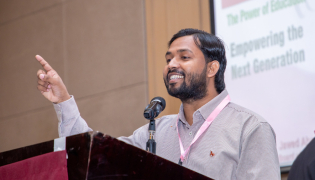
From left: Dr Al Obaid Ahmed Al Obaid, Dr Ali bin Futais Al Marri and Dr Musa Braizat at the meeting.
DOHA: Head of the human rights watchdog in Qatar has called on regional human rights organisations to contribute to the “new developments” taking place in the Arab world and ensure that the Arab countries do not retract from what they have achieved so far.
Dr Ali bin Futais Al Marri, Chairman of the National Human Rights Committee ( NHRC) and President of the Arab Network for Human Rights Institutions, was addressing the opening session of conference on “strengthening the capacity of national institutions for human rights in the Arab region” which began at The Ritz-Carlton Doha yesterday.
In a veiled reference to the democratic awakening in the Arab world which resulted in the Arab Spring, Al Marri said: “The current developments in the Arab countries are motivating us to organise this event. These changes have raised hopes about our role as the Arab network to consolidate the achievements and prevent a backtrack.
“Our role is to protect human rights honestly, honourably and according to international standards and conventions,” he added.
He said the aim of the conference was to support national human rights institutions to build their capacity and address challenges.
Al Marri, who also heads the ICC’s (International Coordination Committee for national human rights institutions) sub-committee on accreditation, said that the ICC had received more than 30 applications for accreditation from national human rights institutions.
Thirteen human rights institutions in the Arab world have already been accredited to the ICC. The countries that got A status include Qatar, Palestine, Egypt, Jordan, Morocco and Mauritania. Libya, Oman and Bahrain have been granted B status, while several newly formed organisations in the region are in the accreditation process, he said, addressing another session of the conference yesterday.
“It is important for human rights organisations to work with the government, although they have an advisory role. Qatar initially was granted a B status accreditation by the ICC but we changed the status by forcing the government to change some regulations,” he said.
Dr Al Obaid Ahmed Al Obaid from the Office of the High Commissioner for Human Rights at the UN and Dr Musa Braizat, Chairman of the International Coordinating Committee of National Institutions for the Promotion and Protection of Human Rights, also addressed the opening session.
The Peninsula