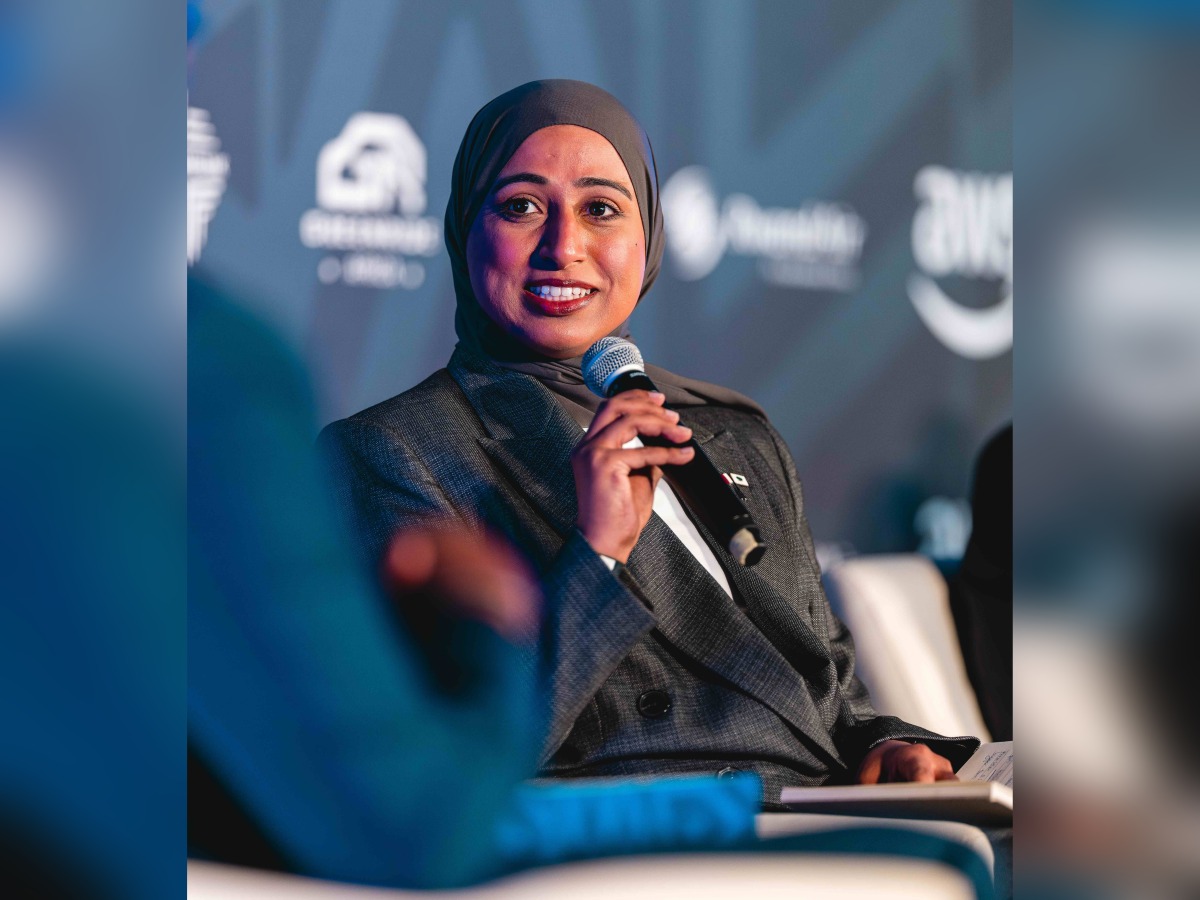
Director of Sports Strategy at Qatar Foundation, Safia Al-Naimi
Doha, Qatar: The new multi-year collaboration between Qatar Foundation(QF) and the Basketball Africa League (BAL) will expand efforts to harness the power of sport to advance education, leadership, inclusion, and community development across Africa.
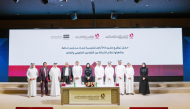
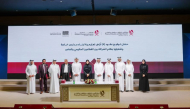
The collaboration unveiled recently as the 2026 Basketball Africa League season tipped off in South Africa, seeks to make basketball more accessible to African communities while using sport as a catalyst for social progress. Facilitated by Qatar Sports Investments, the agreement makes QF the first official community partner of the BAL.
Speaking about the collaboration, Director of Sports Strategy at Qatar Foundation, Safia Al-Naimi told The Peninsula that the partnership reflects a shared vision of sport as a tool for long-term development.
“For QF, this partnership was never only about basketball; it was about what BAL is building around the game,” she said. “We see sport as a powerful entry point into participation, leadership, education, and lifelong development. It creates environments where young people learn to lead, collaborate, and grow with confidence.”
Al-Naimi said that what distinguished the BAL was its broader impact beyond competition.
“What stood out to us about BAL is that it is not just a league, it is an ecosystem,” she said. “It connects athletes, coaches, mentors, and communities across the continent in a way that is ambitious, but also deeply rooted in local context.”
She added that Africa already possesses a strong sporting culture and that initiatives such as the BAL help transform existing enthusiasm into sustainable opportunities.
“In many contexts across Africa, the connection to sport is already strong,” she said.
“The role of initiatives like BAL is not to introduce something new, but to build on that existing energy and structure it in a way that creates longer-term opportunity.”
According to Al-Naimi, the real value of sport lies in its ability to support personal growth and community development. She emphasised that when sport is designed intentionally, it becomes a pathway for young people to develop essential life skills.
“Through sport, young people learn how to work as part of a team, take on responsibility, build confidence, and develop leadership skills,” she said. “It gives them a sense of belonging and a space where they can see their own potential more clearly.”
However, she stressed that meaningful impact requires long-term systems rather than one-off activities.
“Real impact comes when sport is not delivered as a one-off activity, but as part of a broader system,” Al-Naimi said. “That is when you start to see sustained outcomes, where individuals move from participation into leadership roles as coaches, mentors, and community figures.”
A key component of the partnership is its focus on empowering women through initiatives such as BAL4Her Power Hour, which provides mentorship, networking opportunities, and professional exposure for women pursuing careers in sport.
Al-Naimi described BAL4Her as one of the major factors behind Qatar Foundation’s decision to collaborate with the league.
“BAL4Her was a major part of our decision to engage because it moves beyond participation into building real pathways into the sports ecosystem,” she said. “It creates exposure, mentorship, and access to networks that are often difficult to navigate, especially at early career stages.”
She highlighted the transformation experienced by many participants during the programme.
“One of the most powerful moments is seeing the shift in the mentees themselves,” Al-Naimi said. “At the beginning, many are still finding their voice and trying to understand the space. Then you see a turning point, they begin to engage differently, to contribute, and to see themselves as part of the industry rather than outside it.”
The partnership also aligns closely with QF’s broader mission of education, inclusion, and community development, she said.
“QF was built through partnerships,” Al-Naimi said. “In education, research, innovation, and community development, our model has always been to bring the right people and institutions together, combine different strengths, and build something more durable than any one organisation could create alone.”
She believes the collaboration combines BAL’s strong grassroots presence across Africa with QF’s expertise in education, inclusion, and sport for development.
“BAL brings reach, credibility, and deep community connection across the continent. QF brings experience in education, inclusion, systems-building, and sport for development,” she said. “Together, we can build on something that already works instead of starting from scratch.”
Beyond basketball, Al-Naimi sees sport as a powerful platform for leadership development, cultural exchange, and international cooperation.
“Sport is a powerful instrument for development, diplomacy, and peace building,” she said. “When structured intentionally, it strengthens community cohesion and creates constructive engagement, particularly in contexts where opportunity is limited.”