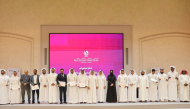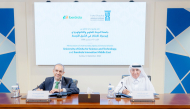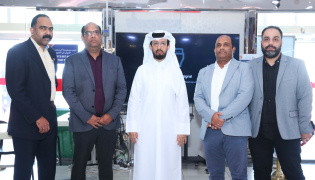
Doha: Qatar is set to host five-day 11th session of the Conference of the States Parties to the United Nations Convention against Corruption (UNCAC) which will begin today with over 2500 participants from across the globe.
The hosting of global conference stems from Qatar’s firm belief in the importance of fighting corruption within the agendas of the United Nations and international organisations and in line with its longstanding commitment to supporting global efforts to prevent and combat corruption.
The conference, from December 15 to 19, is the largest and most significant global gathering dedicated to combating corruption and promoting integrity and transparency.
It brings together all 192 States Parties to the Convention, in addition to over 2,500 participants representing governments, regional and international organisations, anti-corruption experts, as well as representatives of the private sector, civil society, and youth.
The UNCAC is the only legally binding global instrument for combating corruption. The Convention’s far-reaching approach and the mandatory nature of many of its provisions make it a unique instrument for addressing a global challenge.
The Convention covers five main areas, namely preventive measures, criminalisation and law enforcement, international cooperation, asset recovery, and technical assistance and information exchange. It also addresses various forms of corruption, including bribery, trading in influence, abuse of functions, and corruption within the private sector.
Qatar was chosen as the venue for the tenth session of the conference, which was held under the theme: “20 Years of the United Nations Convention against Corruption: Towards a United World against Corruption,” in Atlanta, USA, in December 2023.
According to the Administrative Control and Transparency Authority (ACTA) of Qatar, the sponsor and organizer of the conference, the program will focus on discussing a range of issues related to combating corruption in member states and the legal procedures adopted by competent authorities.
President of the Administrative Control and Transparency Authority H E Hamad bin Nasser Al Misnad, explained that Qatar’s hosting of this conference embodies its deep commitment to strengthening multilateral action and consolidating good governance in line with Qatar National Vision 2030.
Reflecting Qatar’s commitment to self-renewal, the adoption of reform measures, and support for anti-corruption efforts, ACTA preempted the convening of the international conference by launching its national strategy for integrity, transparency, and anti-corruption 2025-2030.
In his opening remarks, H E Al Misnad emphasised that the strategy stems from a forward-looking national vision and a firm conviction that integrity is not an administrative luxury but a national imperative, a developmental requirement, and an ethical foundation that reinforces citizen and resident confidence in state institutions and fosters a culture of responsible work.
The strategy includes a comprehensive action plan encompassing 78 projects to be implemented by 16 main entities and 35 supporting entities, under the superintendence and follow-up of ACTA.