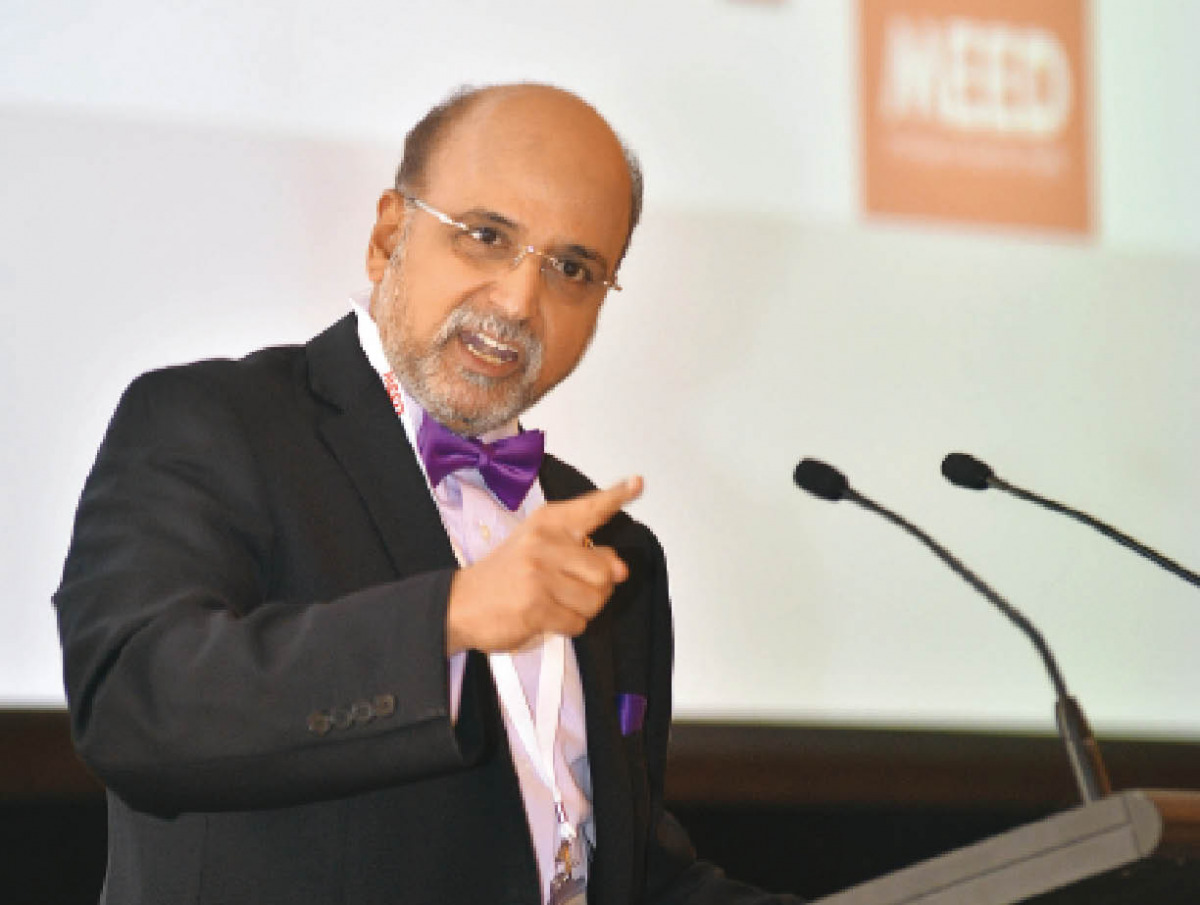
DOHA: Doha Bank CEO Dr R Seetharaman has stressed the need for Qatar and GCC developing a strong infrastructure bond market for project financing.
Participating in a panel discussion on the opening day of MEED’s “Qatar Project Conference” here yesterday Dr Seetharaman said : “There is a need for development of GCC bond market to bring more investors as an additional source of project financing. GCC infrastructure bonds need to be issued with sovereign guarantee to stimulate project financing. We also need to bring long term investors such as pension funds, insurance and mutual funds in GCC Project market.”
Project entities can issue bonds during the construction phase, and banks can refinance the bonds upon projects getting operational. On the whole Qatar and GCC should develop infrastructure bond market for project finance, he added.
Elaborating on key challenges faced in Projects and Contract financing in GCC , Dr Seetharaman said the release of payments to contractors are sometimes beyond the agreed time even against consultant certified invoices. This in turn affects payment to subcontractors and impacts project profitability. There is reluctance to assign proceeds or give irrevocable assignment letters to financing banks. Absent this, banks have no certainty on project cash receipts to appropriate for settlements.
There may be instances where main contractors have called on performance and advance payment guarantee even where projects have been substantially completed. Banks are a partner in the projects, in certain instances they are the last to know of any concerns and disputes among the owner and contractor. Despite having an assignment of proceeds, payments are sometimes made directly to subcontractors, without Bank’s previous knowledge and approval. The above challenges have resulted in various disputes such as variation orders, extensions or variations of time, changes in design; resulting in cost escalation, time variation, bills partially certified, bills certified and not paid and late collection of payments.
He said disputes tend to have an adverse effect on project efficiency and timeliness of project completion, with no forum to settle differences which tend to eventually build up to detrimental issues. Banks would like to have a framework to address project financing/ contract financing challenges to improve their participation in this segment.The Peninsula