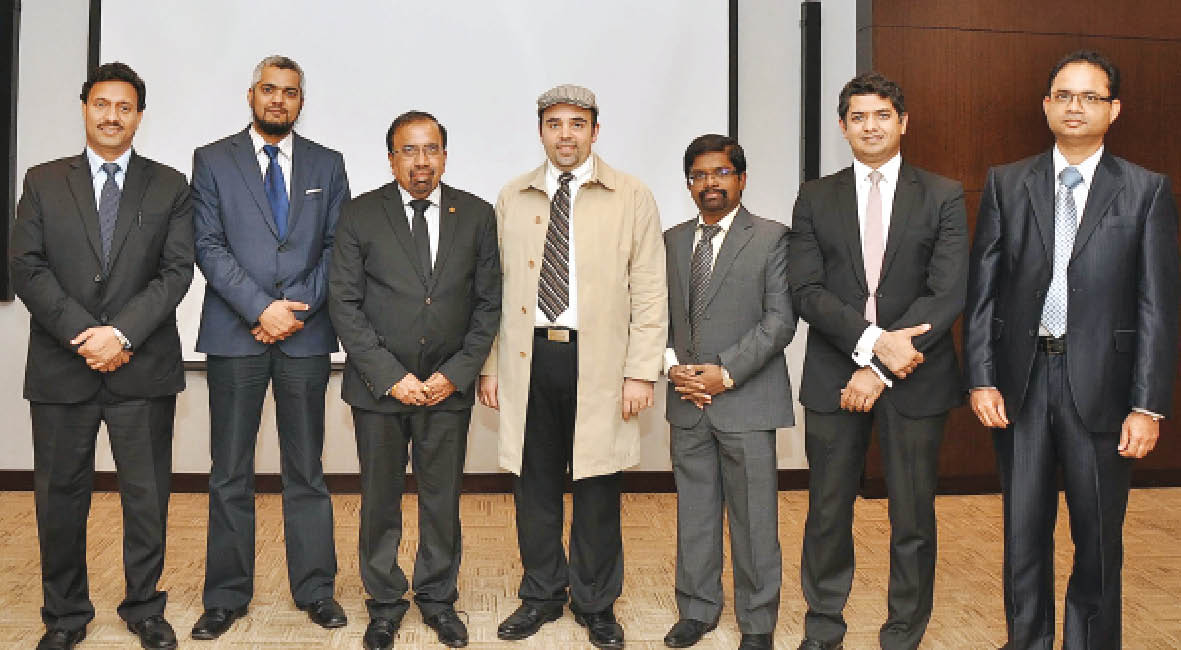
DOHA: The Institute of Internal Auditors (IIA) Qatar recently held a seminar on “Conducting effective fraud investigations” at Oryx Rotana Hotel. The trainer Iyad Mourtada is an international speaker, trainer and consultant with a diverse background in auditing, risk and fraud examination. Iyad is the Managing Director of OpenThinking, a leading business training company in Dubai
“Iyad shared best practices of fraud investigation in the Middle East in an innovative and interactive way using case studies and videos. As per statistics, about 58% of fraud cases results in no recovery. The right methodologies of fraud examination were enlightened as solution” said Sundaresan Rajeswar IIA Board member who coordinated the event.
The session started with dissecting definition of fraud. The Association of Certified Fraud Examiners defines as; “The use of one’s occupation for personal enrichment through the deliberate misuse or misapplication of the employing organization’s resources or assets”
Fraud falls mainly into three categories: asset misappropriation, corruption and financial statement fraud. Asset misappropriation involving theft, misuse and larceny of cash and inventory are the most common type at almost 85%. Corruption consists of conflict of interest, bribery, illegal gratuities and economic extortion. The financial statement frauds though lower in numbers at 9% but the median loss per incident is $1 million.
Iyad shared interesting statistics about impact of collusion in fraud; “Average loss on fraud is $80,000 when a single person is involved whereas it gets significantly increased to $300,000/ with collusion of two or more people”.
“It is very important for fraud examiners to have the right mindset when they are planning the investigation, collecting and analysing the evidence and interviewing the witnesses” Iyad emphasised.
Fraud examination comprises of documentary evidence, interviewing witnesses, writing investigation reports, testifying in court and assisting in prevention. “A good fraud examiner should possess knowledge and skills of accountant, lawyer, criminologist and investigator which is of tall order and tough to find” stated Iyad
Obtaining evidence include covert operations, surveillance, using informants, subpoenas, search warrants and voluntary consent. However local laws of respective countries should be verified for permissibility.
The Peninsula