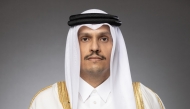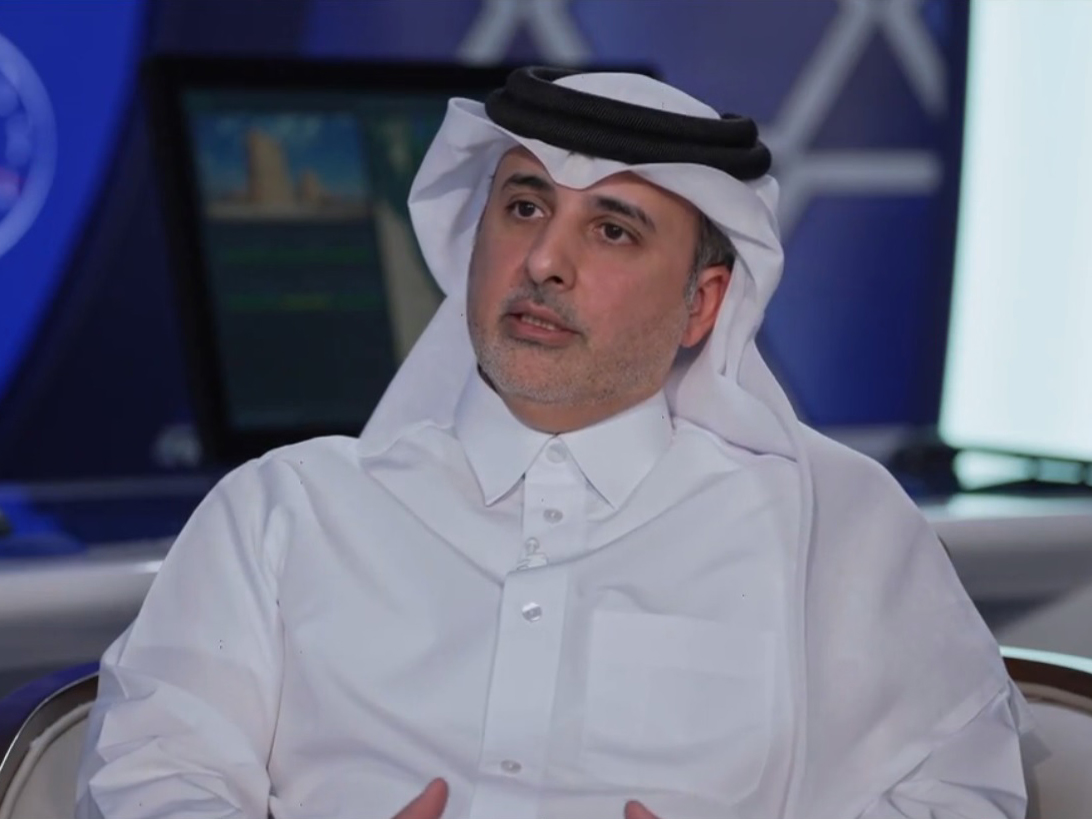
Minister of Environment and Climate Change H E Dr. Abdullah bin Abdulaziz bin Turki Al Subaie
Doha, Qatar: Minister of Environment and Climate Change H E Dr. Abdullah bin Abdulaziz bin Turki Al Subaie has reassured the public that the country’s environmental condition remains stable, emphasizing that there are no indicators or phenomena that warrant concern.
In an interview with Qatar Television yesterday, the Minister emphasised that comprehensive and integrated environmental monitoring systems are in place nationwide, continuously monitoring air quality, water conditions, radiation levels, and potential oil spills.
He stated that Qatar operates a nationwide network of monitoring stations that transmit real-time data directly to a central operations room. “This network includes 48 air quality monitoring stations, 20 roadside stations, and additional stations located in territorial waters to monitor marine conditions.”
Dr. Al Subaie highlighted that the Ministry employs a holistic and integrated approach to environmental management. “These systems monitor a wide range of environmental indicators, with data being analysed and evaluated by specialised teams to support timely decision-making and necessary actions whenever required,” said the Minister.
He said that among the key systems currently in operation are those dedicated to monitoring air quality, water quality, radiation levels, and oil spill detection. The Minister noted that these systems rely on advanced technologies to provide accurate and reliable data, ensuring that any abnormal indicators are swiftly identified and addressed.
On radiation monitoring, Dr. Al Subaie described it as a critical area of focus. He explained that the Ministry operates an independent radiation monitoring system that tracks radiation levels across various locations, including both land and territorial waters.
“This system provides precise data and is supported by a comprehensive baseline radiation map of the country, developed before any recent regional developments, which serves as a reference for normal radiation levels,” said the Minister.
He said that any deviations from these baseline levels are immediately detected through monitoring stations, with data transmitted in real time to the operations room.
“A dedicated radiation analysis unit reviews the data, and in the event of any unusual changes, an early warning system is activated. This triggers further investigation into potential sources, whether localized or transboundary, followed by coordination with relevant authorities and the Civil Defense Council to implement preventive measures,” said Dr. Al Subaie.
Addressing concerns about potential regional nuclear incidents, the Minister explained that Qatar maintains data-sharing mechanisms with GCC countries regarding radiation levels. “In addition, the Ministry collaborates closely with the International Atomic Energy Agency, which provides immediate alerts in the event of any nuclear or radiological incidents in the region.”
He further noted the Ministry utilizes advanced simulation models to assess potential impacts. These models incorporate key variables such as the location of the incident, weather conditions, wind speed and direction, and temperature.
“The simulations can project expected radiation levels over the following 48 hours, enabling authorities to take informed preventive actions in coordination with relevant entities,” said the Minister. Dr. Al Subaie also underscored the Ministry’s commitment to transparency in sharing environmental data. He pointed to the air quality platform available on the Ministry’s website, which provides real-time, color-coded indicators reflecting current air quality levels based on data collected from monitoring stations.
“These indicators clearly show whether conditions are normal or exceed acceptable limits. The Ministry continues to enhance its monitoring capabilities by expanding networks, increasing the number of stations, and adopting the latest technologies,” said the Minister.