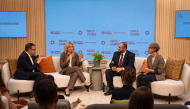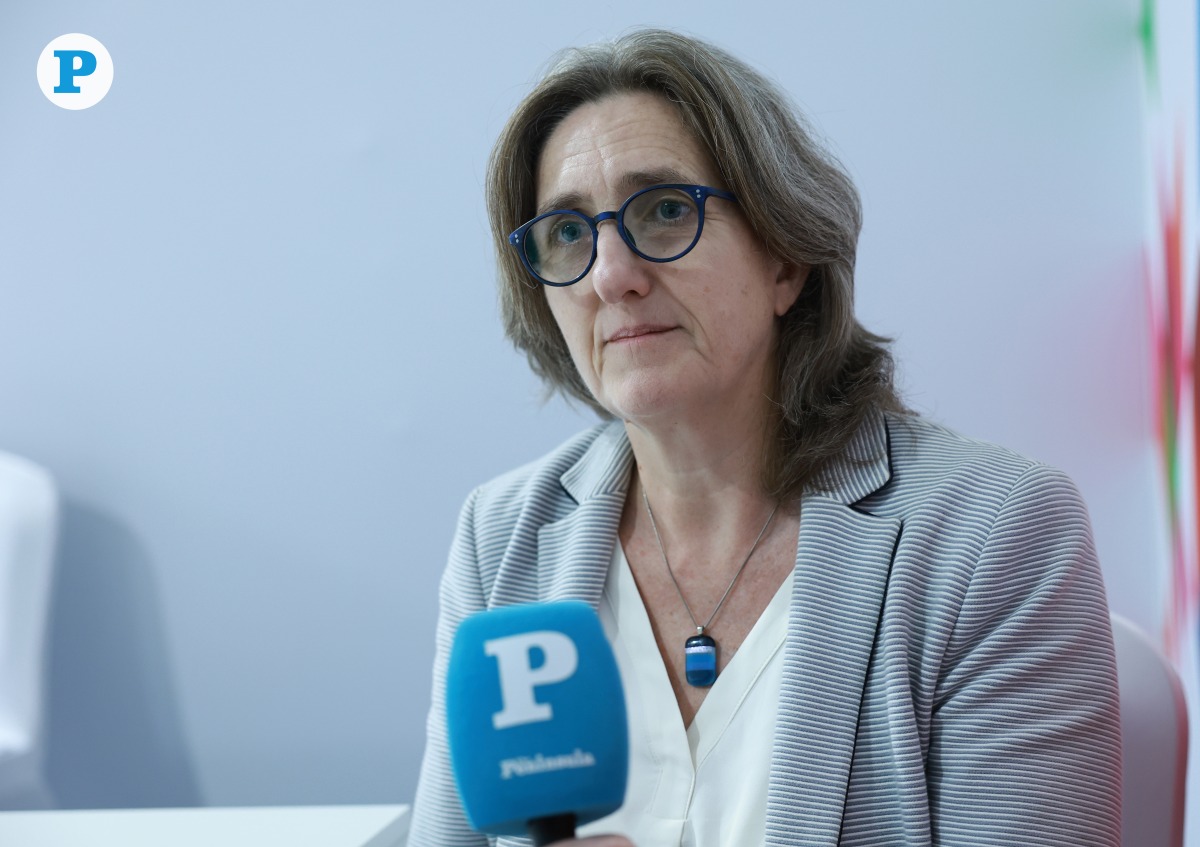
Sarah Lister, Global Director for Governance, Rule of Law and Peacebuilding at UNDP
DOHA: As global leaders gather in Doha for the Eleventh Session of the Conference of the States Parties to the United Nations Convention against Corruption (COSP11), the United Nations Development Programme (UNDP) has stressed the growing urgency of translating international commitments into tangible results on the ground.
Speaking to The Peninsula in an interview, Sarah Lister, Global Director for Governance, Rule of Law and Peacebuilding at UNDP, who also heads the delegation, underscored that the UN Convention against Corruption (UNCAC) remains “the only truly global, legally binding framework against corruption,” with relevance that has only increased in today’s complex global landscape.
“Corruption undermines trust in institutions, weakens economies, and deepens inequality, especially at a time when countries are managing multiple crises, from climate change to conflict to rapid digitalisation,” Lister said. She noted that COSP11 is significant because it shifts the focus from commitments on paper to implementation in practice, including how countries strengthen institutions, prevent corruption, and cooperate across borders.
Lister remarked that Qatar’s hosting of the conference highlights the importance of global dialogue and shared responsibility in addressing what is a fundamentally transnational challenge.
She also pointed to the strong high-level participation in Doha as a reaffirmation of multilateralism at a time when it faces increasing pressure.
Qatar also hosted the third COSP in 2009, which approved the terms of reference for the UNCAC review mechanism, a process that COSP11 now seeks to strengthen further in its next phase.
Explaining why corruption is a core concern for UNDP, Lister cited estimates that more than $2 trillion is stolen, laundered, or hidden each year globally, draining resources needed for public services and sustainable development.
“Weak governance systems lead to a lack of financial integrity, which in turn drives mistrust, inequality, and undermines development financing,” she said, noting that an estimated $4 trillion annually is needed to address the global development financing gap.
For ordinary people, she said, corruption often translates into poorer services, fewer opportunities, and diminished trust in public institutions, disproportionately affecting the most vulnerable.
“That is why anti-corruption is not just a governance issue, it is a development issue, a social justice issue, and ultimately a human development issue,” Lister emphasised, outlining that young people in particular increasingly view corruption as a direct threat to their futures.
Lister accentuated that UNDP’s role in helping countries turn UNCAC commitments into real change, noting that the organisation works in more than 130 countries to strengthen public integrity systems, improve transparency in budgeting and service delivery, and use digital tools to reduce corruption risks.
UNDP also supports citizen engagement, parliamentary oversight, and a strong focus on prevention.
She highlighted UNDP’s growing work on data and measurement, including a global dashboard analysing millions of public procurement contracts to identify corruption risks. Preliminary findings show stagnant integrity trends in many countries, underscoring the need for better data and domestic reforms.