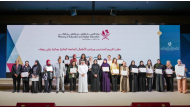
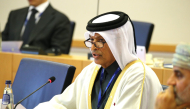
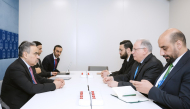
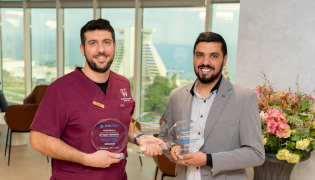
Doha, Qatar: Sidra Medicine, a member of Qatar Foundation, yesterday opened the second edition of the MENA Microbiome Conference 2026 in Doha, bringing together leading researchers, physicians, scientists, industry experts, partners, and sponsors to explore the latest advances in microbiome science and their potential applications in healthcare.
Held under the theme ‘From Biomarkers Discovery to Microbiota-based Therapeutics,’ the first day focused on the role of the microbiome in women’s and children’s health, precision nutrition, and innovative therapeutic strategies, highlighting the potential of microbiome research to improve disease prevention and treatment.
Conference Co-Chairs, Dr. Souhaila Al Khodor and Dr. Annalisa Terranega presented research on the role of microbial genomics in maternal and child health and precision nutrition. Their key sessions highlighted how the maternal microbiome contributes to an infant’s microbial development during the first 1,000 days of life as well as the role of breast milk microbiome in infant health and the impact of pregnancy complications on early interactions between the immune system and microbiome.
Other sessions focused on advances in paediatric microbiome research, with Dr. Nikhil Pai addressing the clinical applications, safety considerations, and infrastructure needed for paediatric donor stool banks, while Prof. Mamoun Elawad from Sidra Medicine discussed the role of nutrition and the gut microbiome in paediatric organ transplantation and its potential impact on patient outcomes.
Director of the Reproductive and Perinatal Health Translational Research Programme and Principal Investigator at Sidra Medicine, Dr. Souhaila Al Khodor, said, “By establishing a collection of samples from carefully screened healthy paediatric donors, QMicrobe will provide researchers with a resource to investigate microorganisms and microbial functions with potential therapeutic value. The initiative could support future research into metabolic disorders, inflammatory and autoimmune diseases, infections, and certain neurodevelopmental conditions.”
QMicrobe will be done in collaboration with Dr. Majdi Osman, Physician Scientist from Cambridge University in the United Kingdom. Dr. Osman’s session at MENA Microbiome addressed advances in fecal microbiota transplantation and emerging microbial therapies. He also discussed current clinical applications, ongoing research, and the opportunities and challenges involved in developing microbiome-based treatments.