50 student projects in AI, sustainability, and science reflect the role of education in preparing an innovative, future-ready generation
Published: 19 May 2026 - 02:34 pm | Last Updated: 19 May 2026 - 09:58 pm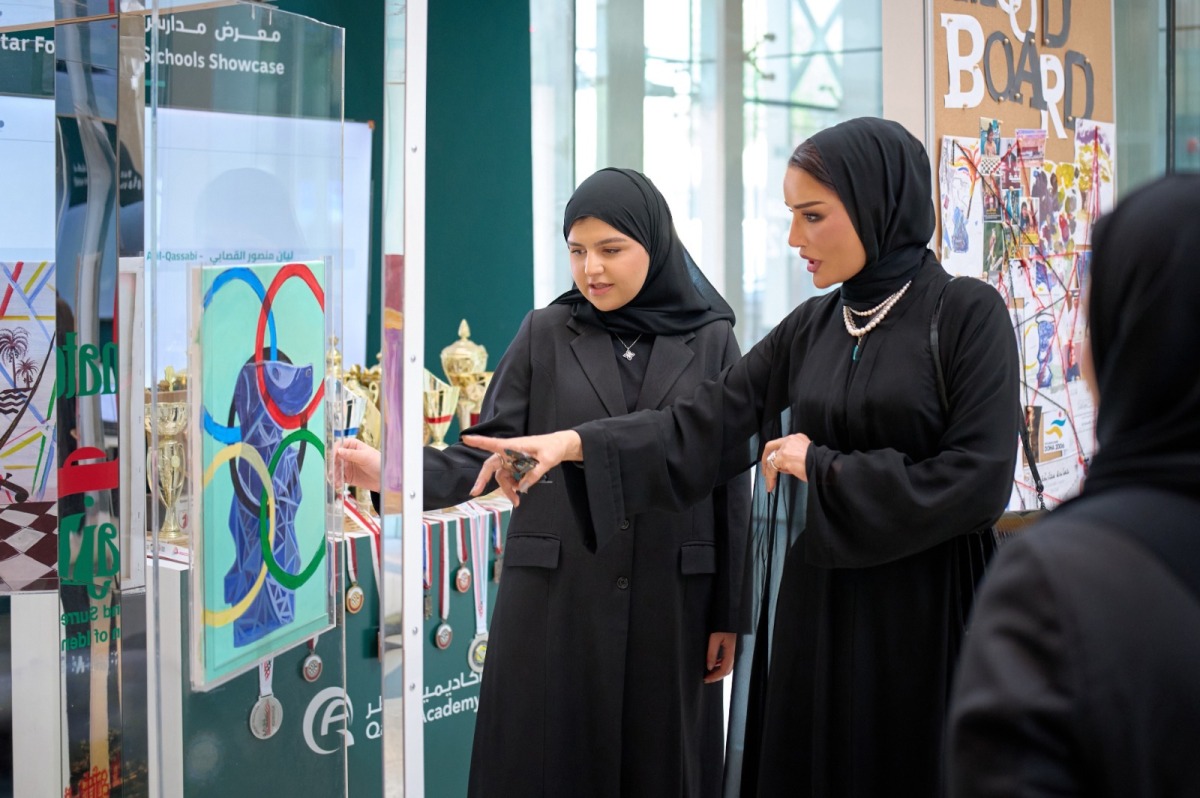
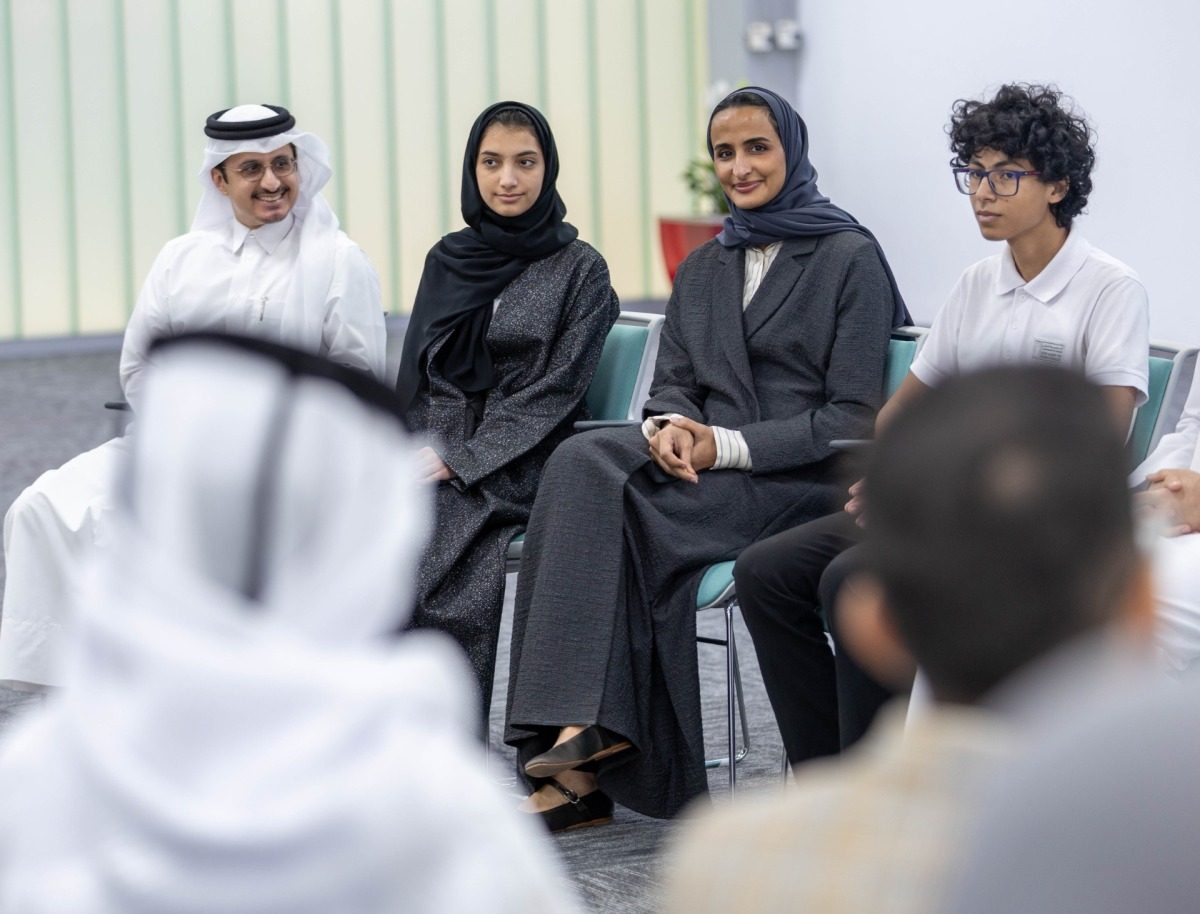
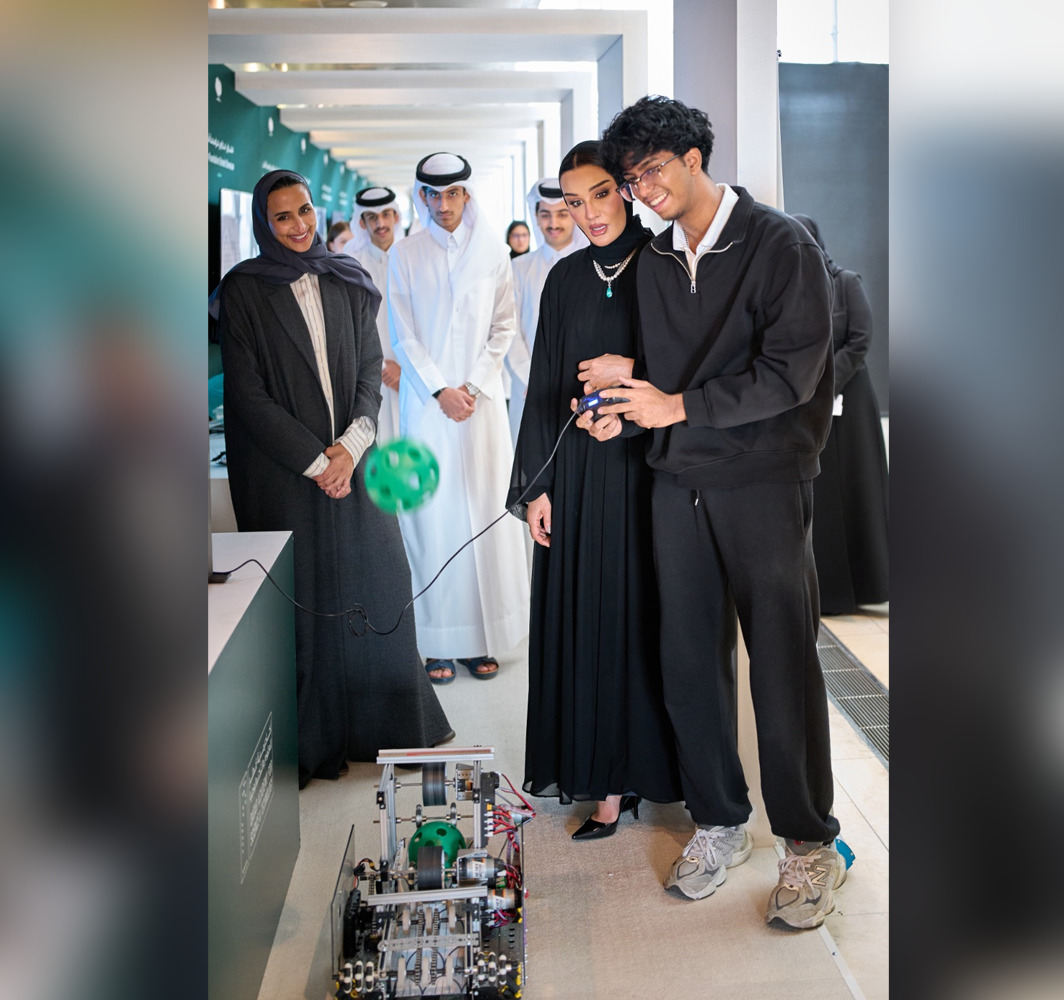
Doha, Qatar: Her Highness Sheikha Moza bint Nasser, Chairperson of Qatar Foundation, attended the Qatar Foundation Schools Showcase at Qatar Science & Technology Park, where students presented innovative projects and ideas spanning Artificial Intelligence, sustainability, science, technology, the arts, and interdisciplinary research.
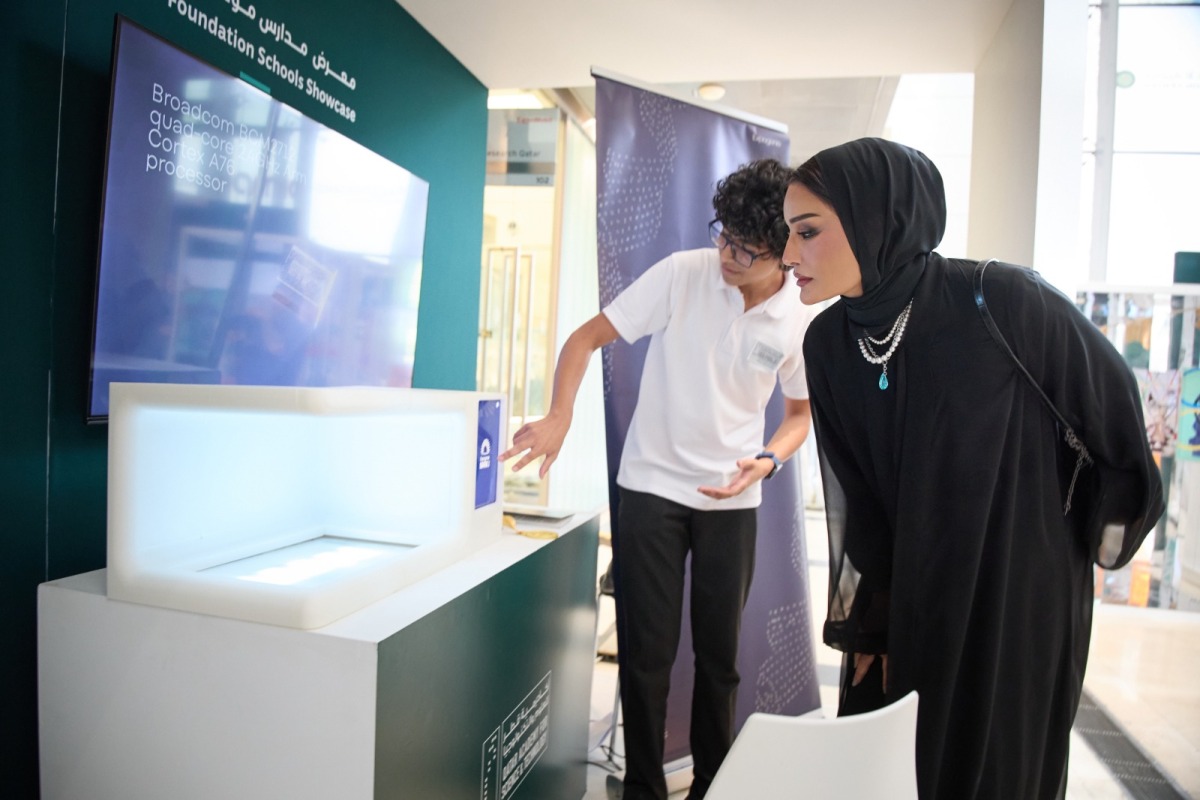
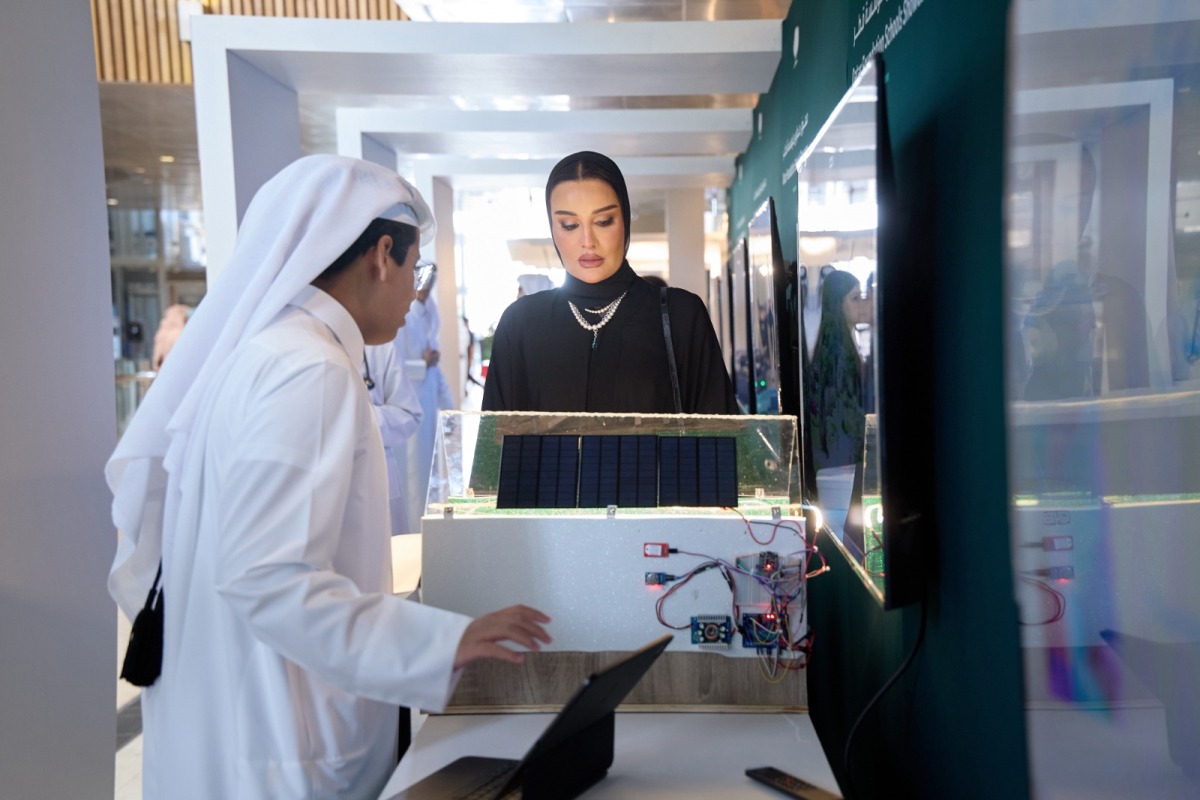
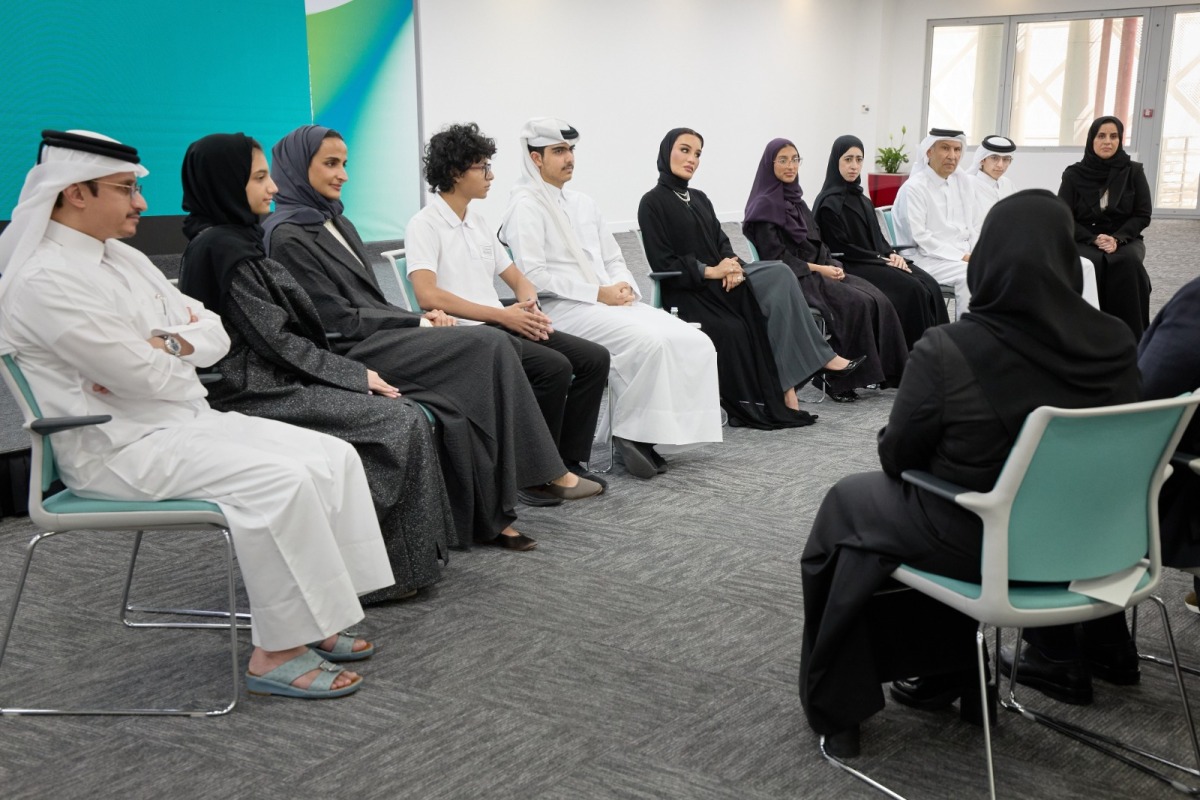
Her Excellency Sheikha Hind bint Hamad Al Thani, Vice Chairperson of Qatar Foundation, also attended the showcase – organized by Qatar Foundation’s (QF) Pre-University Education – which reflects QF’s commitment to fostering innovation-driven learning and connecting students with real-world environments where they can present their ideas and engage with industry experts, researchers, and QF alumni.
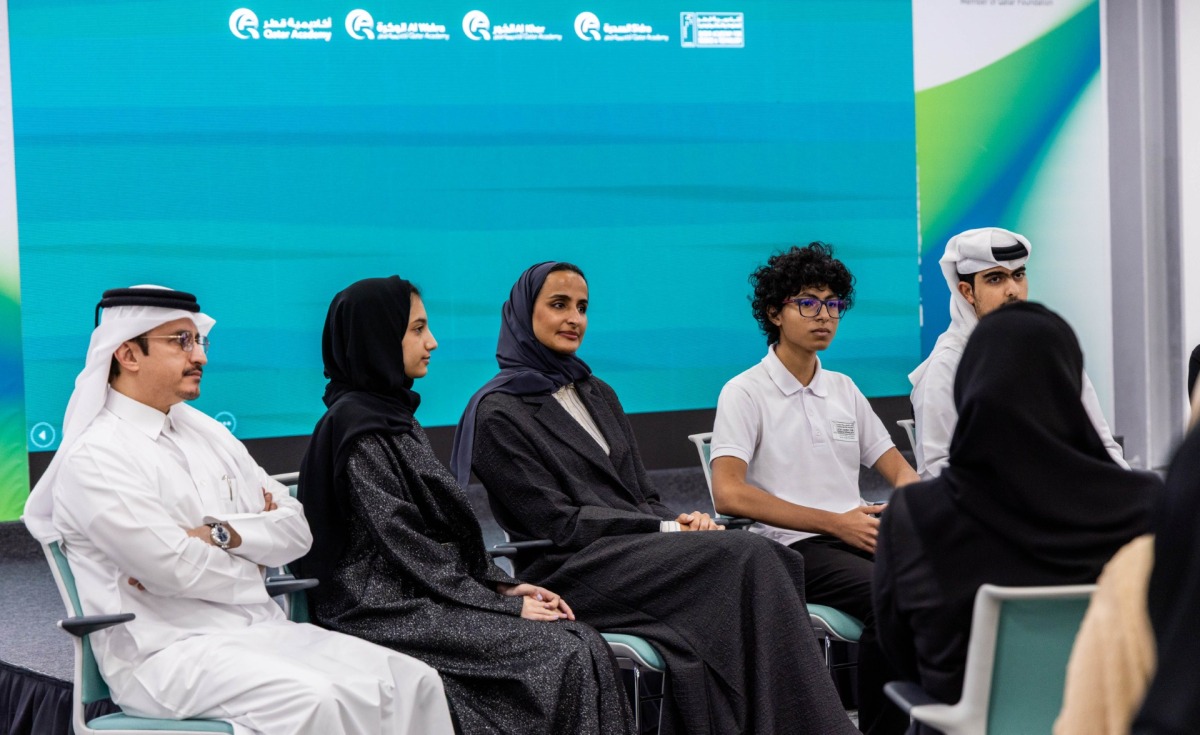
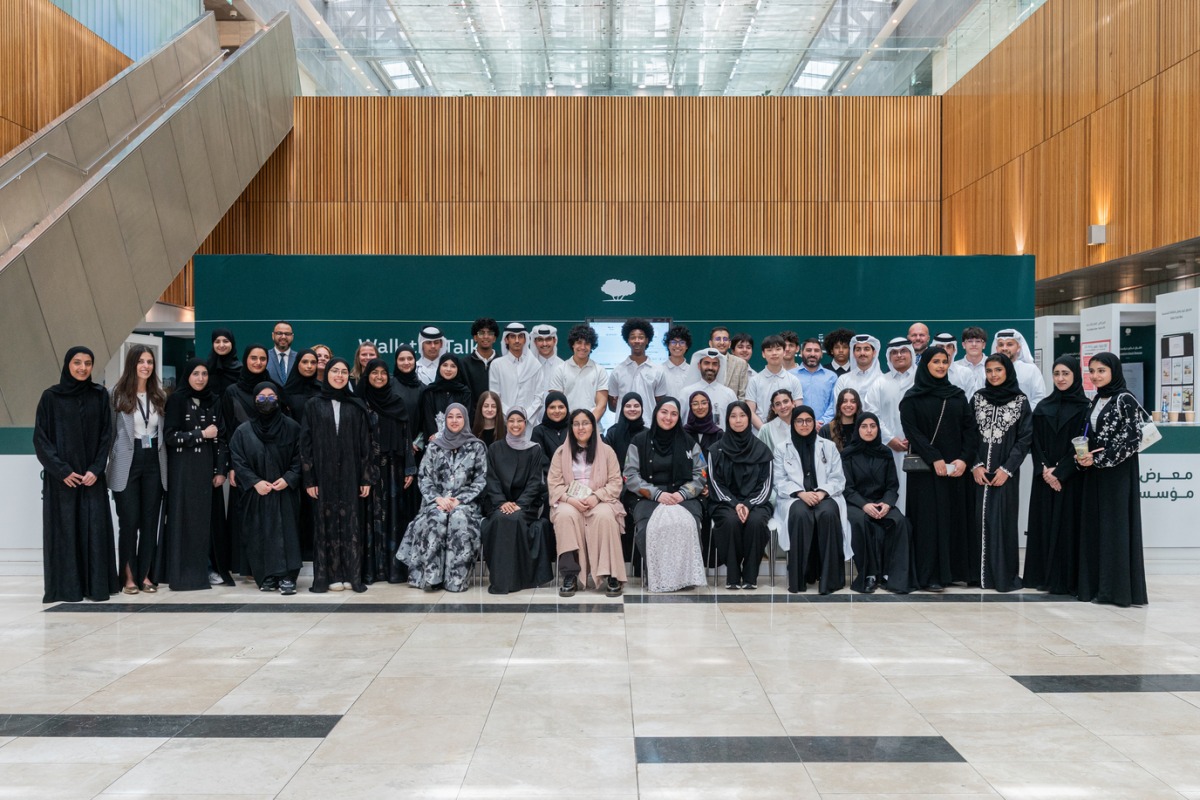
The showcase served as an interactive platform bringing students from QF schools together with partners from the academic and industry sectors, while providing them with the opportunity to present their projects to the wider community, reflecting the role of education in preparing a generation capable of transforming ideas into solutions and future-focused innovations.
Abeer Al Khalifa, President of QF’s Pre-University Education, said: “Showcases such as this demonstrate that talent development does not begin at university or in the workplace, it starts much earlier, in our schools. When young people are given opportunities to apply their learning, engage with authentic challenges, and communicate their ideas with confidence, they begin to see themselves as contributors to Qatar’s future from an early age.”
She explained that creating platforms of this kind helps to position K–12 education as a key part of Qatar’s long-term talent development journey, saying: “By connecting students with researchers, industry partners, and innovators across our multiversity ecosystem and beyond, we are intentionally strengthening the link between education and the future economy, while reinforcing the importance of innovation, leadership, and problem-solving from the earliest stages of learning.”
Al Khalifa explained that QF’s ecosystem - spanning policy and research centers, partner universities, and QF alumni - enables students to engage directly with experts from diverse fields, creating learning experiences that extend beyond the traditional classroom.
“These interactions help students strengthen their communication, teamwork, and leadership abilities, while gaining a deeper understanding of how their work can translate into meaningful impact,” she said.
Al Khalifa emphasized that providing public platforms for students to showcase their work is central to PUE’s vision of preparing future-ready learners, saying: “Ideas flourish when they are shared, and students who dedicate genuine effort to their work deserve opportunities to present it to the wider community and be recognized for what they have achieved.”
Mehdi Benchaabane, Vice President of QF Schools within QF’s Pre-University Education, said: “We intentionally chose to host the showcase at Qatar Science & Technology Park because we want our students to experience a real innovation ecosystem and feel that they are already part of it.”
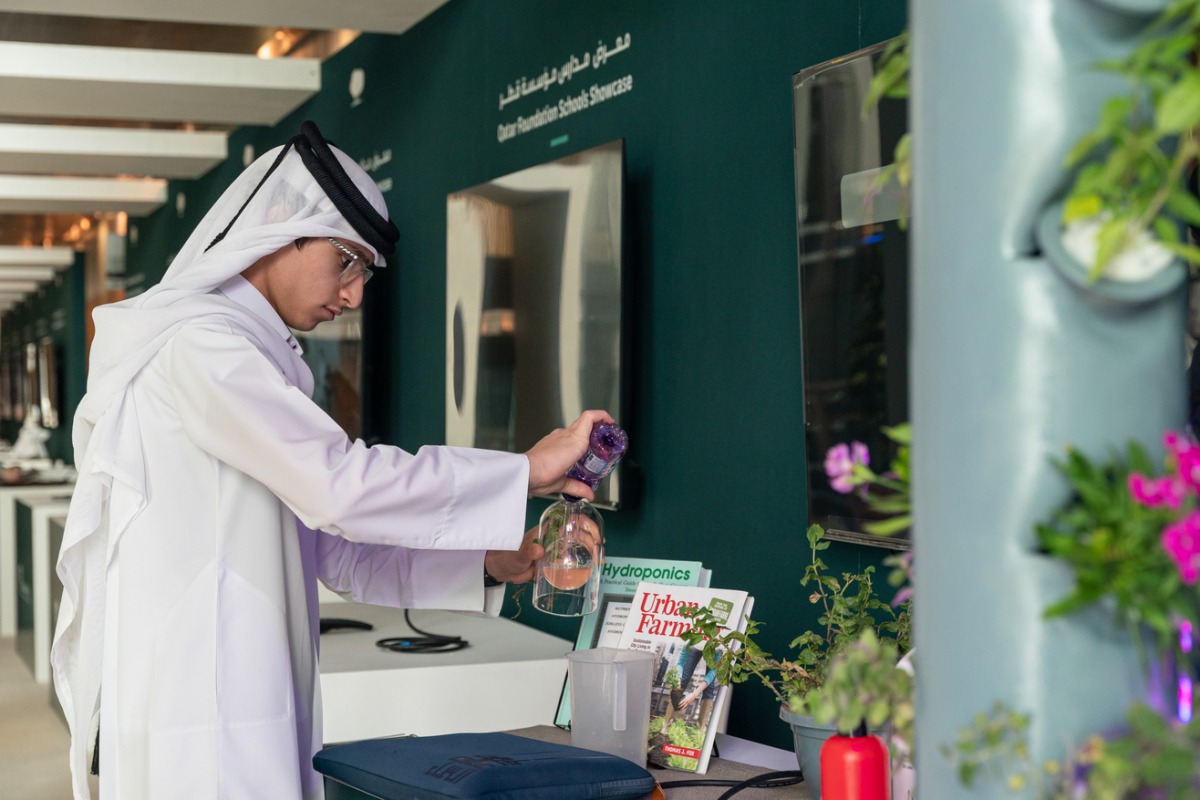
The showcase featured around 50 student projects addressing real-world challenges across artificial intelligence, sustainability, health, and culture, alongside participation from industry partners within the public and private sector, as well as QF’s Qatar Science & Technology Park and Hamad Bin Khalifa University, the Qatar Research, Development and Innovation Council, Qatar National Library[MS1] , and QF alumni, giving students the opportunity to see the direct connection between their projects and Qatar’s future priorities.
Benchaabane explained that the IB Middle Years Program Personal Project forms the academic foundation of the showcase, encouraging students to identify real-world challenges, conduct research, and develop meaningful projects, while the showcase itself provides a platform where these ideas move beyond the classroom into real-world application.
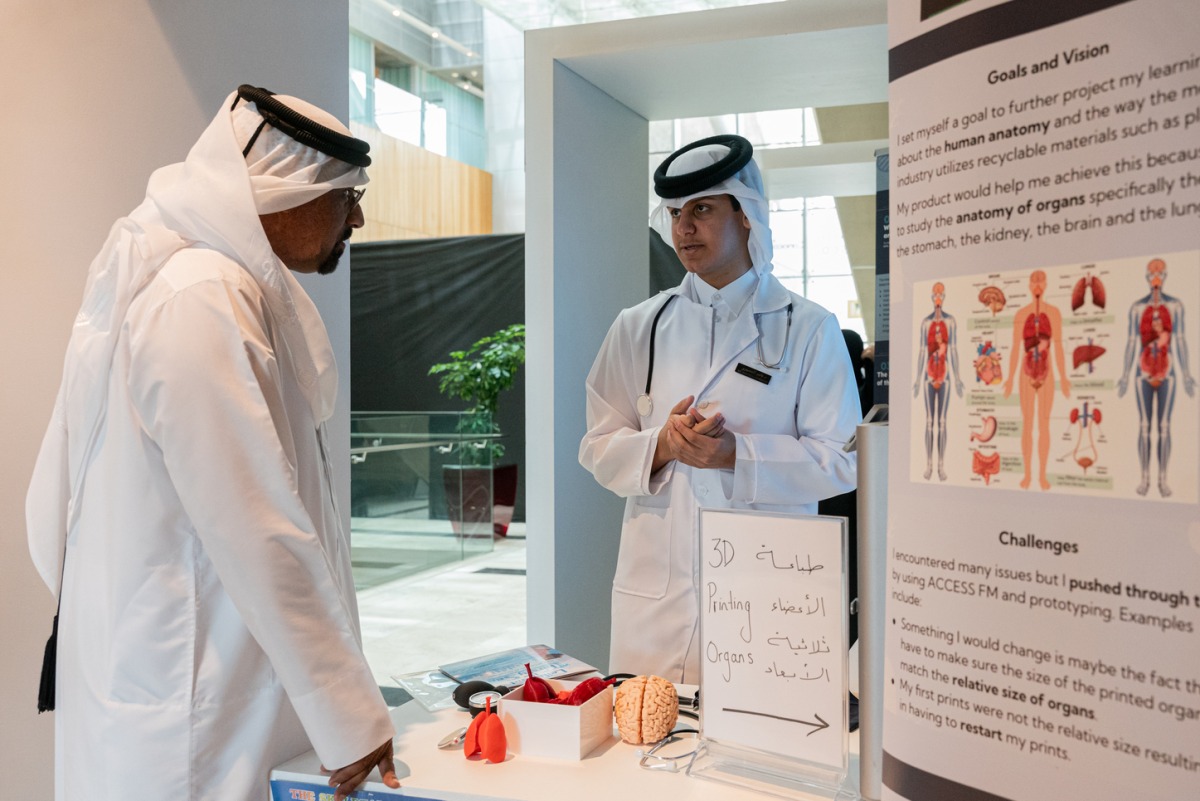
“When a student stands before industry experts and QF alumni to present and defend their project, they are no longer simply learners in a classroom, they become innovators capable of communicating their ideas with confidence,” he said.
Benchaabane emphasized that presenting projects, responding to questions, and engaging directly with audiences play a significant role in building students’ confidence and personal growth. He said that encouraging students to present in both Arabic and English through dual-language programs strengthens their academic and professional communication skills in both languages.
He also noted that the transformation students experience after participating in the showcase is “significant and impactful,” explaining that many initially view their projects as academic requirements, but leave seeing them as ideas with real potential for future development and application.
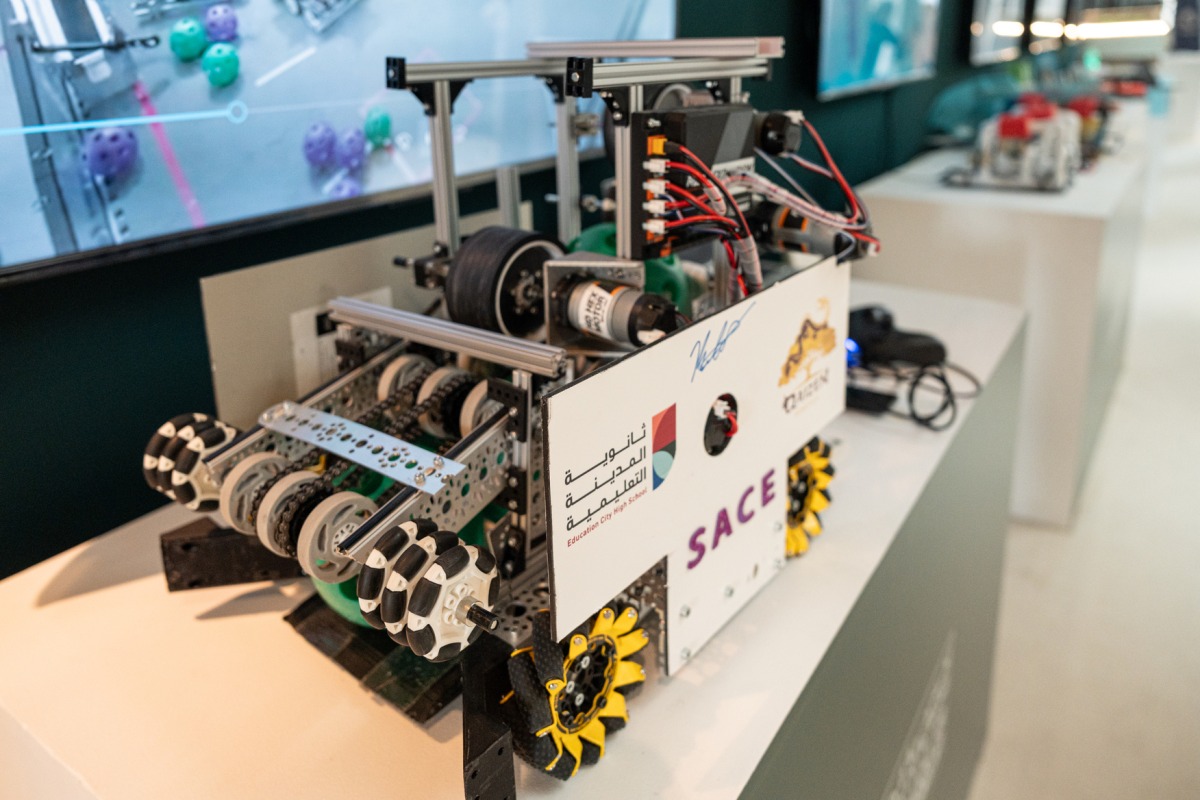
“When a student hears from an expert or a QF alumnus that their project has real potential, it changes the way they see both themselves and their future,” he added.
“Giving students the opportunity to curate their booths and present their projects to the public fosters a stronger sense of ownership and responsibility toward their ideas, while building confidence that continues to shape them long after the showcase ends.”
[MS1]QRDI Council cannot be positioned as part of QF and QNL should not be positioned as “QF’s”, hence the edits.