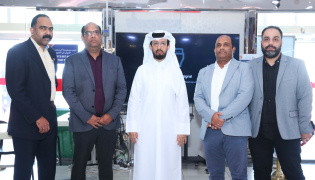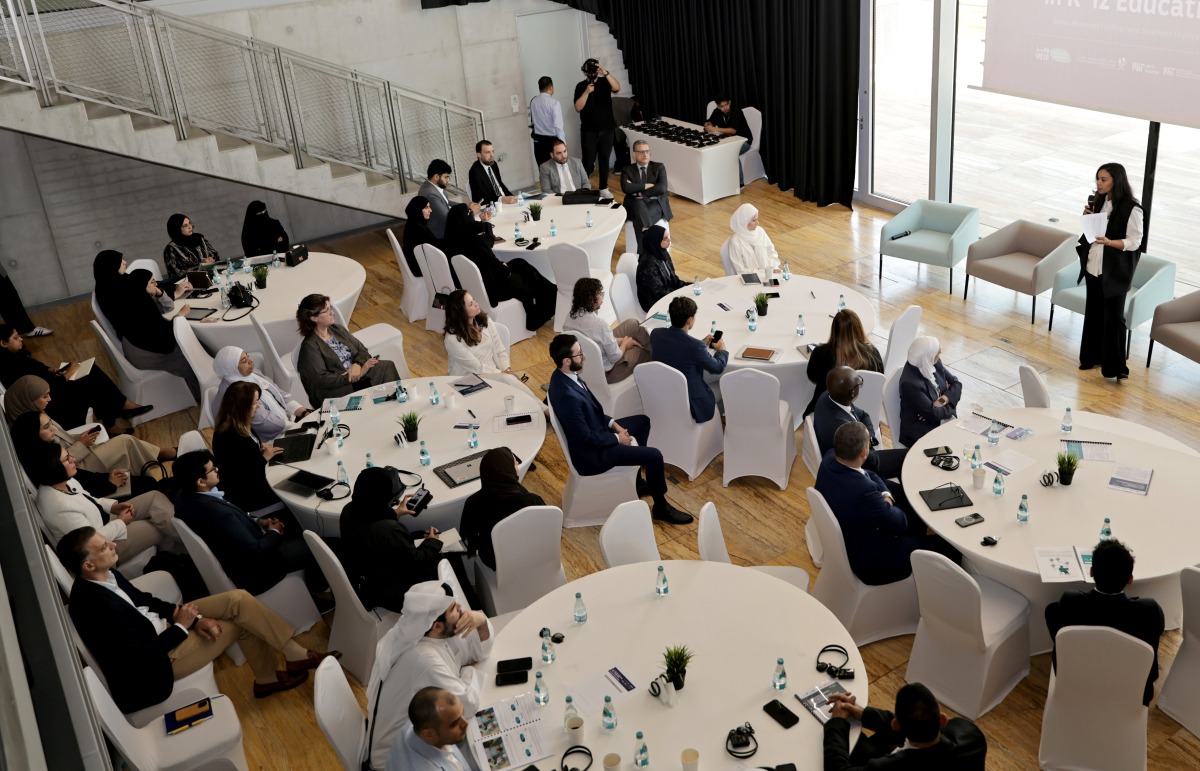
Doha, Qatar: The World Innovation Summit for Education (WISE), an initiative of Qatar Foundation hosted a policy dialogue yesterday spotlighting new global research on the integration of artificial intelligence in K–12 education. It drew on the perspectives of more than 3,000 teachers across multiple countries and offering insights for national education strategies.
Conducted in partnership with Qatar Ministry of Education and Higher Education (MoEHE), the MIT pK-12 Initiative, MIT RAISE, and University of Southern California, the research examined how teachers are engaging with AI in classrooms and the challenges they face in adopting the technology effectively.
Speaking at the event ‘AI & Teacher Readiness in K–12 Education: Global Research Findings and Strategic Implications’ held at the ThinkBay in Education City, Research and Policy Director at WISE, Selma Talha Jebril said that two major studies were conducted and they represented “one of the most comprehensive looks at AI integration in K-12 education conducted anywhere in the world today.”
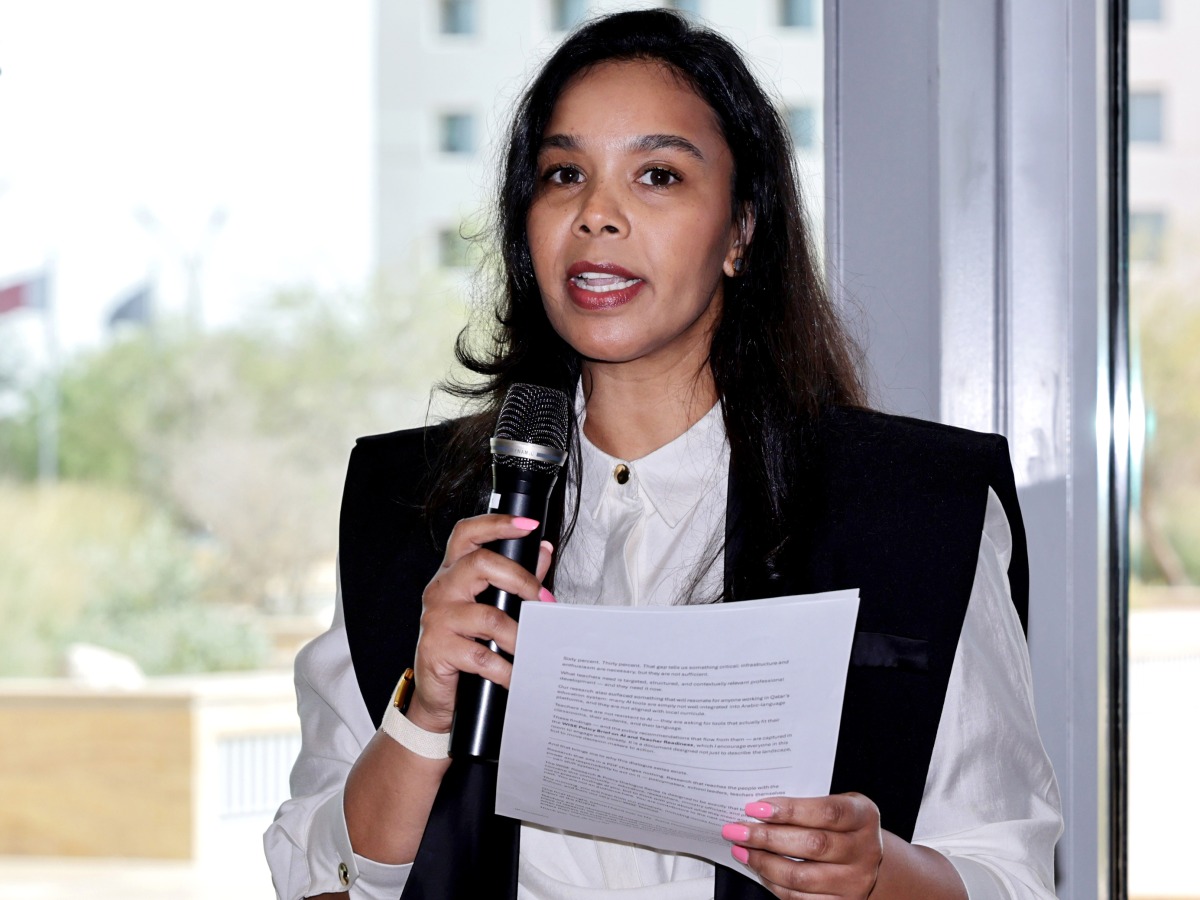
Research and Policy Director at WISE, Selma Talha Jebril
“From Qatar, we had about 550 teachers participating in this study. And across the world, we had roughly about 3,000 teachers across diverse global contexts,” she said, noting that participating countries included the United States, India, the Philippines, Colombia, Ghana, and Uganda.
Among the key findings, 60 percent of teachers reported that AI helped them tailor instruction to meet diverse student needs. However, in Qatar, only 30 percent of surveyed teachers reported a strong understanding of how AI works in education.
“The gap tells us something critical,” Jebril said. “Infrastructure and enthusiasm are necessary, but they’re not sufficient. What teachers need is targeted, structured, contextually relevant professional development, and they need it now.”
The research also highlighted concerns around the limited integration of AI tools into Arabic-language platforms and their alignment with local curricula.
“Our research teachers here are not resistant to AI,” she said. “They are asking for tools that actually fit their classroom, their students, and their language.”
Head of the Quality and Planning Unit at the Department of E-Learning and Digital Solutions at MoEHE, Aisha Mohammed Al Emadi said Qatar already possesses a supportive institutional environment for adopting AI in education due to its advanced digital infrastructure and sustained investments in innovation.
She stressed, however, that readiness goes beyond simply providing technology.
“The findings of these studies revealed that teachers’ readiness is not linked solely to the availability of technological tools, but also depends on strengthening their confidence in using them, providing institutional support, ensuring continuous professional development, and maintaining clear educational policies,” she said.
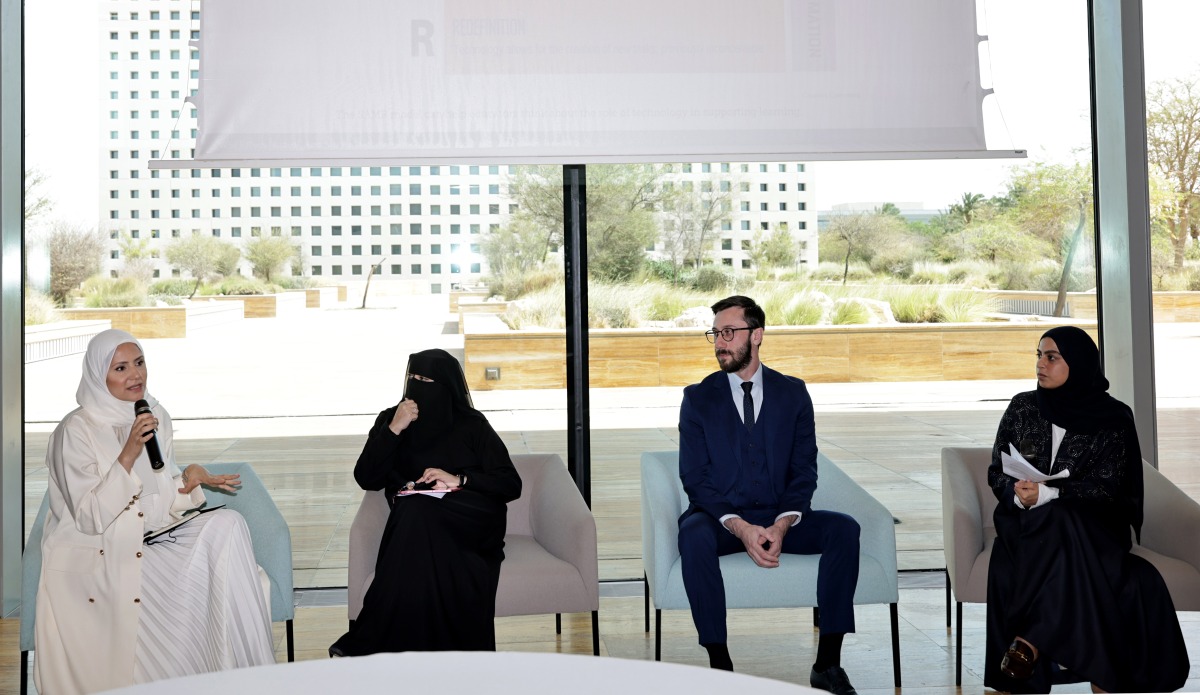 Panelists at the event
Al Emadi added that the next phase would require the development of regulatory and educational frameworks to ensure the safe and effective use of AI, alongside sustainable investment in teacher capabilities and stronger partnerships between educators, researchers, and policymakers.
Moderated by Research and Policy Associate at WISE, Maimoona Junjunia a panel discussion explored how teachers are currently using AI, primarily for administrative and preparatory tasks, while emphasizing the need to move toward deeper and more transformational classroom applications.
The panellists also underscored the importance of rigorous evaluation of AI tools through national initiatives such as the WISE EdTech Testbed.
Innovation Manager at WISE, Shahd Dauleh said the Testbed initiative was designed to create “structured but flexible testing environments for AI” in collaboration with both Qatar Foundation and government schools.
“A lot of the AI and the tech out there is hyped up a little unnecessarily,” she said. “Most of it isn’t actually rigorously tested, and we don’t know if it’s effective or useful for teaching and learning before it’s actually pushed on teachers.”
Assistant Director of the E-Learning and Digital Solutions Department at MoEHE, Lolwa Al-Nuaimi emphasised the importance of culturally relevant AI tools.
“For AI to succeed in education, it must reflect our language, culture, and values while supporting teachers with the right tools,” she said.
Practical classroom applications were also showcased during the discussion. Teacher of Robotics and Automation at the Qatar Science and Technology Secondary School for Boys, Iyad Salameh shared examples of students using AI in hands-on projects.
“Hands-on projects show how students can use AI to build real-world solutions, turning classrooms into innovation labs,” he said.
The event was the first of the WISE Research & Policy Dialogue series to ensure that research findings are not confined to academic publications but actively inform policy and practice.