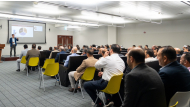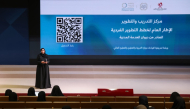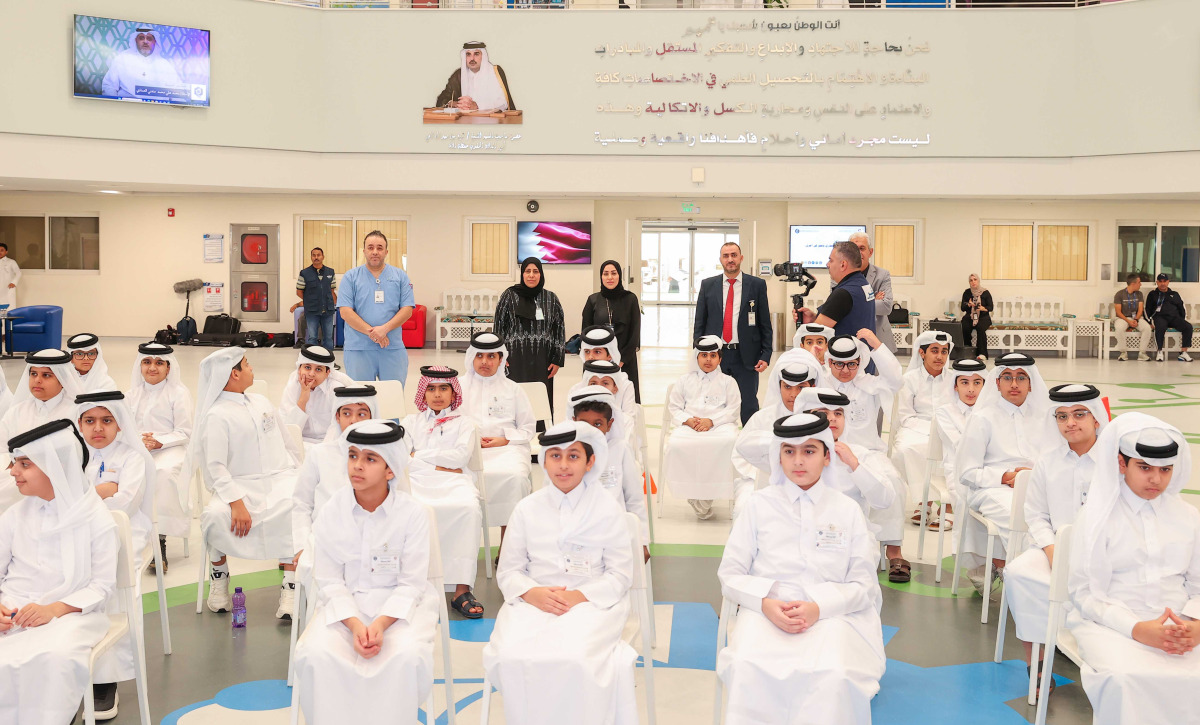
Students attend an awareness session.
Doha, Qatar: The School Health Program & Services Department at Primary Health Care Corporation (PHCC) has concluded the Back-to-School Campaign for the 2026-2027 academic year. The campaign was implemented over 12 days, from August 30 to September 10, 2026, under the theme “Healthy Bodies Build Strong Nations.”
The campaign achieved 94.9% coverage of targeted government schools, reaching 299 government schools. School Health teams also documented 1,811 implementations of campaign activities, interactive interventions, and follow-up tools.
Campaign messages and activities generated 926,708 audience engagements across the school community, including 496,536 student engagements, 365,644 parent engagements, and 64,528 school staff engagements. These results reflect the campaign’s broad reach and the effective partnership among schools, families, and School Health teams in supporting student health and wellbeing.
Student participation in campaign activities reached 77.47%, compared with a target of 70% and achievement of 7.47 percentage points above target. This result demonstrates strong student engagement and the ability of schools and School Health teams to translate health messages into meaningful participation within the school environment.
Through 1,811 documented implementations of activities and practical tools, the campaign moved beyond traditional health awareness.
It focused on enabling students to understand healthy behaviors, put them into practice, reflect on them, monitor their progress, and maintain them in everyday life.
The tracking and self-assessment tools addressed balanced and responsible digital-device use, healthy sleep, hydration, nutrition, physical activity, and emotional regulation. These tools were designed to strengthen students’ personal responsibility for their health by helping them observe daily habits, identify areas for improvement, and monitor their progress. They were not intended for academic grading or assessment.
Through 496,536 student engagements, the campaign transformed health messages into practical experiences through health education sessions, workshops, skills-based activities, interactive awareness corners and stations, practical health activities, and tracking and self-assessment tools.
The campaign’s 365,644 parent engagements extended key health messages into the home and reinforced the family’s role in supporting students’ daily habits, particularly in relation to sleep, nutrition, hydration, digital behaviour, and physical activity.