DOHA: The GCC petrochemicals industry manufactures 136.2 million tonnes of products in 2014, earning $87.4bn (QR318.27bn) in revenues. The region contributes 13 percent of the world’s petrochemical output by volume, according to estimates by the Gulf Petrochemicals and Chemicals Association (GPCA).
According to experts, the long- term outlook remains positive. Global demand for petrochemicals is expected to grow at an average rate of 4 percent in the next decade, with two-thirds of this demand coming from non- OECD countries, especially China and India.
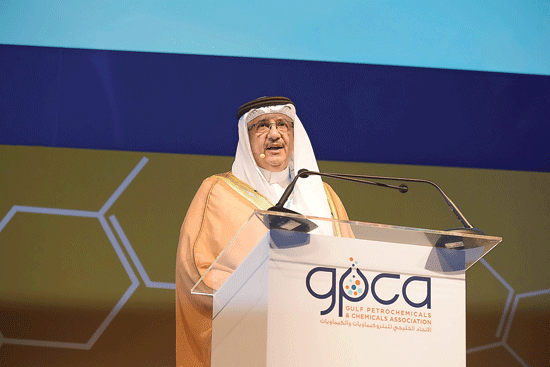
Despite the associated challenges with the recent oil price volatility, the forecast for the petrochemicals remains positive, due to attractive investment environments, government commitment and future demand, said speakers at the 10th Annual Forum, organised by the GPCA.
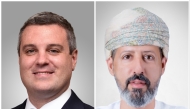
“Forty years ago, we (in the Arabian Gulf) were in a very different place. Though the region was already one of the leading oil producers in the world, the industry had no method of capturing the associated gas by-product that would eventually be used in the basic chemicals we produce today,” said Abdullatif Ahmad Al Othman, Governor and Chairman of the Board of Directors, Saudi Arabian General Investment Authority (SAGIA).
“In Saudi Arabia, we created the master gas system to capture, treat, and process the gas through a very large and sophisticated gas network system of more than 4,000km in length, with production capacity of 9 billion standard cubic feet every day. This transformed our industry and economy to include petrochemicals, resulting in a revolution over the past four decades.”
Al Othman outlined Saudi Arabia’s ambitious development strategy, which includes goals to double employment, investment and economic growth in the next 10 years. The downstream sector is expected to play a major role in this vision, with the potential to create 200,000 direct jobs in this period and investment potential of more than $150bn, according to SAGIA estimates.
“Saudi Arabia is expected to be home to over 50 million people in the next decade. We have the raw materials, an emerging logistics and transport hub and some of the most progressive investment laws in the world,” said Al Othman.
“We have a strong business case for investors as we have the right market, right economy and right investment climate.”
From a global perspective, the GCC’s petrochemicals industry is also developing a reputation.
“The concept of a global petrochemicals market was born here in the Middle East more than 40 years ago,” said Neil Chapman, President, ExxonMobil Chemical. “Today, the Middle East accounts for 80 percent of the world’s interregional chemical exports.”
However, recent developments in the global energy market prove that the evolution of chemicals industry can prove challenge.
“Change is the norm. At the first GPCA forum 10 years ago, no one anticipated that the United States was about to emerge as a hotspot for chemicals investment. But today, we see the US pursuing a model similar to what the Middle East did decades ago, capitalizing on domestic natural gas supplies by building capacity to serve overseas growth,” said Chapman.
“While the United States has a long way to go before it might rival the Middle East, change in our industry isn’t always measured in years and decades. As recent twists in the oil market have made clear, the economics of petrochemicals can be transformed in a matter of months,” he said.
The Peninsula