File picture
Doha, Qatar: During times of regional geopolitical tension, relying on official and verified news sources becomes essential not only for personal awareness but also for maintaining public order and responsible civic engagement, according to Lecturer at the College of Law at Hamad Bin Khalifa University, Dr. Khalid Mubarak Al-Kuwari.
Dr. Al-Kuwari said that the rapid flow of information during crises makes it increasingly difficult for the public to distinguish between facts, ongoing investigations, and speculation.
“In this informational age and in moments of armed conflict or severe regional tension, the flow of information becomes extremely rapid,” he told The Peninsula adding that verified information “is not merely a matter of personal awareness; it is a matter of public order and legal responsibility.” He explained that official statements and credible journalism help create a shared understanding of events among citizens. “Official and verified sources help citizens distinguish between what has occurred, what remains under investigation, and what is pure speculation,” Dr. Al-Kuwari said.
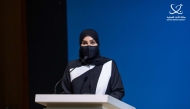
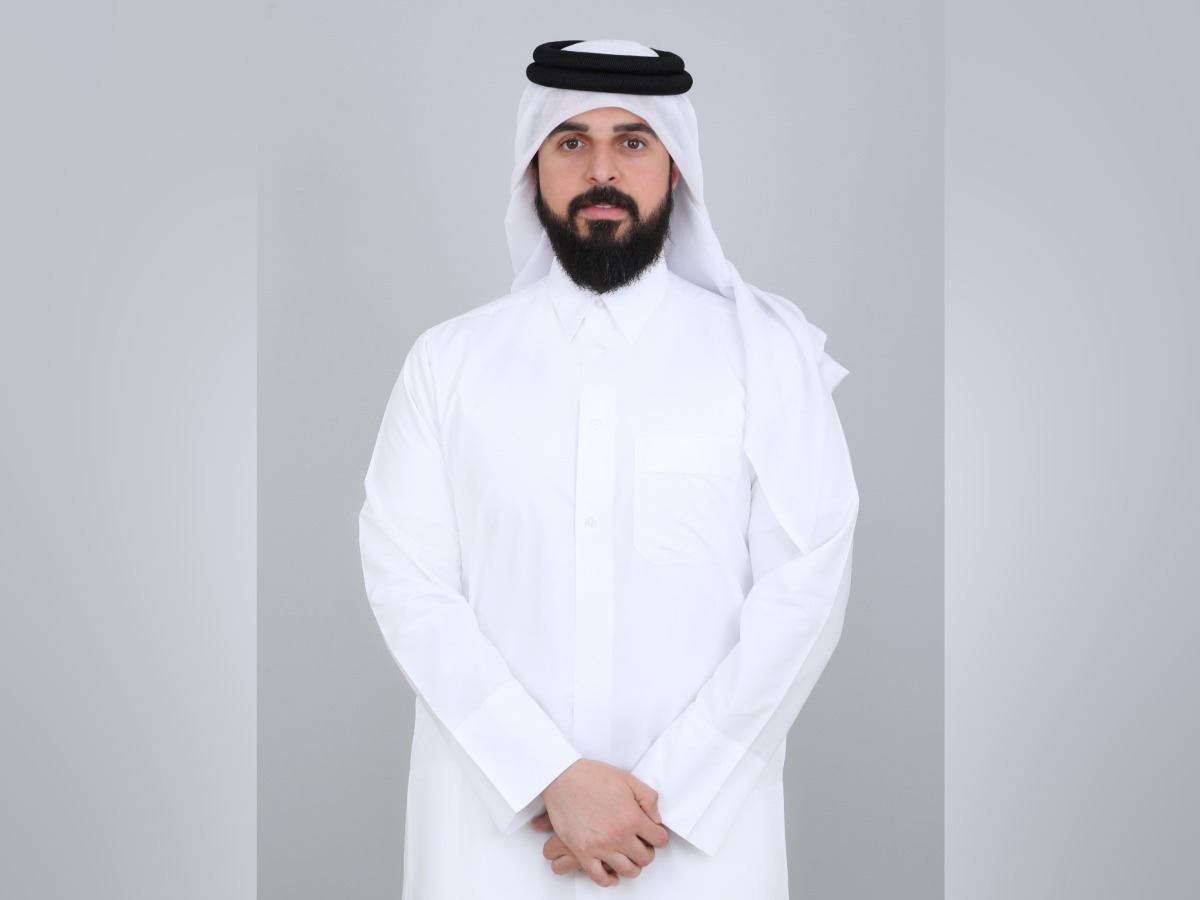 Lecturer at the College of Law at Hamad Bin Khalifa University, Dr. Khalid Mubarak Al-Kuwari
According to him, when the public relies on reputable journalism and documented evidence, it becomes easier to maintain “a common factual baseline for rational and collective civic discussion.” Dr. Al-Kuwari also highlighted that this approach aligns closely with Qatar’s broader policy framework during times of crisis. “From the perspective of Qatar’s public policy, this is especially important because Qatar’s official posture combines firm protection of sovereignty with a continuing commitment to dialogue, preventive diplomacy, and mediation,” he said.
“Reliance on verified sources supports not only truth, but also the state’s broader peace-oriented diplomatic strategy.” Addressing the dangers of misinformation, Dr. Al-Kuwari warned that false or unverified content can significantly distort public understanding during geopolitical crises. “Misinformation is dangerous because it alters both perception and behavior; it can be used as information warfare or political manipulation,” he said.
He explained that fabricated reports can exaggerate military developments, invent casualty figures, misattribute attacks, or even circulate fake official statements.
Such distortions, he said, can cause panic, erode trust in institutions, and push societies toward emotional reactions rather than thoughtful and legally grounded responses.
“In Qatar, where the government is simultaneously asserting its sovereign rights and advocating de-escalation, misinformation is particularly harmful,” he said. “It may minimise a real attack and weaken public understanding of the seriousness of the violation, or it may inflame public opinion in ways that undermine diplomatic efforts.” Dr. Al-Kuwari also provided practical advice for individuals seeking to verify information circulating online. He outlined a simple approach that includes checking the source, the publication date, the supporting evidence, and whether the information is confirmed by other credible outlets.
“First, ask whether the claim comes from an official institution, an identifiable journalist, or a recognised news organisation,” he said. “Second, check the publication date, because old footage or statements are often recycled during conflicts as if they were new.” He added that individuals should also look for primary documentation such as official statements, press releases, or full interviews, while comparing viral claims with information from competent authorities and reputable international news agencies.
Dr. Al-Kuwari cautioned the public against trusting dramatic screenshots, edited videos, or anonymous posts circulated on social media platforms. “People should be particularly cautious about content shared through anonymous Instagram, WhatsApp or X posts,” he said.
Highlighting the broader role of academia, Dr. Al-Kuwari stressed that universities and researchers play a vital part in strengthening public resilience against misinformation. “Universities help produce an informed public capable of disciplined reasoning,” he said. “In times of crisis, researchers and faculty members avoid amplifying panic and instead exercise rigor, proportionality, and ethical judgment.”
He added that scholars can also help the public understand how evidence is evaluated and how international law frames issues such as sovereignty, self-defence and peaceful settlement of disputes.