Kuwait: Deputy Chairman of the National Human Rights Committee (NHRC) H E Dr. Mohammad Saif Al Kuwari underlined the importance of developing strategic plans to reduce gas emissions and combat climate change, in order to preserve the health and safety of individuals and communities as stated in the goals of sustainable development.
Dr. Al Kuwari added that the study prepared by Qatar’s Ministry of Environment and Climate Change (MoECC) recommends raising awareness among the population to adapt to climate changes, and to protect themselves from the spread of diseases and epidemics by adopting modern means and methods of prevention.
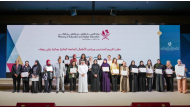
This came during the participation of the State of Qatar in the 39th international conference held by the International Organization for Women Empowerment and Capacity Building “Tamkeen” in the State of Kuwait, in cooperation with the National Society for Child Protection and the Regional Network for Social Responsibility, under the umbrella of the Gulf Cooperation Council.
The earth temperatures, has increased by 1.2 degrees Celsius, very close to the 1.5 degrees limit adopted in the Paris Agreement, which has led to changing patterns of precipitation in unusual seasons, melting of ice in the two poles, drought and desertification, in addition to abnormal changes that caused natural disasters in many countries of the world, Said Dr. Al Kuwari.
The change in temperature can contribute to the spread of diseases through the growth of organisms that transmit pathogens by modifying the rates of their ability to infect, Dr. Al Kuwari said, adding that temperature changes can also prolong the duration of the disease transmission season, expand its geographical spread and create new strains of the microbes.
The conference aims to raise awareness of climate changes and their effects on the global system, to identify the factors causing climate change in the third millennium, to examine the repercussions of climate change on achieving sustainable development goals, and to highlight Arab government efforts in the field of combating the climate change impacts.
It also eyes urging the international community to assist developing countries with the necessary funding to face the repercussions of climate change; highlight the social, economic and environmental impacts of climate change and evaluate the role of international conferences in facing climate change. The topics on the conference agenda include the causes of climate change, international efforts in confronting climate change, and the experiences of Arab countries in facing the repercussions of climate change in addition to the role of civil society in raising awareness of the phenomenon.