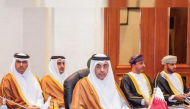
Doha, Qatar: Artificial intelligence (AI) and digital technologies have been identified as critical tools in the global fight against corruption, as world leaders concluded the Conference of the States Parties to the UN Convention against Corruption (COSP11) with the adoption of the Doha Declaration 2025.
The declaration underscores the need for countries to harness emerging technologies to keep pace with increasingly complex corruption patterns, strengthen international cooperation, and enhance the efficiency and integrity of anti-corruption investigations.
A statement issued by the Conference affirmed that the Doha Declaration delivered a clear message that building the integrity of the future requires the responsible use of technology and the strengthening of international cooperation to address the growing challenges associated with corruption and transnational financial crimes.
It noted that the increasing complexity of corruption patterns requires law enforcement and judicial systems to keep pace with these evolving threats, and called on States to leverage digital technologies, including artificial intelligence, to enhance international cooperation and improve the accuracy, efficiency, and objectivity of corruption risk assessment.
The Declaration encouraged the use of technologies developed by expert networks, including the Global Operational Network of Anti-Corruption Law Enforcement Authorities of the United Nations Office on Drugs and Crime (UNODC), enabling the secure and rapid exchange of information, given the critical importance of time in corruption cases and its direct impact on the integrity of investigations.
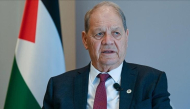
Acting Executive Director of UNODC John Brandolino said that the new Doha Declaration, with its focus on artificial intelligence, represents an important recognition of the impact of this technology and a fundamental step toward harnessing its potential in preventing and combating corruption.
The Conference adopted eleven resolutions, including those related to enhancing transparency in the financing of political parties and election campaigns, promoting integrity among children and youth through education, examining the role of corruption in facilitating other crimes such as migrant smuggling and environmental crimes.