DOHA: Qatar’s dynamic non-hydrocarbon sector is increasingly driving the country’s economy. Qatar’s economic growth rate rose to 5.7 percent year-on-year in the second quarter of 2014 (2Q14) led by double-digit acceleration on non-hydrocarbon sector activity, said NBK’s December 2014 Chartbook on Qatar’s macro-economy.
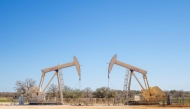
As the government proceeds with rolling out its development plans, the country’s gross investments has touched up to 30 percent of the GDP. Qatar’s oil production has declined in recent months due to conservative management of maturing oil fields.
The NBK chart suggests headline inflation is rising gradually, spurred on by increases in rents; but food price inflation remains muted. Real estate prices are up by 42 percent year-on-year in September in the context of burgeoning demand and limited supply. The population rate tops 2.25 million, growing by 9.7 percent year-on-year in November on rising expatriate inflows.
The country awarded contracts worth of $26bn in 2014 as rollout of rail, road and public works projects picks up speed. Qatar posted a large fiscal surplus of 42 percent of GDP in 2Q14. Revenues increased and expenses were down significantly. However, with gas prices indexed to oil prices, revenues will be affected by the 40 percent fall in oil prices since June. Public debt fell to 32 percent of GDP as bonds and sukuk mature.
Falling oil and gas prices were evident in the drop in exports in 3Q14. Reserves reached a record high of $45bn in October although the pace of reserve accumulation has slowed. Bank assets topped $270bn in 2014 on the back of robust credit and investment growth. The private sector is increasingly driving credit growth, with consumption, real estate and trade leading the way.
Private sector deposit growth, at 18 percent year-on-year, has also helped to offset a deceleration in public sector deposit growth. Burgeoning deposit growth and debt issuance has resulted in banks reducing their dependence on wholesale funds.
Key lending and deposit rates remain unchanged in the context of the fixed exchange rate regime. Interbank rates have not exhibited much volatility in 2014 and are down on average compared to 2013. Having topped 14,000 in September, the index has reversed some of its gains on concerns over the slide in oil prices.
The Peninsula