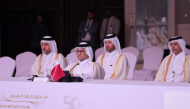
Muhammad Zubair Mughal, CEO of AlHuda CIBE, and other panellists speaking on Islamic Agricultural Finance to the conference of World Bank and AAOIFI in Bahrain.
The Organization for the Islamic Cooperation (OIC) countries are lacking behind in agricultural and rural finance. A green revolution in the member states could be brought through Islamic agricultural finance, says an expert from the industry.
About 53 percent of the population of OIC countries lives in the rural area which is globally more than the other areas and its commitment to the total agricultural department is 34 percent . On the other hand, 49 percent population lives in the rural areas while their commitment to the total agricultural department is 38 percent . OIC countries have 29 percent of the world’s total agricultural land while the Muslim population in the world is 23 percent .
On the other side, the share of international GDP of OIC Countries in the agricultural department is only 11 percent approximately and considering these facts and figures, it’s found that Muslim countries as compared globally have more agricultural land, more portion of population in rural areas, even so agricultural department faces failure and destruction and approximately 55 percent rural population of the Muslim world is living below the poverty line.
Muhammad Zubair Mughal, Chief Executive Officer at AlHuda Center of Islamic Banking and Economics (CIBE), while addressing on Islamic Agriculture expressed these thoughts in an international Islamic Banking and Finance conference organised by World Bank and AAOIFI in Bahrain. The individuals of 45 countries participated in this conference.
He further added that the best products of Islamic Agriculture and Microfinance for agricultural promotion and poverty alleviation are present which can be properly and easily utilized to alleviate the poverty and promote agriculture.
He said that many best practices on Islamic agricultural finance have been conducted in many countries including Yemen, Afghanistan, Sudan, Albania and Pakistan which can be presented as a role model to bring the green revolution.