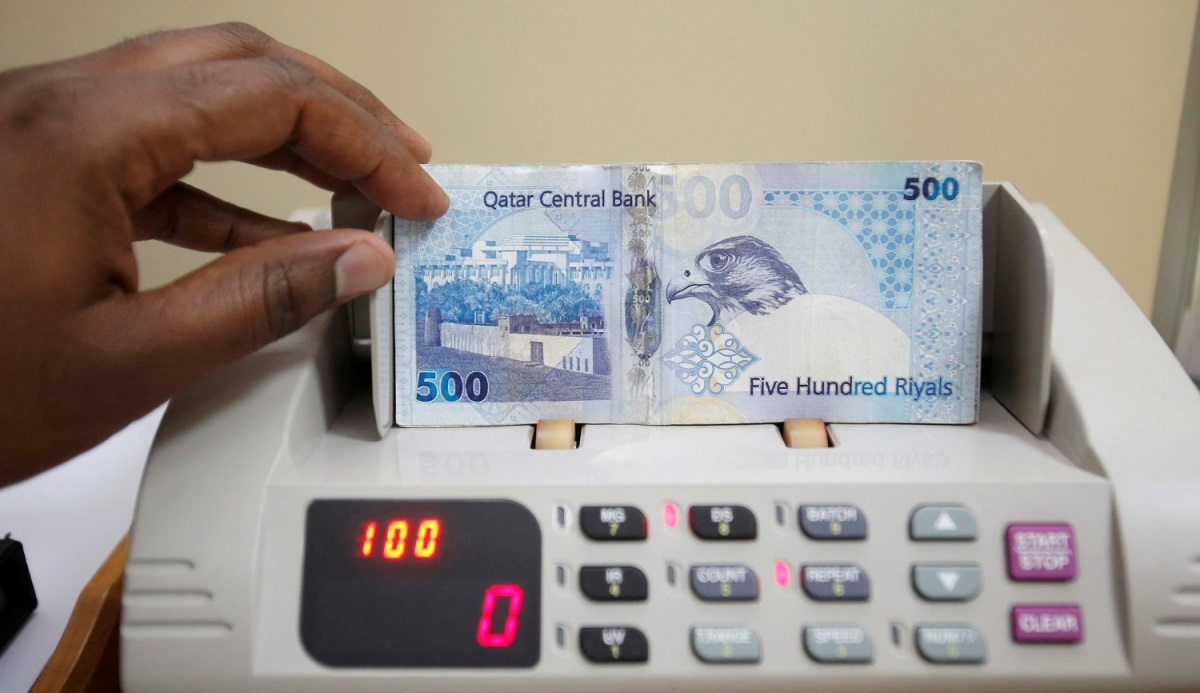
File picture used for representation only.
Qatar, along with other GCC countries, expects that the introduction of Value Added Tax (VAT) would help grow the revenues of the respective countries at a significant rate. Gulf countries are working towards introducing a harmonised VAT in 2018.
In a statement at the just concluded International Monetary and Financial Committee’s (IMFC) 35th meeting in Washington, the 13-member Qatar Group Countries said VAT could raise revenues anywhere from 1 to 2 percent of GDP.
Addressing the Washington meet on behalf of the 13-member Group, the UAE Minister of State for Finance, Obaid Humaid Al Tayer said despite the recent price pick up in oil prices has provided some relief, oil-exporting countries have intensified their efforts to adjust their economies to persistently low oil prices. These efforts have typically involved a mix of higher taxes with cuts in public expenditure, including to the subsidy bill, prioritized investments geared toward diversification, and financing to allow a gradual adjustment path.
“Gulf countries are working towards introducing a harmonized VAT in 2018 that could raise revenues anywhere from 1 to 2 percent of GDP, assuming a VAT rate of 5 percent. Members of our constituency have developed comprehensive strategies to promote private sector growth, implement labor market reforms, cut down on public wage growth and reduce subsidies, implement supporting infrastructure, improve public sector efficiency, and build resilience of the financial sector.
These efforts have been reflected in successful access to capital markets to obtain financing on favorable terms to ease the pace of adjustment and to improve the debt profile. Such policies are continuing and differentiated by country”, he said.
Obaid Humaid said several countries in the group have embarked on major economic transformations. Reforms centered on cutting current spending, reducing subsidies, generating higher revenue by broadening the base of existing taxes, and preserving space for infrastructure and social spending.
In Egypt, the flotation of the exchange rate in November marked a historical step—that was well prepared and implemented, with virtually no central bank intervention.