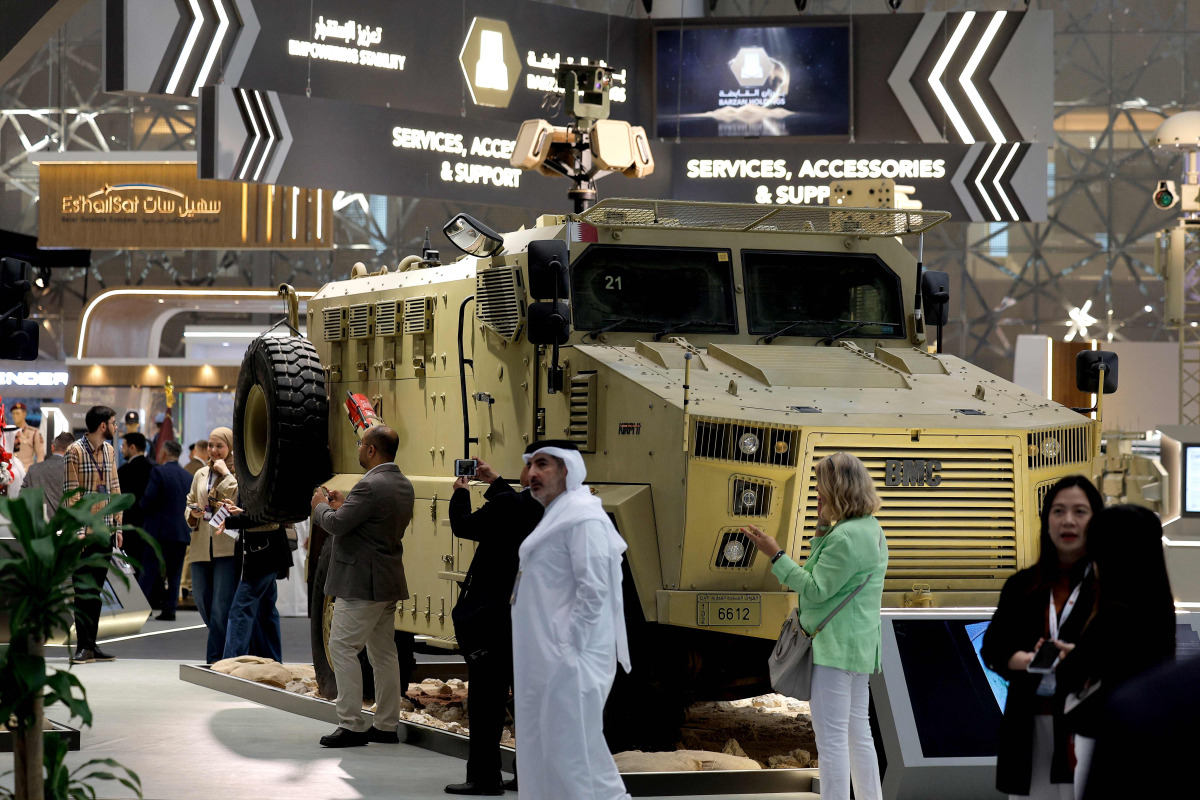
A BMC armoured vehicle is showcased at Milipol Qatar.
Doha, Qatar: Qatar’s defence industry is shifting from a focus on equipment procurement towards a broader industrial model built on domestic manufacturing, technology integration and international partnerships at Milipol Qatar 2026.
Speaking to The Peninsula, industry leaders noted that this ambition is reflected in the activities contributing to a different part of the country’s evolving defence and security landscape.
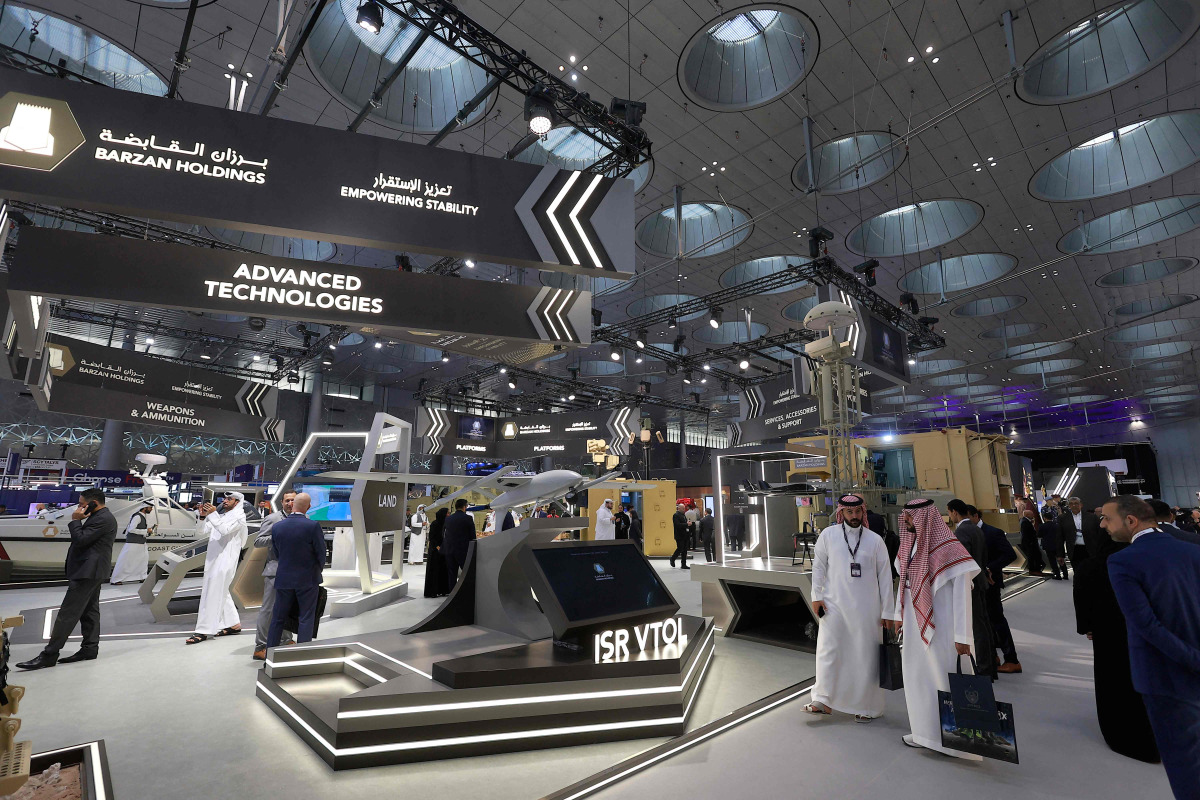 Barzan Holdings pavilion during Milipol Qatar 2026
For Barzan Holdings, the country’s national defence and security leader, the next phase of development comes as the company marks a decade since its establishment. Its expanding industrial footprint reflects efforts to strengthen domestic capabilities while building partnerships that support Qatar’s long-term defence and national security requirements.
“This year, as we celebrate 10 years since our establishment, the growth we have achieved is reflected in the scale of our presence at Milipol 2026, driven by our investment strategy and the strategic partnerships we have built to support our sovereign defence and national security needs,” said Chief Commercial Officer of Barzan Holdings, Abdulrahman Darwish Fakhro.
The company has established four manufacturing facilities in Qatar, alongside two services companies, as part of its efforts to develop a self-sustaining defence ecosystem.
Its focus is now on accelerating growth, expanding its international presence and attracting partners that can contribute to the development of local industrial capabilities.
“We are now moving into a new and exciting phase of growth as we accelerate the pace of development to firmly establish Qatar as a regional defence hub,” Fakhro said.
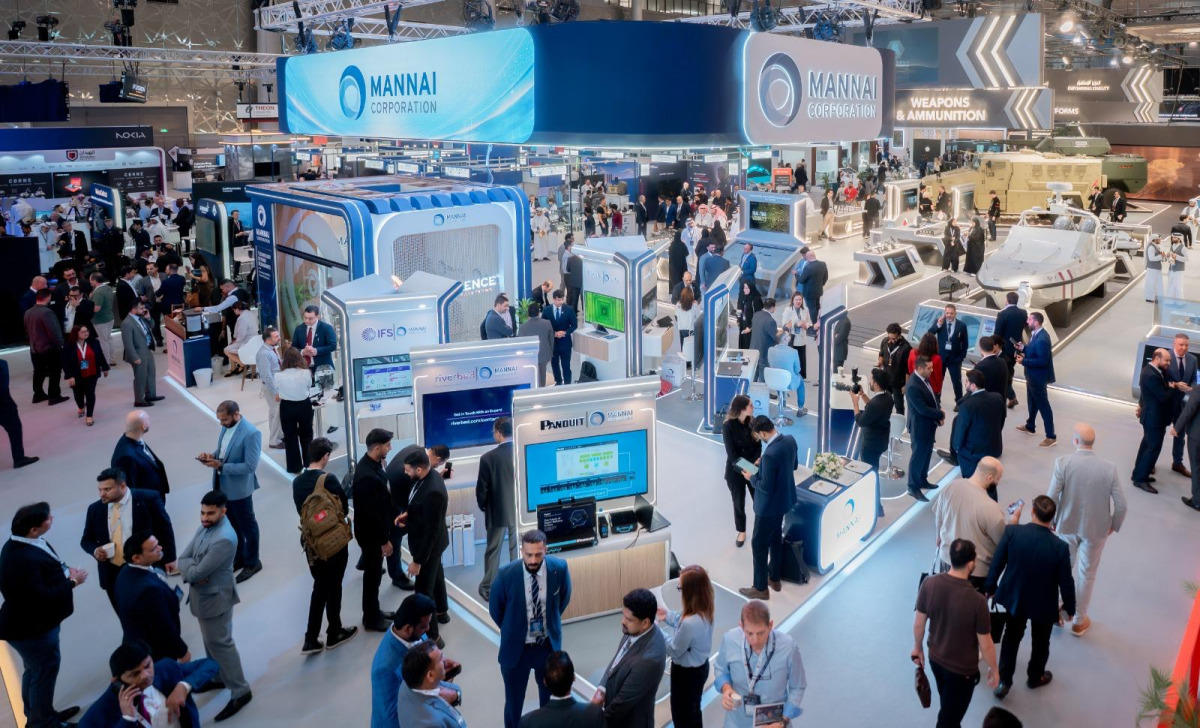 Visitors explore the Mannai Corporation pavilion at Milipol Qatar 2026
The ambition extends beyond manufacturing capacity to include strategic investment, human capital development and technology-driven solutions. For Qatar, developing a stronger industrial base means building the expertise and partnerships needed to support defence and security requirements over the long term.
Alongside the development of domestic industrial capabilities, technology is becoming an increasingly important part of Qatar’s security landscape.
Senior Marketing Director for Qatar and Emerging Markets at Mannai InfoTech, Valine Fernandes, said Qatar’s security landscape had evolved significantly, with greater emphasis on technology, operational readiness and long-term resilience.
“Security today extends beyond physical protection to include cybersecurity, intelligent surveillance, data analytics and critical infrastructure protection,” she said.
Against this backdrop, she said, “At Mannai InfoTech, an ICT division of Mannai Technologies, we bring together global technology expertise and local implementation capabilities to support Qatar’s evolving homeland security, public safety and smart city priorities.”
By combining international technology partnerships with local implementation capabilities, Mannai InfoTech illustrates how Qatar’s security ecosystem is expanding beyond conventional hardware to incorporate the digital infrastructure required for increasingly complex operations.
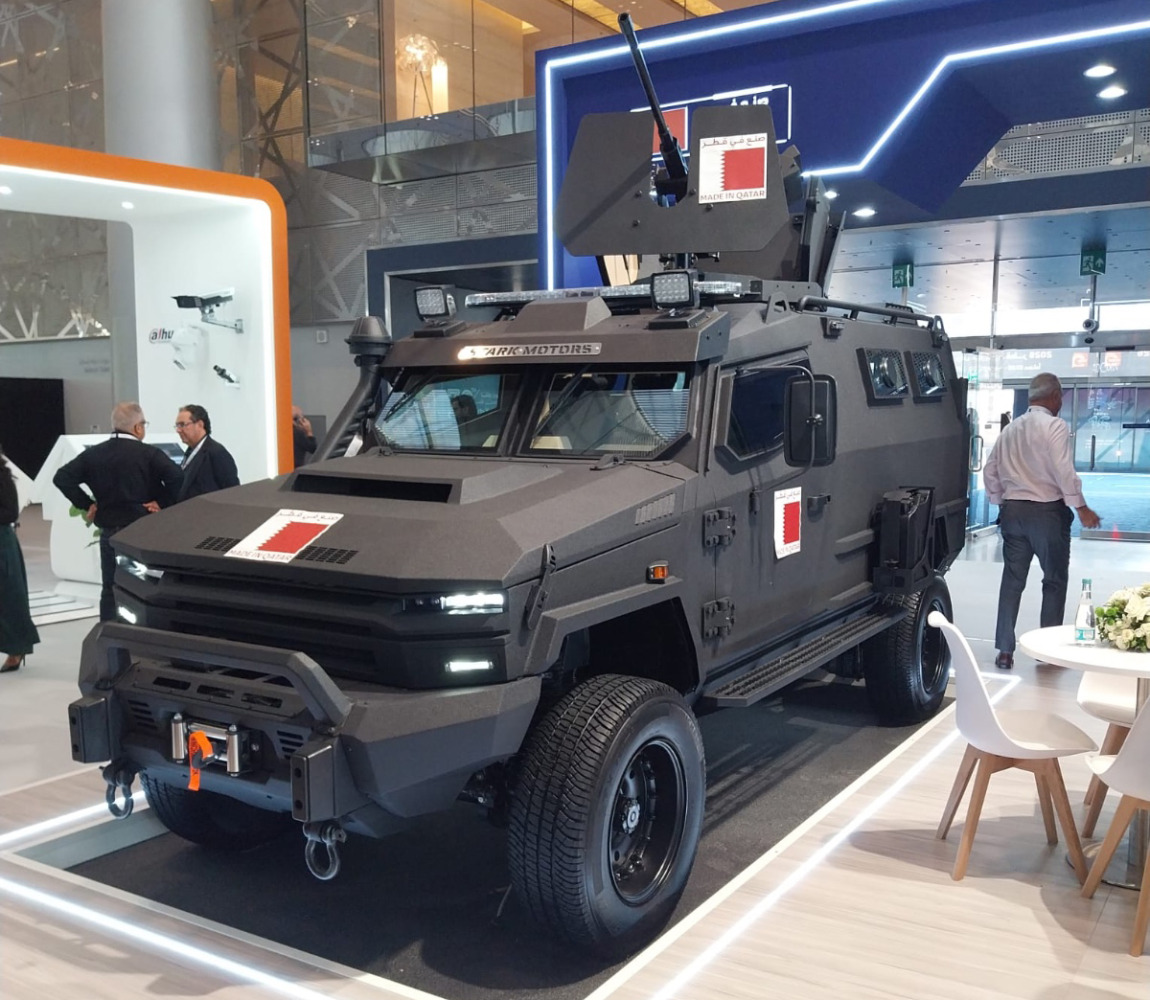 A Qatar-made armoured vehicle by Stark Motors on display at Milipol Qatar 2026.
General Manager of Stark Motors, Adel Hajjaj, said, “Digital capabilities are one part of this evolving landscape, but the development of Qatar’s defence industry also depends on its ability to manufacture specialised equipment locally. Stark Motors is among the companies operating in this segment, producing armoured and security vehicles for personnel transport, border patrols, event security and search-and-rescue operations.”
“Over the past 10 years, industry in Qatar has increasingly focused on developing local capabilities and meeting the country’s needs,” he said.
Hajjaj also highlighted logistical difficulties involving shipping, transportation and supplies, pointing to the importance of reliable supply chains in supporting domestic industrial development.
Addressing these constraints will be important as local manufacturers seek to strengthen production and meet operational requirements.
As Qatar continues to develop its defence and security sector, the focus is increasingly on building capabilities within the country while drawing on international expertise.
The objective is not simply to acquire advanced systems, but to strengthen the domestic industrial foundations needed to support them.