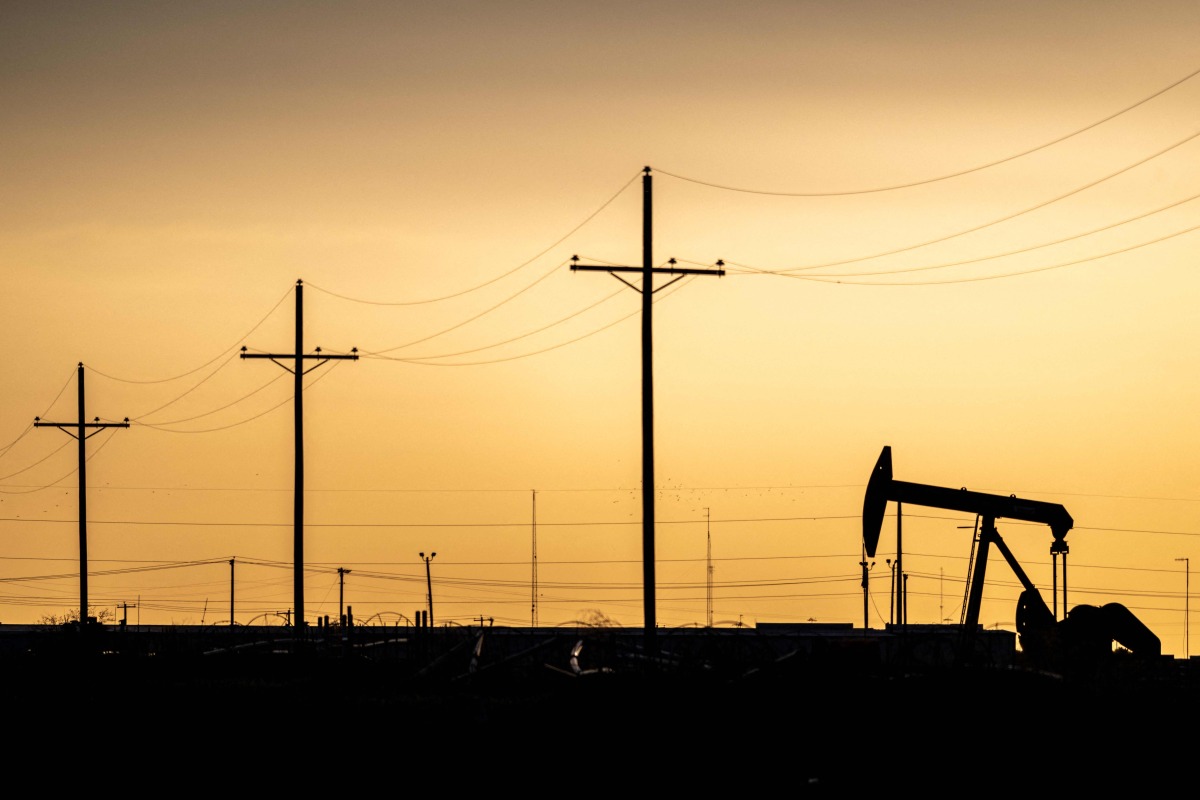
A pump jack is seen at sunset in Midland, Texas, US.
London: Oil prices jumped and equities slid yesterday as hopes for a peace deal between the US and Iran wavered after Tehran rejected Washington’s bid to wind down the nearly four-week war.
Markets had been buoyed this week by US President Donald Trump’s announcement that strikes targeting Iran’s energy infrastructure would be postponed, adding that the two sides were in peace talks.
But uncertainty over the talks and the virtual closure of the Strait of Hormuz -- through which around 20 percent of oil and liquefied natural gas normally passes -- have cast a shadow over market sentiment.
“The market rollercoaster continues,” said Joshua Mahony, chief market analyst at Scope Markets.

Joshua Mahony, chief market analyst at Scope Markets
Crude prices rallied more than nearly four percent yesterday, with Brent crude above $101 per barrel and WTI around $94.
The dollar rose against its main rivals.
Wall Street opened lower, with Europe’s main markets down in afternoon trading, while there were losses across Asia.
“When the oil price surges, the market playbook stays the same: stocks and bonds sell off,” said Kathleen Brooks, research director at XTB.
The yield on government bonds rose across the board.
Conflicting messages from the US and Iran are “raising questions about whether there is really an off-ramp to the conflict in the days ahead,” said Deutsche Bank’s Jim Reid.
Washington was said to have presented a 15-point plan to end the war, while Tehran’s state-run TV reported officials had put forward their own five conditions for hostilities to
end.
Trump on Wednesday threatened to “unleash hell” if Iran did not strike a deal, but Foreign Minister Abbas Araghchi said his country does not intend to negotiate with the administration in Washington.
“This is quite the shift in rhetoric from the President, and highlights how complex it will be” to reach a peace deal, said XTB’s Brooks.
She added that “the prospect of troops on the ground suggest a prolonged war and not one final blow at Iran.”
Pakistan’s Foreign Minister Ishaq Dar confirmed yesterday that indirect negotiations between the US and Iran were being held, using Islamabad as an intermediary.
“The tone taken by Iran may simply be posturing, but... there is a high likeliness they continue this conflict until energy prices reach uncomfortable levels,” Mahony said.
The OECD yesterday cut its eurozone growth outlook and forecast higher inflation for 2026 as energy prices have skyrocketed.
The conflict has also weighed on German consumer sentiment heading into April, a survey showed yesterday, adding to the woes facing Europe’s top economy.
France, which holds the G7 Presidency, will on Monday host a meeting bringing together the group’s finance ministers, energy ministers and central bank governors.
“Pressure on energy prices, shipping flows and broader financial conditions remains one of the few meaningful sources of leverage (Iran) retains,” said Saxo Markets’ Charu Chanana.