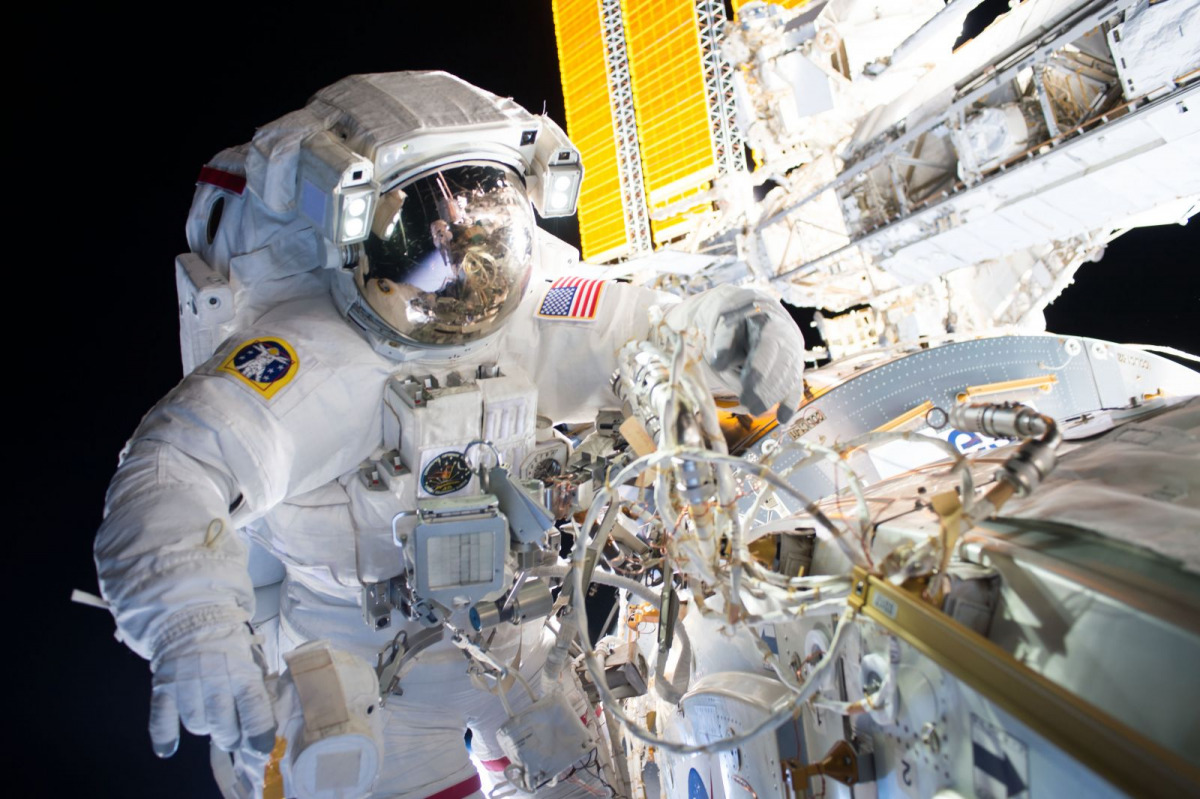
Miami: SpaceX's unmanned Dragon cargo ship splashed down Friday in the Pacific Ocean, returning a load of NASA research from the International Space Station, the US space agency said.
The capsule returned to Earth at 11:47 am (1547 GMT) southwest of the Mexican state of Baja California with more than 3,000 pounds (1,360 kilograms) of cargo.
Some of the experiments conducted on board should enable scientists to better understand the effects of long-duration spaceflight on the human body, as the National Aeronautics and Space Administration works toward its goal of sending people to Mars by the 2030s.
One examined how microgravity affects human heart cells, while another used lab mice to study how spaceflight affects DNA.
The return of the spacecraft caps the ninth resupply mission for the California-based SpaceX under a contract to ferry goods to the astronauts living at the ISS.
The Dragon launched from Cape Canaveral, Florida, last month and arrived at the space station July 20, carrying the first of two docking adaptors to allow commercial spacecraft to park at the space station in the coming years.
SpaceX's Dragon is the only cargo carrier in use that can return gear to Earth. Others, such as Orbital ATK's Cygnus, burn up on re-entry to Earth's atmosphere.
AFP