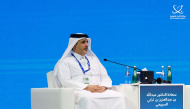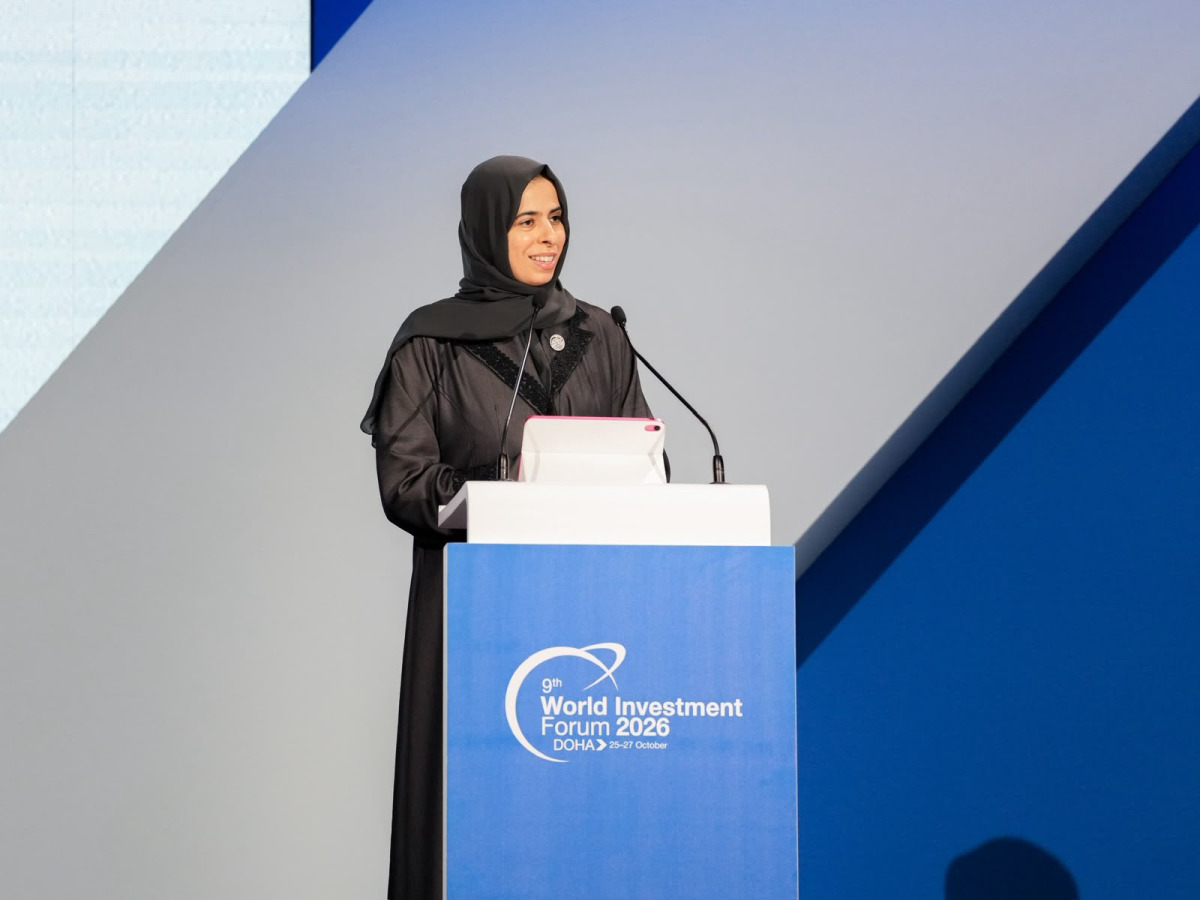
Minister of Education and Higher Education H E Lolwah bint Rashid Al Khater speaking at the World Investment Forum 2026.
Doha, Qatar: Qatar is investing in education infrastructure, skills development and equal learning opportunities through public-private partnerships, with a QR6.4bn programme to develop 22 schools, Minister of Education and Higher Education H E Lolwah bint Rashid bin Mohammed Al Khater has said.
Speaking at a high-level panel discussion titled “Investing in Skills, Talent and Entrepreneurship” at the World Investment Forum 2026, which Qatar is hosting for the second time, 14 years after its first edition in 2012, the minister stressed that investing in people is fundamental to national progress and prosperity.
“The most important investment any country can make is in its people,” she said, emphasising that human development, creativity and innovation are essential drivers of sustainable development.
“We do not accept that circumstances should define the limits of any child’s educational journey,” the minister said, highlighting the importance of ensuring that every child has access to learning opportunities regardless of their circumstances.
She explained that genuine investment extends beyond infrastructure and financial resources to include developing human capabilities and equipping individuals with the skills needed to contribute to economic and social progress.
Al Khater outlined several initiatives being implemented by the ministry in partnership with the private sector, including a QR6.4bn public-private partnership programme to develop 22 schools. The programme includes the construction of the world’s two largest schools using 3D-printing technology.
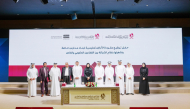
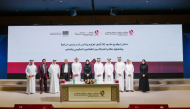
She also highlighted recently signed agreements with private-sector partners to establish four new private schools, which are expected to provide approximately 5,000 additional student places. The investment and operating expenditure associated with the schools are estimated at QR1.48bn over 25 years.
The minister also highlighted the expansion of the Community Responsibility Programme, which provides free and reduced-fee school places to Qatari students and children from low-income families.
Under the programme, the number of available places has increased from 40 to more than 18,000, significantly expanding access to education for eligible students. Contributions from programme partners are expected to exceed QR2bn over the next decade.
Addressing the impact of rapid technological advances and artificial intelligence on the global economy, Al Khater stressed that education could no longer be viewed as a process that ends with graduation. Instead, lifelong learning and continuous skills development have become essential to preparing the workforce for changing economic demands and emerging employment opportunities.
She described investment in future skills as both an economic necessity and a strategic choice, particularly as technological transformation reshapes industries and the nature of work. The minister also emphasised the importance of cooperation between the public and private sectors in expanding educational opportunities, developing talent and strengthening the competitiveness of economies.
She concluded by reaffirming Qatar’s commitment to welcoming partnerships and initiatives.