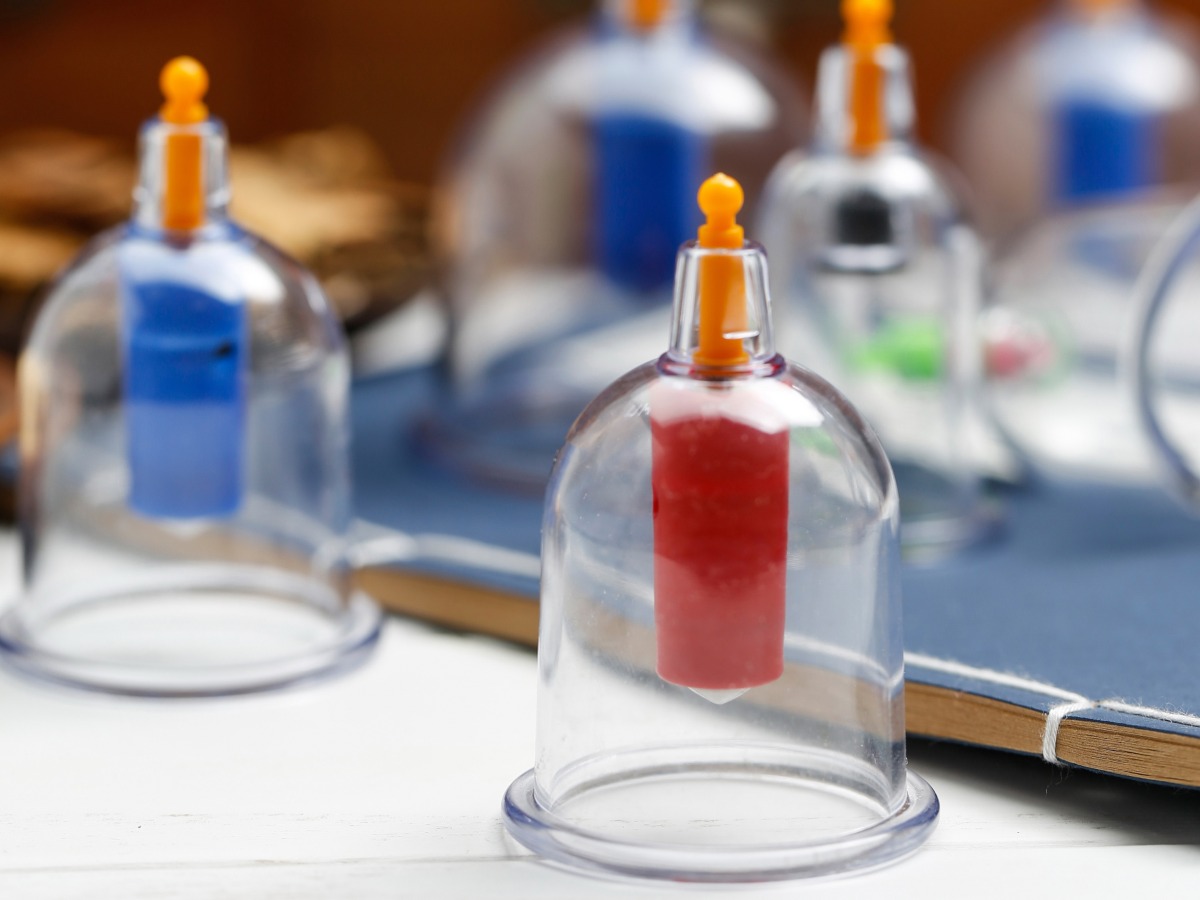
File picture used for representation
Doha, Qatar: Cupping therapy continues to gain attention as a complementary medical practice, particularly during the winter season when many people experience a rise in respiratory and immune-related illnesses.
Speaking on this topic, Dr. Maysoun Al-Abbadi, a cupping therapy specialist and a member of the Traditional, Complementary and Integrative Medicine Research Network Group at Qatar University, highlighted the medical benefits of cupping in winter and clarified common misconceptions surrounding its use.
Speaking to Al Rayyan TV recently, Dr. Al-Abbadi explained that many people prefer cupping therapy during winter due to the nature of seasonal illnesses that become more prevalent at this time of year.
Cold weather is often associated with an increase in colds, coughs, chest allergies, and immune-related conditions.
In addition, winter social habits, such as outdoor gatherings around firewood or in sandy environments, can aggravate respiratory sensitivities and allergic reactions, particularly among children and adults with asthma or weak immunity.
According to Dr. Al-Abbadi, cupping therapy plays an important role in strengthening the immune system, which in turn helps reduce the severity and frequency of cold symptoms, nasal congestion, and chest infections. “Many people mistakenly believe that cupping is only beneficial for muscle tension, rheumatism, or general fatigue,” she said.
“In reality, cupping can also support respiratory health and is beneficial for individuals who suffer from asthma or recurring asthma attacks, which often increase during the winter months.”
She added that winter is also associated with reduced water intake, as people tend to feel less thirsty compared to summer. This can contribute to headaches, including migraines, as well as joint pain and stiffness.
In such cases, cupping therapy may help improve blood circulation, reduce inflammation, and alleviate pain symptoms, making it a useful supportive treatment during colder months.
Dr. Al-Abbadi stressed, however, that despite its benefits, cupping therapy must be practiced with medical awareness and proper precautions.
Certain conditions require careful assessment before undergoing cupping. For instance, individuals who are taking blood thinners are advised not to undergo cupping therapy, as it may increase the risk of complications.
Similarly, patients with uncontrolled or poorly managed diabetes should avoid cupping until their condition is stabilised.
She also addressed the use of antibiotics, explaining that cupping therapy is not recommended while a person is actively taking antibiotic medication. “It is preferable to wait until the course of antibiotics has ended,” she noted, adding that undergoing cupping during antibiotic treatment may interfere with the body’s recovery process. Ideally, cupping can be performed several days or a week after completing the medication, depending on the individual’s condition. Regarding diabetes, Dr. Al-Abbadi clarified that patients with well-controlled diabetes can safely undergo cupping therapy.
In fact, when properly administered, cupping may offer additional benefits by supporting circulation and overall well-being for diabetic patients, provided their blood sugar levels are stable and monitored.
Dr. Al-Abbadi emphasized that cupping therapy, particularly in winter, can be a valuable complementary practice when performed under professional supervision.
By boosting immunity, easing respiratory symptoms, and relieving pain, cupping offers a holistic approach that supports physical health while respecting medical guidelines and individual conditions.