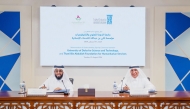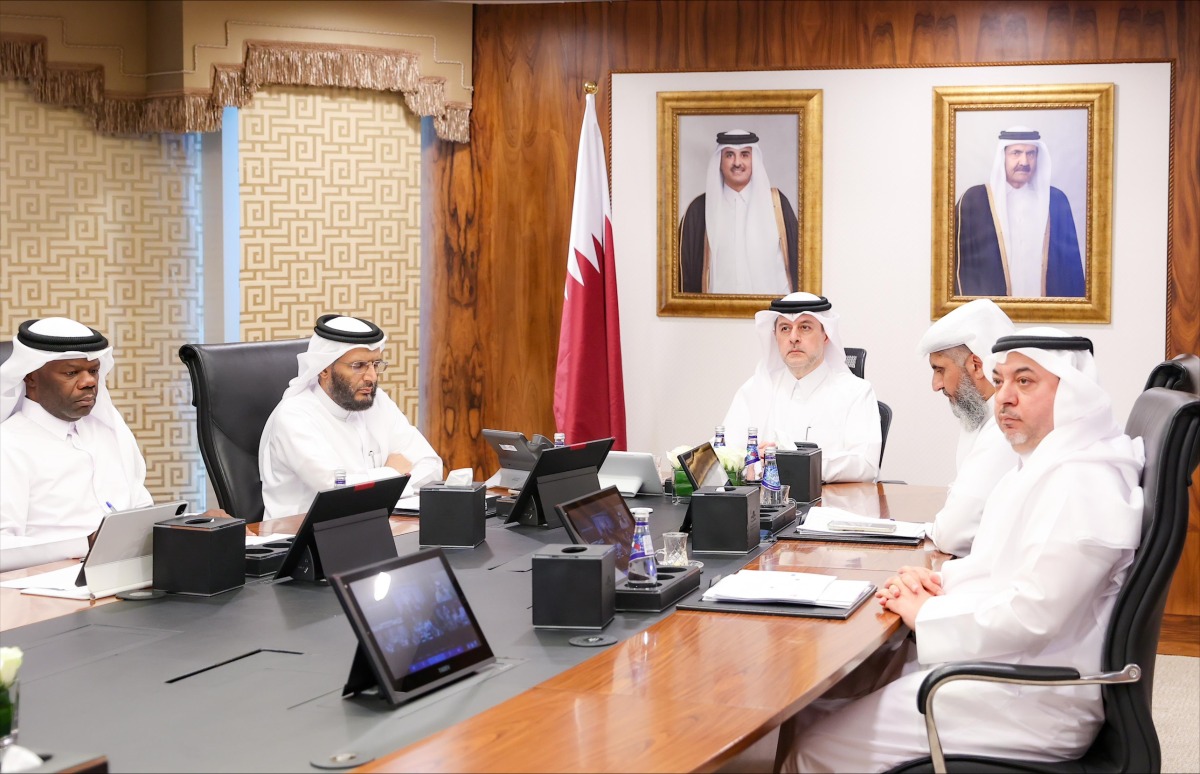
Kahramaa President Eng Abdullah bin Ali Al-Thiyab during the meeting held via videoconference.
Doha, Qatar: President of Qatar General Electricity and Water Corporation (Kahramaa) Eng. Abdullah bin Ali Al-Thiyab headed Qatar’s delegation to the extraordinary meeting of the GCC Electricity and Water Cooperation Committee, which was held via videoconference to discuss the latest developments in the preparation of a study on the feasibility of establishing water interconnection projects among the Gulf Cooperation Council (GCC) member states.
The meeting was convened in implementation of the directives of the GCC leaders and the relevant resolutions of the GCC Ministerial Council.
Participants reviewed the overall framework of the proposed study, its objectives, and the suggested implementation phases. These include assessing the current status of water infrastructure across GCC countries, developing scenarios and options for water interconnection, establishing institutional and governance frameworks, and preparing an implementation roadmap outlining priorities, timelines, implementation mechanisms, and follow-up procedures. The meeting also examined a number of international experiences in water interconnection and explored how these could be utilised in developing the GCC study.
Eng Al-Thiyab emphasised that Qatar, represented by Kahramaa, attaches great importance to strengthening joint Gulf cooperation and supporting initiatives that enhance the security and sustainability of the electricity and water sectors.
He said, “Qatar, through Kahramaa, places great importance on advancing joint GCC action and supporting initiatives that contribute to enhancing the security and sustainability of the electricity and water sectors, based on its belief in the importance of integration among GCC member states in addressing future challenges, achieving shared interests, and ensuring the sustainability of vital resources and services.”
He added that preparing a comprehensive and specialized study on water interconnection represents an important step toward developing a strategic vision based on international best practices while taking into account technical, economic, operational, and governance aspects. This, he noted, would ensure that future decisions are grounded in scientific principles and achieve the highest levels of efficiency and reliability.
At the conclusion of the meeting, the committee discussed the next steps for completing the study, including organizing a workshop with the participation of senior officials from GCC member states and completing the collection of the necessary data and technical studies. The study’s findings and recommendations will then be presented to the GCC Electricity and Water Cooperation Committee at its next meeting before being submitted to the GCC Ministerial Council for consideration.