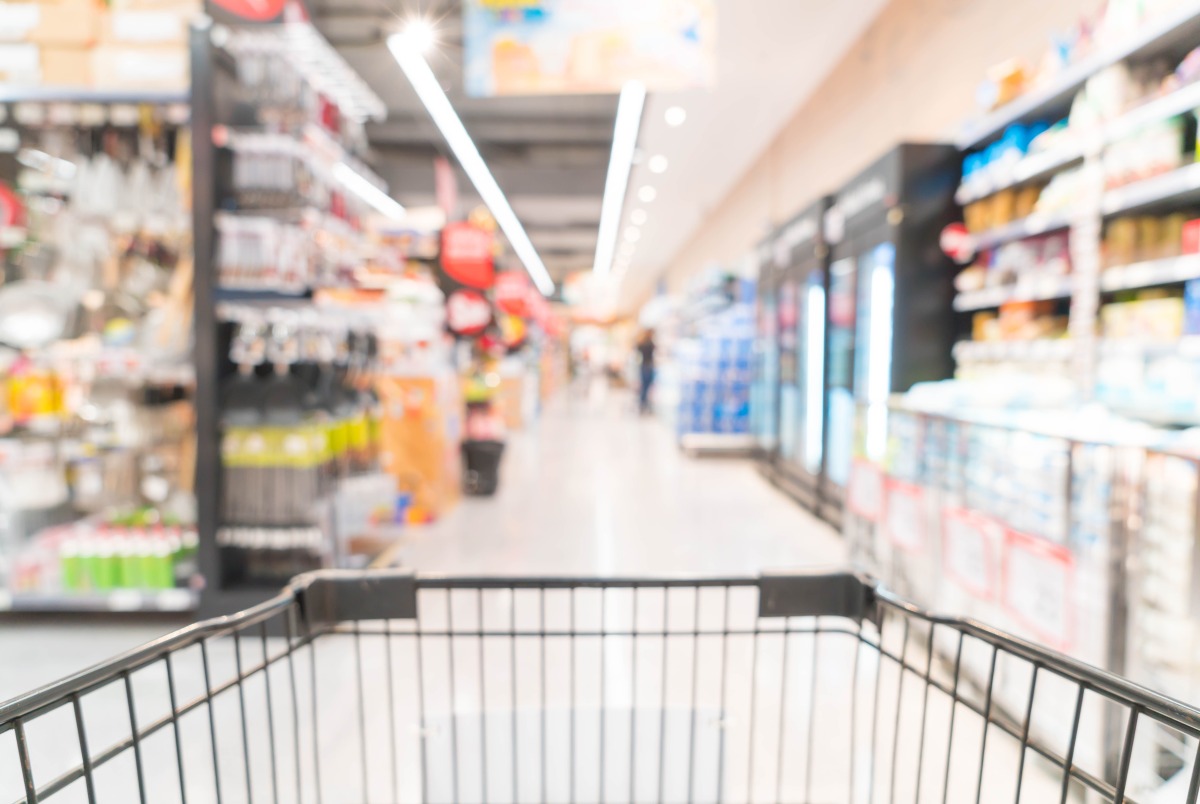
Image used for representation only.
Doha, Qatar: The General Tax Authority has released a comprehensive guide outlining the implementation of Qatar's new Excise Tax Tiered Volumetric Model on Sweetened Drinks, which will come into effect on July 6, 2026.
The comprehensive guide provides simplified explanations on how the excise tax will be applied to products classified as a "sweetened drink" in Qatar. The guide also details compliance requirements, registration procedures and reporting obligations for affected businesses in the country.
Based on the framework, a sweetened drink is a product to which a source of sugar or an artificial sweetener is added and is intended for consumption as a drink. This includes ready-to-drink beverages, concentrates, powders, gels, extracts and any other form that can be converted into a drink.
Under the new model, these drinks will be classified according to their total sugar content (both natural and added) per 100ml rather than applying a fixed uniform tax rate, which means that the tax rate hikes as the sugar level increases.
Drinks that have low (total) sugar content (less than 5 grams of sugar per 100ml) will be exempt from excise tax, while beverages that has medium (total) sugar content (5g up to 7.99g of sugar per 100ml) will be subject to a tax of QR0.77 per litre. Drinks containing that contain high (total) sugar content (greater than or equal to 8g per 100ml) will incur a higher rate of QR1.06 per litre. Beverages containing only artificial sweeteners and no added sugar will also be exempt from the tax.
The guide also outlines several products that fall outside the scope of the excise tax model, including 100 percent natural fruit and vegetable juices with no added sugar, milk and dairy products, infant formula, meal replacement products, beverages for special medical purposes, and drinks prepared in restaurants and served directly to customers in open containers.
The authority also detailed the categories of persons liable to pay excise tax, excise tax return requirements under the new model, and transitional measures for businesses.
The new model was introduced as part of Qatar's efforts to promote public health and encourage healthier consumption habits. The full guide is available through the GTA and Dhareeba platforms.