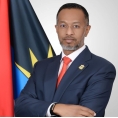
Dr Mohamed Kirat
By Dr Mohamed Kirat
The International Public Relations Association — Gulf Chapter organised last Monday in Katara a forum on “What do the media expect from public relations”. The topic is of course an ongoing debate for decades among practitioners, academics and researchers not only here in Qatar and in the region but all over the world.
The relationship between the news media and the PR industry is a complex and increasingly symbiotic one. The media is the central vehicle for much of the PR industry’s messages. PR practitioners want to place their stories in the news or other publications and programmes. Without being able to do this, PR would lose one of its main avenues for communication with the public. The media in turn has become more dependent on PR to supply content to fill air time or column inches. Whilst newspapers have been steadily shedding staff over the last couple of decades they have simultaneously managed to produce ever thicker publications, and the ever growing ranks of PR are happy to help fill the pages.
Both PR and media are interdependent, they need each other. Public relations departments need the media to publicise the activities, programmes and projects of their organisations to keep their ‘publics’ informed and to adapt them to the organisation. Working with the media on behalf of an organisation allows for awareness of the entity to be raised as well as the ability to create an impact with a chosen audience.
It allows access to both large and small target audiences and helps in building public support and mobilising public opinion for an organisation.
This is all done through a wide range of media and can be used to encourage two-way communication. They have to get publicity, they have to be in direct contact with their stakeholders and publics. They have to get publicity to build the image for their organisation. Nowadays an organisation without image has no presence in public opinion which means it will face many problems to compete and be in the business.
On the other hand, the media need public relations departments to provide them with the news about their organisations. The media cannot be everywhere to cover all the activities in society and fulfill their responsibility towards the public who has the right to know. With the fast expansion and complexity of all kinds of organisations and institutions, the media have no other choice but to rely on public relations.
The problem however resides in the fact that, in a way, there is a conflict of interest. The power of the big agencies and spin doctors goes beyond providing news to the media.
As the primary point of contact between businesses and the media, PR people can control access to information which journalists want. This gives them tremendous leverage in negotiating with journalists, as they are in a position to refuse information. The public relations departments through their media relations seek to present a positive image about their organisations. Their objective is to influence the public to have a good image and a positive impression about the organisation.
The late Edward Bernays in his book “Crystallizing Public Opinion” explained how public relations’ main mission is to influence public opinion for a mutual adaptation between the organisation and the ‘publics’. On the other hand, the media by definition are there to investigate and to look for what the public needs to know, what’s not working right in various institutions and organisations in society.
The Americans called it “the watchdog press”, the ‘Fourth Estate’ that looks after and assures surveillance on the three others: Judiciary, legislature and executive. What bothers journalists the most is the pragmatic approach of public relations departments, who if they are not professional tend to practice spin doctoring by focusing always on the positive aspects of the organisation and hiding anything that would harm the reputation of their organisation and put it at risk in the court of public opinion.
Journalists are responsible to society and public opinion to report all the events and happenings and mainly those that are at odds with human nature, society, the general order and the law.
What should be done to have a professional, respectful, healthy, fruitful and successful relationship between the media and public relations?
Public relations practitioners should be aware of the impact of the new media on society. Internet, social networks are part of our lives nowadays and the public can get access to a huge volume of information, news and data about the various components of society.
This means that the best way to communicate with the public through the media is to be transparent, frank and to tell it all.
According to James Grunig, a prominent public relations scholar, a two way symmetric model of communication is the ideal approach to have a healthy, productive and fruitful relationship between any organisation and its stakeholders. Both public relations practitioners and journalists should respect each other and work closely to achieve the public interest and the welfare of society.
This is to say that the media and the public relations departments should promote transparency, democracy and sustainable development. This can only be achieved by being professional and respecting the ethics of one’s profession. Public relations practitioners should never lie to a reporter. As a PR practitioner, if you don’t know an answer, simply say so, but add that you will be happy to find out and get back to them.
If you are allowed to discuss a particular aspect, again, say so, but never lie. Your lie will be discovered, and a good story will turn bad.
Learn from others. Invite friendly media people to come to your organisation to give workshops on interviews, and other topics. Understand the media people you are trying to influence and make sure they understand you.
Media people should work with PR departments professionally, should do their job according to the general interest of society and should provide the public opinion with all the information it needs to know.
Democracy depends on journalism.
The writer is a professor of Public Relations and Mass Communication at the College of Arts and Sciences, Qatar University.
The Peninsula
By Dr Mohamed Kirat
The International Public Relations Association — Gulf Chapter organised last Monday in Katara a forum on “What do the media expect from public relations”. The topic is of course an ongoing debate for decades among practitioners, academics and researchers not only here in Qatar and in the region but all over the world.
The relationship between the news media and the PR industry is a complex and increasingly symbiotic one. The media is the central vehicle for much of the PR industry’s messages. PR practitioners want to place their stories in the news or other publications and programmes. Without being able to do this, PR would lose one of its main avenues for communication with the public. The media in turn has become more dependent on PR to supply content to fill air time or column inches. Whilst newspapers have been steadily shedding staff over the last couple of decades they have simultaneously managed to produce ever thicker publications, and the ever growing ranks of PR are happy to help fill the pages.
Both PR and media are interdependent, they need each other. Public relations departments need the media to publicise the activities, programmes and projects of their organisations to keep their ‘publics’ informed and to adapt them to the organisation. Working with the media on behalf of an organisation allows for awareness of the entity to be raised as well as the ability to create an impact with a chosen audience.
It allows access to both large and small target audiences and helps in building public support and mobilising public opinion for an organisation.
This is all done through a wide range of media and can be used to encourage two-way communication. They have to get publicity, they have to be in direct contact with their stakeholders and publics. They have to get publicity to build the image for their organisation. Nowadays an organisation without image has no presence in public opinion which means it will face many problems to compete and be in the business.
On the other hand, the media need public relations departments to provide them with the news about their organisations. The media cannot be everywhere to cover all the activities in society and fulfill their responsibility towards the public who has the right to know. With the fast expansion and complexity of all kinds of organisations and institutions, the media have no other choice but to rely on public relations.
The problem however resides in the fact that, in a way, there is a conflict of interest. The power of the big agencies and spin doctors goes beyond providing news to the media.
As the primary point of contact between businesses and the media, PR people can control access to information which journalists want. This gives them tremendous leverage in negotiating with journalists, as they are in a position to refuse information. The public relations departments through their media relations seek to present a positive image about their organisations. Their objective is to influence the public to have a good image and a positive impression about the organisation.
The late Edward Bernays in his book “Crystallizing Public Opinion” explained how public relations’ main mission is to influence public opinion for a mutual adaptation between the organisation and the ‘publics’. On the other hand, the media by definition are there to investigate and to look for what the public needs to know, what’s not working right in various institutions and organisations in society.
The Americans called it “the watchdog press”, the ‘Fourth Estate’ that looks after and assures surveillance on the three others: Judiciary, legislature and executive. What bothers journalists the most is the pragmatic approach of public relations departments, who if they are not professional tend to practice spin doctoring by focusing always on the positive aspects of the organisation and hiding anything that would harm the reputation of their organisation and put it at risk in the court of public opinion.
Journalists are responsible to society and public opinion to report all the events and happenings and mainly those that are at odds with human nature, society, the general order and the law.
What should be done to have a professional, respectful, healthy, fruitful and successful relationship between the media and public relations?
Public relations practitioners should be aware of the impact of the new media on society. Internet, social networks are part of our lives nowadays and the public can get access to a huge volume of information, news and data about the various components of society.
This means that the best way to communicate with the public through the media is to be transparent, frank and to tell it all.
According to James Grunig, a prominent public relations scholar, a two way symmetric model of communication is the ideal approach to have a healthy, productive and fruitful relationship between any organisation and its stakeholders. Both public relations practitioners and journalists should respect each other and work closely to achieve the public interest and the welfare of society.
This is to say that the media and the public relations departments should promote transparency, democracy and sustainable development. This can only be achieved by being professional and respecting the ethics of one’s profession. Public relations practitioners should never lie to a reporter. As a PR practitioner, if you don’t know an answer, simply say so, but add that you will be happy to find out and get back to them.
If you are allowed to discuss a particular aspect, again, say so, but never lie. Your lie will be discovered, and a good story will turn bad.
Learn from others. Invite friendly media people to come to your organisation to give workshops on interviews, and other topics. Understand the media people you are trying to influence and make sure they understand you.
Media people should work with PR departments professionally, should do their job according to the general interest of society and should provide the public opinion with all the information it needs to know.
Democracy depends on journalism.
The writer is a professor of Public Relations and Mass Communication at the College of Arts and Sciences, Qatar University.
The Peninsula