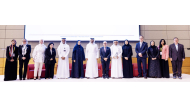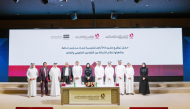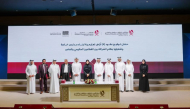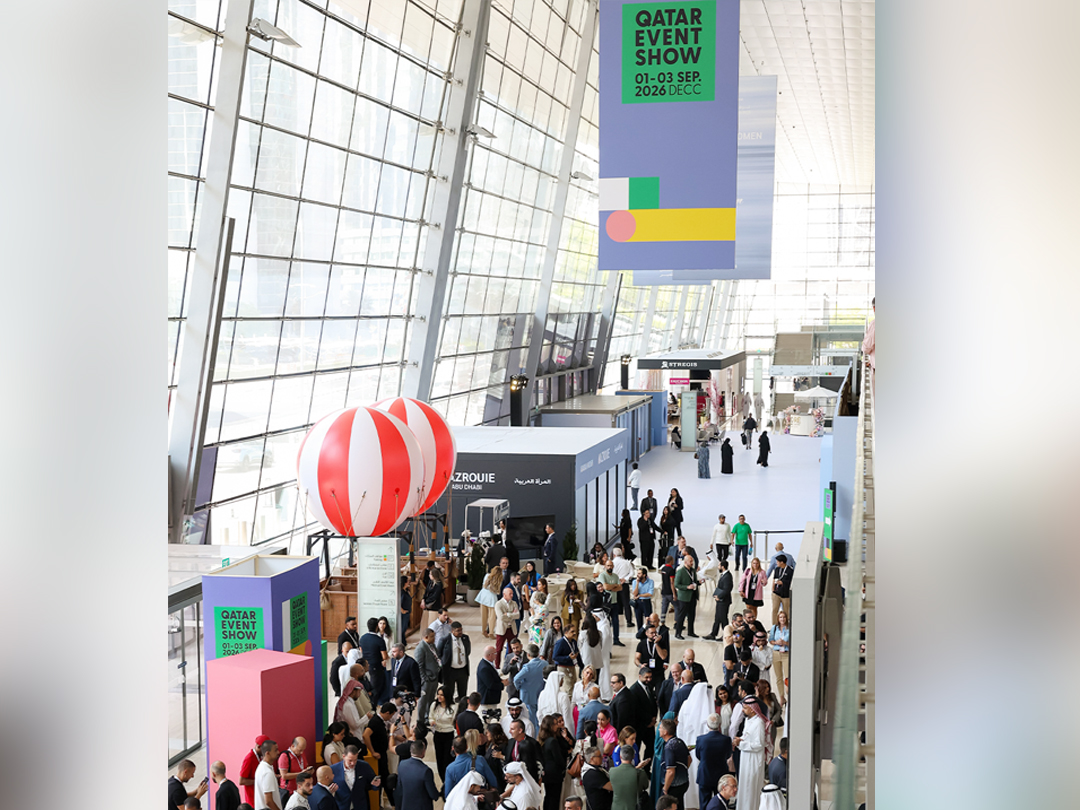
Visitors during the event taking place at DECC.
Doha, Qatar: The second edition of Qatar Event Show (QES) 2026 opened yesterday at the Doha Exhibition and Convention Center (DECC), bringing together senior industry leaders, international associations, event organisers, venues, agencies, suppliers, technology providers and decision-makers.
The three-day event, which runs from September 1 to 3 and is supported by Qatar Calendar, has recorded significant growth from its inaugural edition, with the exhibition expanding by approximately 100 percent and its conference programme more than doubling in scale.
More than 50 exhibitors are participating in the event, which is expected to attract over 5,000 delegates. The programme features more than 30 keynote addresses, panel discussions and workshops, offering a platform for business, knowledge exchange, networking and industry engagement.
In attendance at the event were CEO of Visit Qatar Eng. Abdulaziz Ali Al-Mawlawi, UFI CEO and Managing Director Chris Skeith OBE, and other dignitaries.
Organised by Mangusteen, QES combines a specialised business-to-business exhibition with a high-level conference programme, workshops, live demonstrations, networking and business-matching opportunities. The event brings together stakeholders from across the events and meetings, incentives, conferences and exhibitions (MICE) value chain under one roof.
The expansion of QES comes as Qatar continues to strengthen its position as a destination for international exhibitions, conferences, business events and major global experiences. The event also reflects the continued evolution of the regional events industry, driven by technological developments, changing audience expectations and increasing demand for professionally delivered experiences.
CEO of Mangusteen Malik Shishtawi said Qatar Event Show was established to bring together key stakeholders in the events ecosystem and support the sector’s long-term development.
The growing economic and strategic role of the events industry is a key focus of this year’s conference programme, which opened under the theme “The New Event Economy: Scale, Complexity & Opportunity.” The sessions examine the expanding contribution of events to economic activity, tourism, investment, knowledge exchange and destination development.
Opening-day discussions covered a range of issues shaping the future of the industry, including the development of local event ecosystems, events as a global economic engine, production management, experience design in an increasingly digital environment, knowledge diplomacy through association events, venue development and large-scale event delivery.
The programme over the remaining two days will focus on technology, creativity, sustainability, strategic partnerships, mega-event logistics and artificial intelligence. Other topics include women in events leadership, workforce development, profitability, regulation and the skills and business models expected to influence the sector in the coming years.