Doha: Under the patronage and in the presence of Minister of Interior and Commander of the Internal Security Force "Lekhwiya" HE Sheikh Khalifa bin Hamad bin Khalifa Al-Thani, the activities of the joint tactical exercise of the security agencies of the Gulf Cooperation Council (GCC) states, titled "Arabian Gulf Security (4)", concluded Wednesday. The exercise was hosted by the State of Qatar over a period of (11) days.
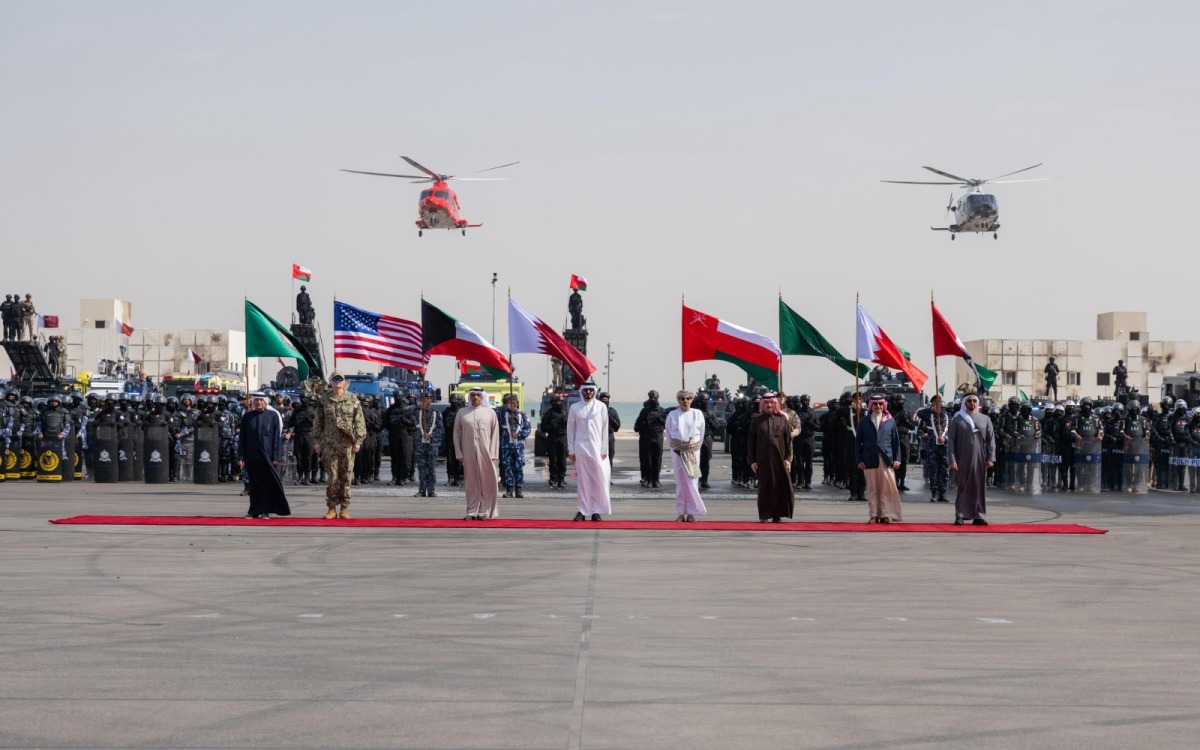
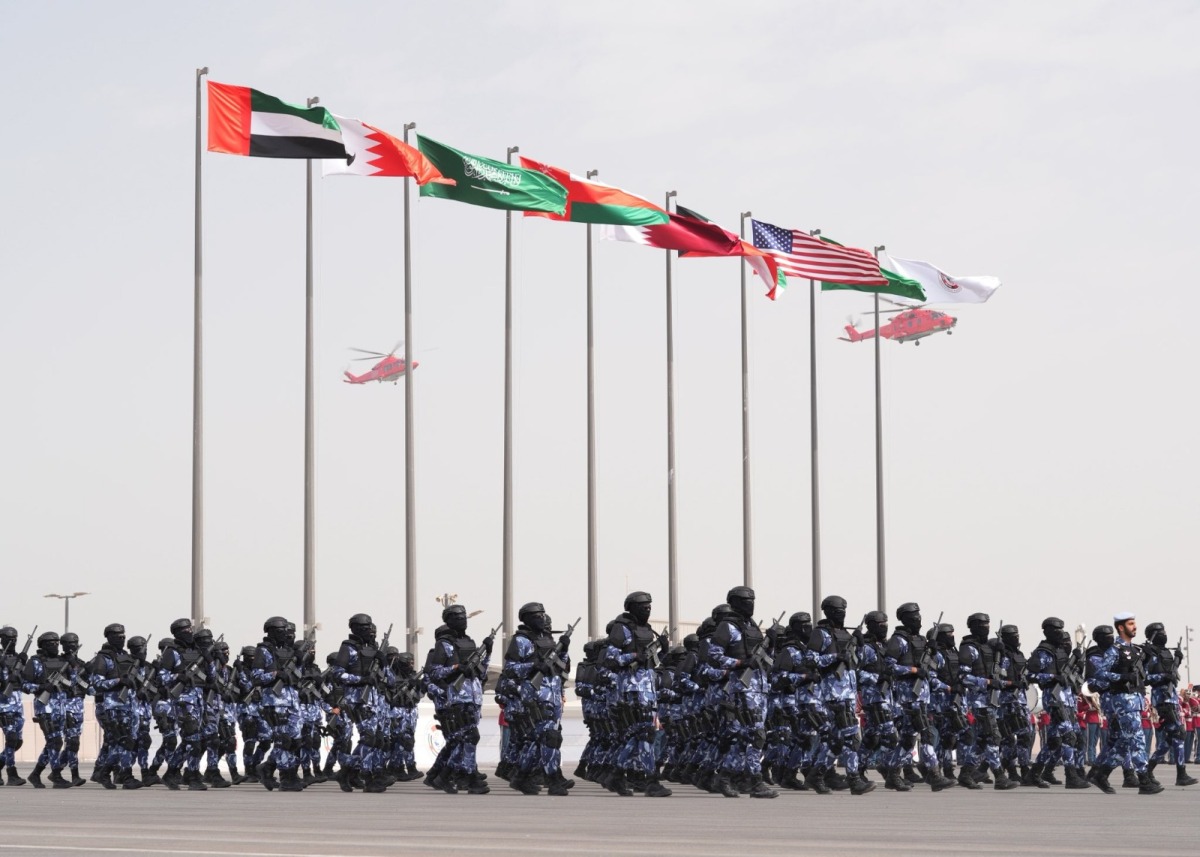
The exercise activities were attended by the security agencies and forces of the GCC states, in addition to specialized units from the friendly United States of America.
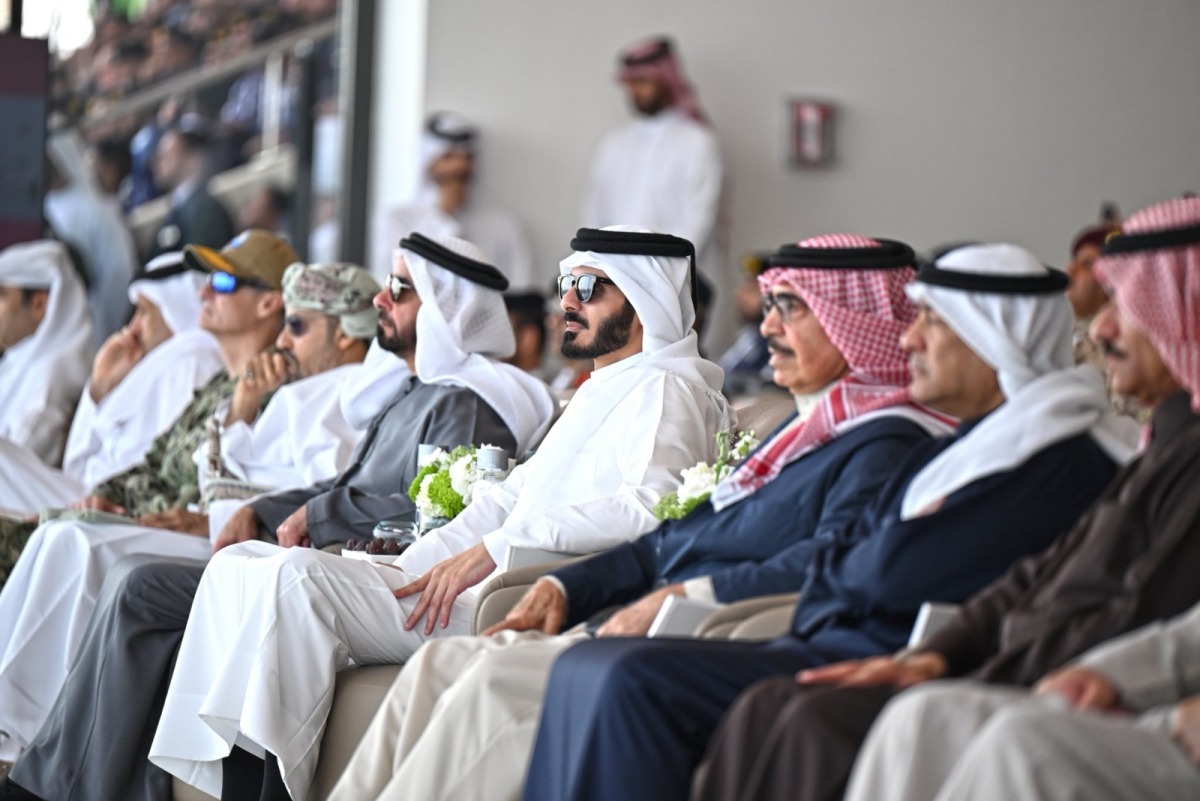
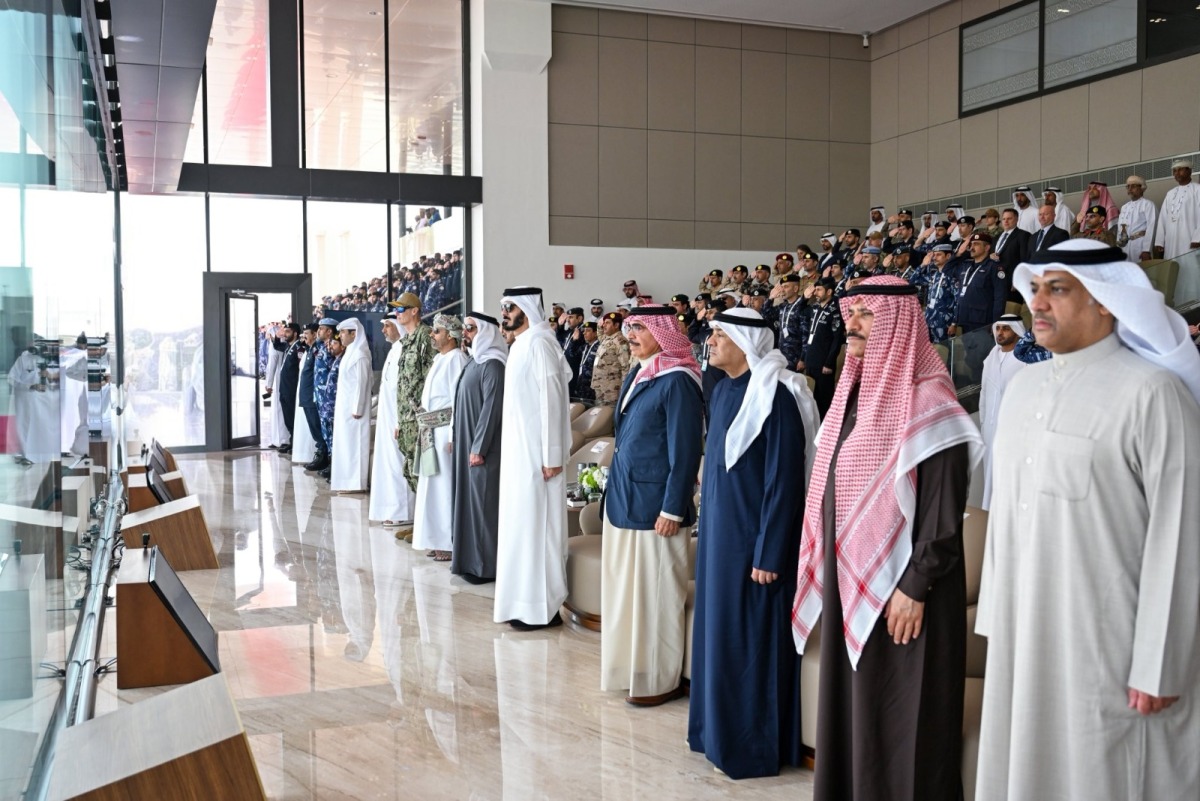
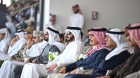
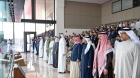
The closing ceremony was attended by Deputy Prime Minister and Minister of Interior of the United Arab Emirates HH Lieutenant General Sheikh Saif bin Zayed Al Nahyan, Minister of Interior of the Kingdom of Bahrain HE Lieutenant General Sheikh Rashid bin Abdullah Al Khalifa, Minister of Interior of the Sultanate of Oman HE Sayyid Hamoud bin Faisal Al Busaidi, Undersecretary of the Ministry of Interior of the Kingdom of Saudi Arabia HE Dr. Khalid bin Mohammed Al Battal, and Undersecretary of the Ministry of Interior of the State of Kuwait HE Major General Abdul Wahab Ahmed Al Wheib.
The closing ceremony was also attended by Secretary General of the Gulf Cooperation Council HE Jasem Mohammed Al Budaiwi, and HE Vice Admiral Curt Renshaw, Commander of the U.S. Naval Forces Central Command, Commander of the U.S. Fifth Fleet, and Commander of the Combined Maritime Forces, in addition to a number of senior officials and officers from the Ministries of Interior of the GCC states.
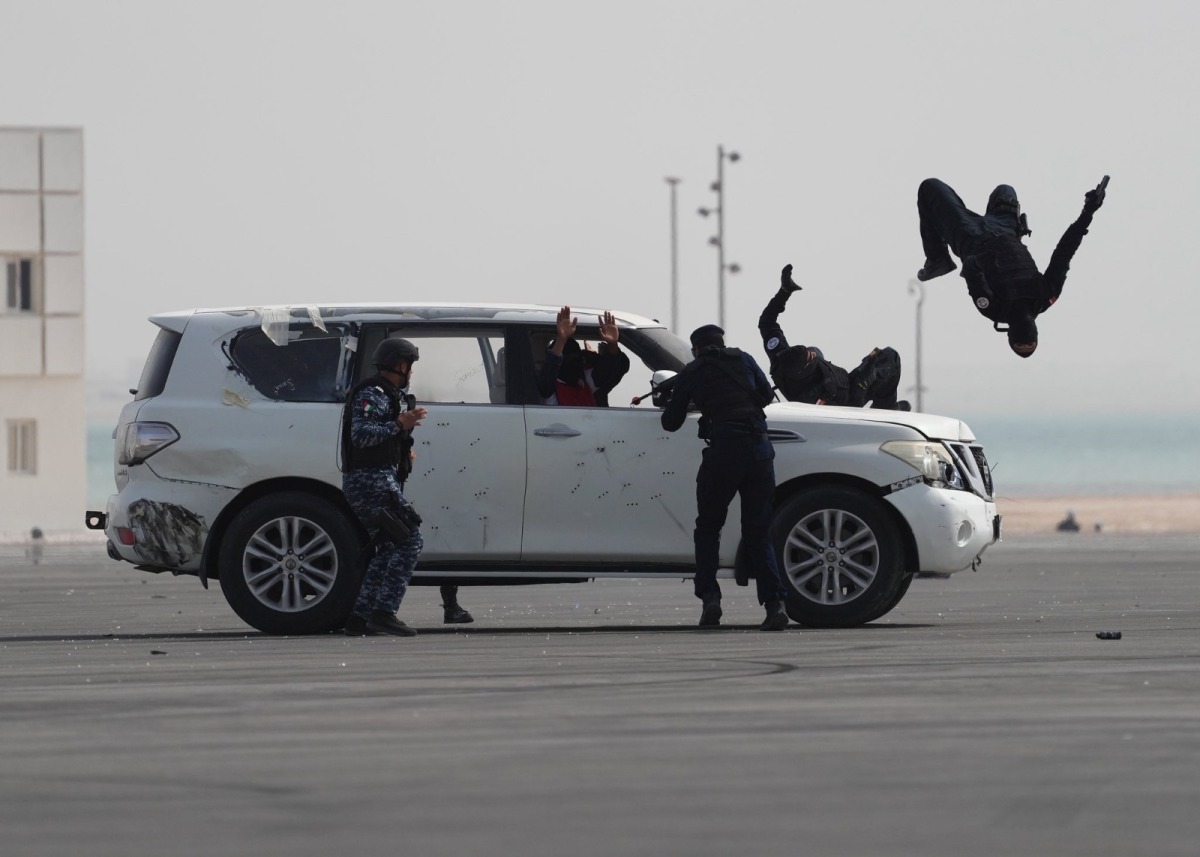
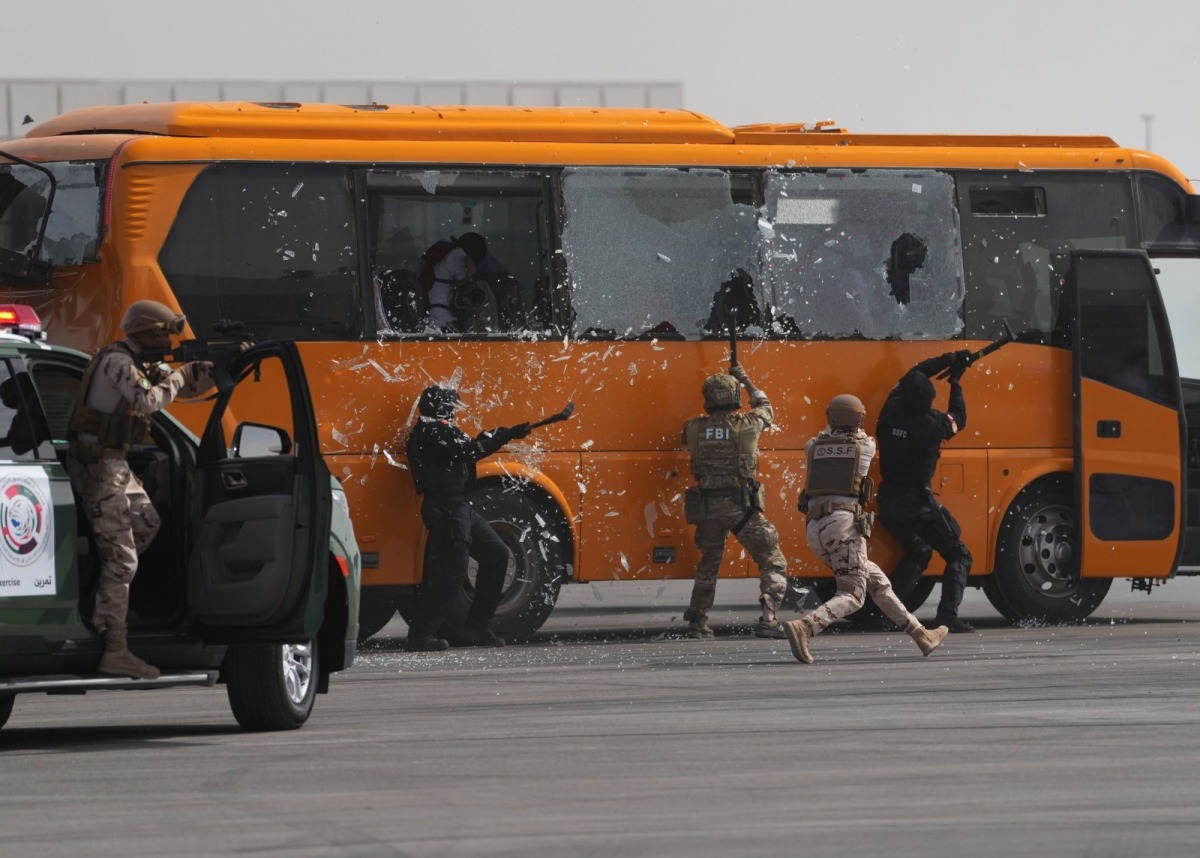
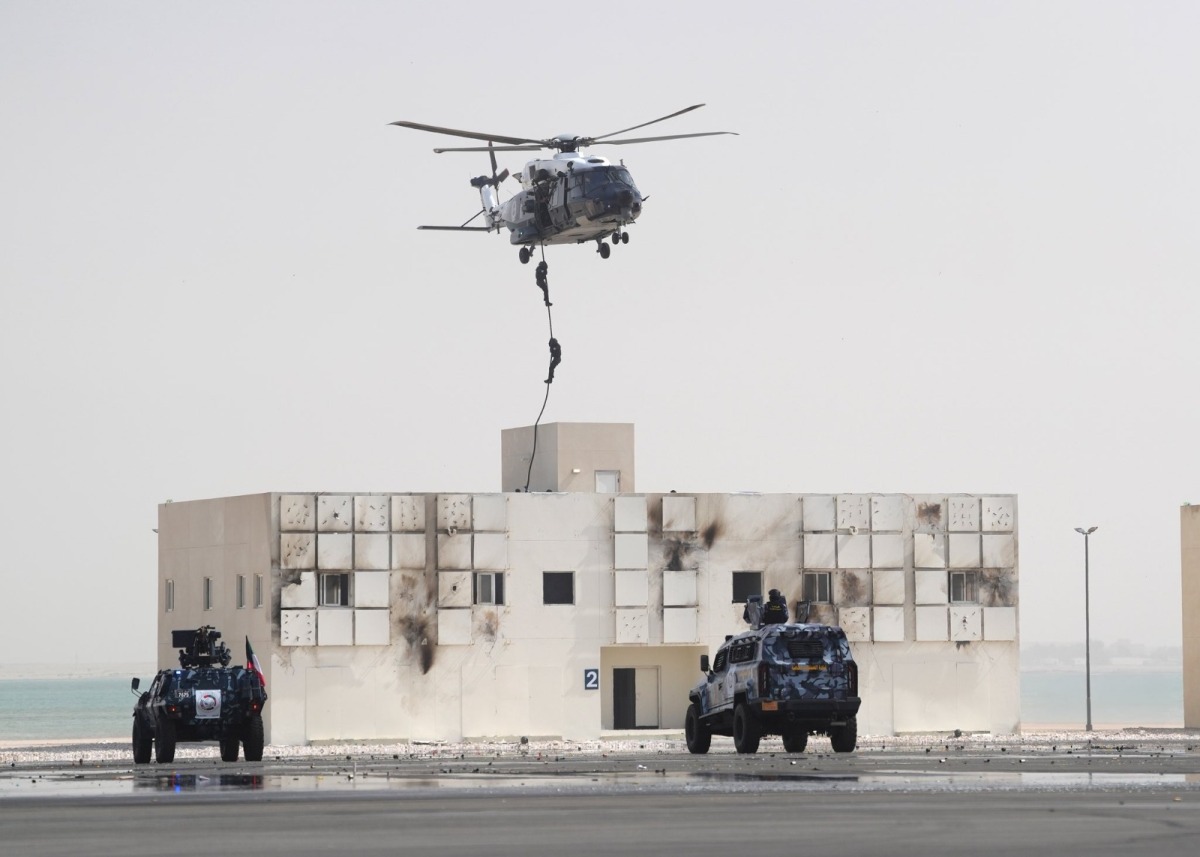
The ceremony included the implementation of various security hypotheses and scenarios carried out by the joint GCC security agencies with the participation of specialized units from the United States of America.
These field operations demonstrated a high level of readiness, professionalism, and advanced capability in confronting security challenges. They also reflected the efficiency of field and operational coordination among the participating forces and their rapid response in dealing with incidents, contributing to the enhancement of joint Gulf security cooperation.
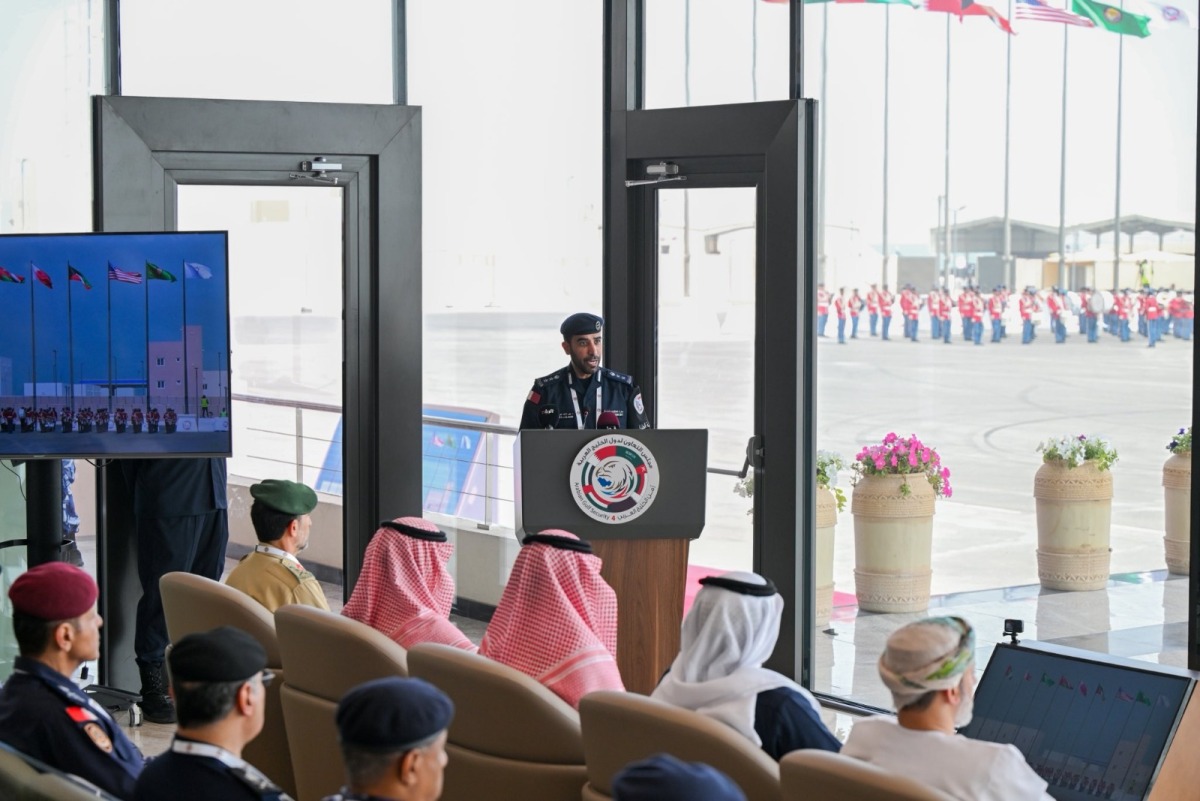
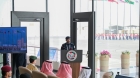
At the beginning of the ceremony, Assistant Director of the Public Relations Department and Official Spokesperson of the Ministry of Interior Colonel Dr. Jabr Hamoud Jabr Al Nuaimi delivered a briefing on the main segments of the ceremony and the security scenarios and hypotheses it included.
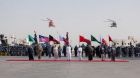
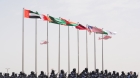
The ceremony began with a military parade by the Ministry of Interior and the Internal Security Force (Lekhwiya), featuring various military formations that reflected the level of continuous training, integration among different security specializations, and adherence to professional standards. This was followed by the implementation of hypotheses simulating real security threats and highlighting the readiness and efficiency reached by the joint GCC security forces.
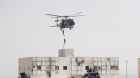
The hypotheses embodied diverse security scenarios, including confronting unconventional aerial threats, addressing riots and terrorist attacks, protecting high-profile figures from complex attacks, and conducting counterterrorism operations in populated areas.
Subsequently, vehicles and equipment were displayed in the field, reflecting the qualitative and specialized capabilities of the joint GCC security forces and demonstrating aspects of practical integration. The display also highlighted ongoing development in readiness and equipment, as well as the level of integration in resources and capabilities within a unified Gulf framework.
During the ceremony, a visual presentation was shown documenting the external scenarios that were implemented. The video also highlighted the military and sports competitions held among the participating states, which were organized for the first time with the aim of enhancing team spirit, reinforcing cohesion, and raising readiness through competitions that reflect fitness, discipline, and professionalism.
The conclusion of the exercise comes after days of intensive fieldwork, during which more than (70) training hypotheses were implemented, exceeding (260) hours of practical training. These activities included realistic simulations of various security challenges, crisis management, and complex incidents, contributing to testing operational plans, enhancing role integration among leaderships, command and control rooms, and specialized units, and raising levels of readiness and rapid field response.
This embodied the depth of joint Gulf security cooperation and coordination, and reflected the professionalism, operational discipline, and advanced capability of GCC security agencies to unify concepts and procedures and operate within an integrated security system.
"Arabian Gulf Security (4)" represents an advanced milestone in the path of joint Gulf security cooperation, and a practical platform for consolidating strategic partnerships, building capabilities, and developing readiness, thereby supporting the security and stability of GCC states, safeguarding their developmental achievements, and enhancing the safety of Gulf societies.
The supreme committee of the joint tactical exercise organized a concurrent security exhibition at Qatar Mall from Jan. 30 to Feb. 4. The exhibition featured pavilions for the countries participating in the exercise, through which they showcased their field efforts and various contributions, in addition to awareness materials and documentary films.
It also presented a range of innovations, smart systems, and the latest security technologies in the fields of security and policing, reflecting the level of readiness and development of the security system.
The joint tactical exercise comes in implementation of the decisions of Their Highnesses and Excellencies Ministers of Interior of the GCC states. It aims to enhance the Gulf security cooperation framework and raise levels of readiness and joint coordination in line with the evolving nature of security challenges, while strengthening the ability to respond effectively and rapidly to crises and emergency situations in accordance with best practices and approved standards.
Assistant Undersecretary of the Ministry of Interior for Technical and Specialized Affairs Major General (Staff) Abdullah bin Mohammed Al Suwaidi, who also serves as head of the committee, commended the efforts of HE the Minister of Interior and Commander of the Internal Security Force (Lekhwiya), for his direct patronage of the exercise, his unlimited support for all procedures and plans, and his keenness to continuously follow up on all stages of the exercise.
He noted that His Excellency's commitment to ensuring the success of the training had a significant impact on the success of the exercise and the achievement of the highest targeted standards. He also extended his thanks to all participating forces and agencies.
He affirmed that the exercise achieved its planned objectives in strengthening cooperation and joint coordination among GCC states, noting that the accomplishments of the past few days reflected the sense of brotherhood and unity, while also demonstrating the ability of Gulf forces to deal with various security challenges and protect the gains of the GCC states.
Major General Al Suwaidi noted that the conclusion of the exercise came after days of intensive fieldwork, during which more than 70 training scenarios were implemented, exceeding 260 hours of practical training. These included realistic simulations of various security challenges, crisis management, and complex incidents.
He added that these factors contributed to testing operational plans, enhancing the integration of roles among leaderships, command and control rooms, and specialized units, and raising levels of readiness and speed of response in the field.
He added that the exercise also reflected the depth of joint Gulf security cooperation and coordination as well as the advanced capabilities of GCC security apparatuses as they work to unify procedures and operattions into an integrated security system.
For his part, Assistant Undersecretary of the Ministry of Interior for Security Affairs HE Sheikh Naif bin Faleh bin Saud Al-Thani praised the level of the forces participating in the joint tactical exercise and the high degree of coordination and readiness demonstrated by the various participating security agencies, as well as the execution of scenarios simulating potential risks.
He affirmed that the exercise contributes to the exchange of security expertise and enhances preparation across sectors of the Ministries of Interior and Gulf security agencies, in addition to its objectives of enhancing the efficiency of security agencies in GCC states.
He said that the importance of the exercise was reflected in the joint planning and execution of operations, the exchange of security information, and the taking of appropriate decisions in the fields of planning, management, leadership, and command and control, thereby achieving unified concepts, harmony, and compatibility.
The Assistant Undersecretary of the Ministry of Interior for Security Affairs highlighted that the exercise directly contributed to raising the readiness of participating forces, developing capabilities, enriching expertise, and achieving the desired integration among various security agencies. He expressed confidence that this joint Gulf exercise would positively reflect on performance and enhance understanding and harmony in the execution of joint operations, ensuring integrated efforts and joint cooperation to achieve best security practices.
Meanwhile, Assistant Director of the Arabian Gulf Security Exercise (4) Lieutenant Colonel Yousef Atiq Al Hamad affirmed that the fourth edition of the exercise came as an extension of a series of security exercises and embodied the concept of modern security based on integration, coordination, and continuous training among the GCC states. He noted that the course of the exercise was closely monitored through command and control rooms, and that the participating security agencies, forces, and units implemented the approved plans, procedures, and scenarios with high efficiency.
He said that this edition represented a qualitative leap in professionalism and was an important milestone for testing operational plans, raising the efficiency of participating forces, and exchanging expertise between Gulf security agencies and the strategic partner, the United States of America, thereby enhancing readiness and elevating the efficiency of field response.