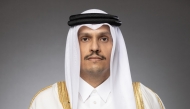
Doha: Civil Aviation Authority’s preparations for the FIFA World Cup Qatar 2022 began from the moment Qatar was announced as the host of the event, which is an unprecedented achievement for the Middle East, Mohammed Faleh Al Hajri, in charge of managing Civil Aviation Authority, said.
Al Hajri also disclosed that the Air Navigation Department has completed the development and testing of alternative operational emergency plans to ensure that there is no confusion in the management of air traffic during the tournament. He explained that all these efforts are to provide a unique travel experience for visitors, familiarise the world with the great development in Qatar’s civil aviation sector, as well as reflect the level of distinguished services provided by the civil aviation system in the country and leave a special impression during this exceptional tournament.
In a statement to Qatar News Agency (QNA), Al Hajri said that several comprehensive development plans in the Qatari airspace in terms of regulating air navigation and ensuring traffic flow at the airports and airspace have been implemented in recent years. He promised a unique travel experience for visitors and fans of the World Cup as the civil aviation system has been developed to provide exceptional services and leave a special impact during this exceptional tournament.
He added that the Authority’s Air Navigation Department has completed its preparations for the World Cup as well, coinciding with the 1st phase of the launch of Doha FIR/SRR Region. Through this, the CAA will manage air navigation and provide navigational aids in the Qatari airspace, which was previously managed under an agreement with Bahrain. The upgraded airspace project was also completed, which included many improvements that will lead to greater efficiency in air traffic management.
He explained that the air traffic development project increased the capacity to about 100 air traffic per hour. Also, the incoming and outgoing air routes to Qatar became 17 separate paths to achieve further movement flow, ensure further safety, and increase the aircraft holding areas in the air during peak periods to arrange aircraft for landing. This was done in preparation for the expected increase in traffic during the World Cup.
The modernisation of all systems and technologies used in air navigation has also been completed. The landing and take-off procedures have been separated into two runways (Hamad International Airport HIA and Doha International Airport DIA) to increase the capacity for both operations.
Al Hajri noted that the efficiency of take-off and land increased, adding that the facility can accommodate three landings and take-offs simultaneously, and a trial was successfully conducted in the air traffic control simulator to ensure the effectiveness and safety of this system for operation.
An air traffic flow management device, the first of its kind in the Middle East, was installed. Air traffic controllers and all employees dealing with this system were trained to use it efficiently, which helps controllers in arranging the arrival and departure of planes to and from Doha. Additionally, neighbouring countries have been provided with a website about the hours of departure from their countries, called SLOT Departure Time, which also contributes to the regularity of air traffic at peak times to ensure highly efficient services that fit with the requirements of this major event.
He said the Authority is completing the last stages of preparations and training operations and conducting meetings and coordination with all relevant authorities.