“Harmony is a Practice that Yields Real Fruit,” Her Excellency Sheikha Hind says as QF-The King’s Foundation partnership reaches one-year mark
Published: 07 Jan 2026 - 09:19 pm | Last Updated: 07 Jan 2026 - 09:23 pm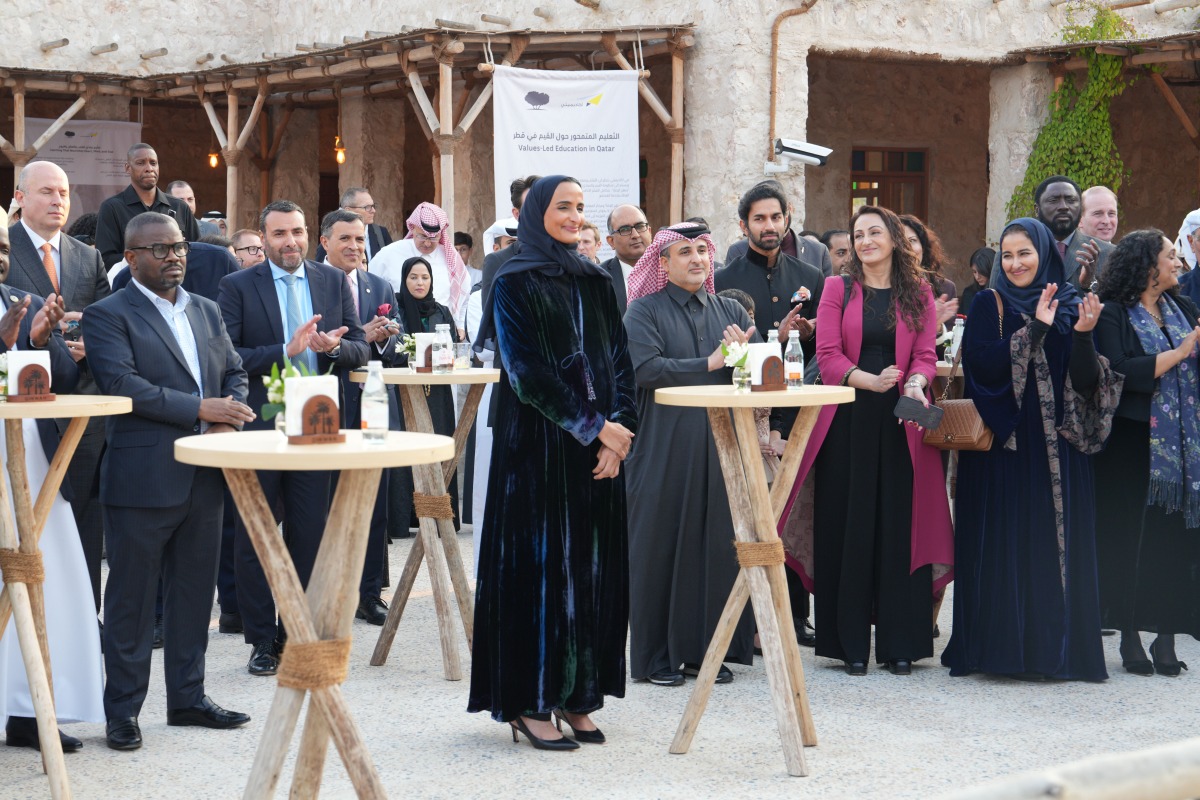
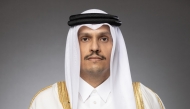
Doha, Qatar: “We feel at peace in (in traditional Qatari homes like Bayt Al Khater) precisely because they work with the grain of nature rather than against it. This sense of ease is not a coincidence; it is in resonance with the principle of mizan or balance – a universal law found in all wisdom traditions. It is through this sacred harmony – this keeping of the scales – that life truly prospers,” Her Excellency Sheikha Hind bint Hamad Al Thani, Vice Chairperson of Qatar Foundation, has emphasized the importance of an international partnership focused on harnessing traditional knowledge to advance sustainability.
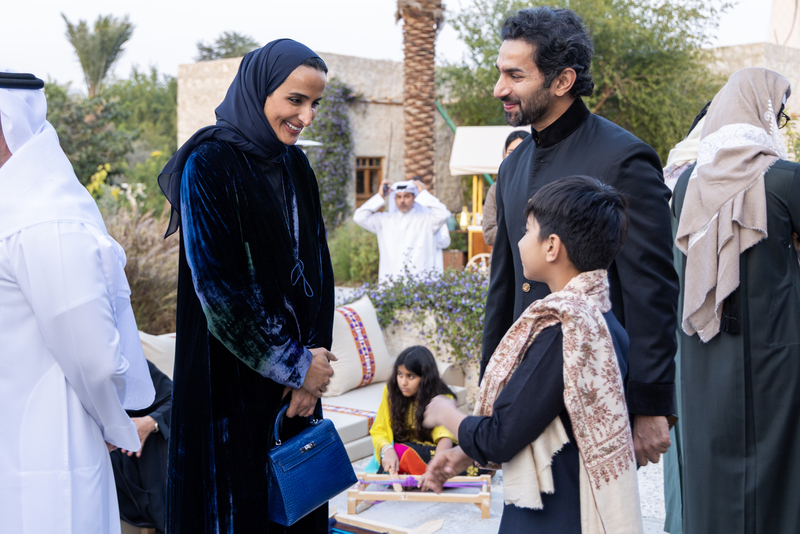
Qatar Foundation’s (QF) Earthna Center for a Sustainable Future at its core has a mission to redefine sustainability in a way that is locally relevant, contextual and built on the wisdom from peoples of the land. A key component lies within traditional urbanism practices, on which Earthna and The King’s Foundation – a UK charity founded by His Majesty King Charles III – launched a two-year collaboration in January 2025 to establish four urban development pilot projects around the world that showcase how local cultural heritage, preserved and passed down from one generation to another, can guide and influence the sustainable practices of today.
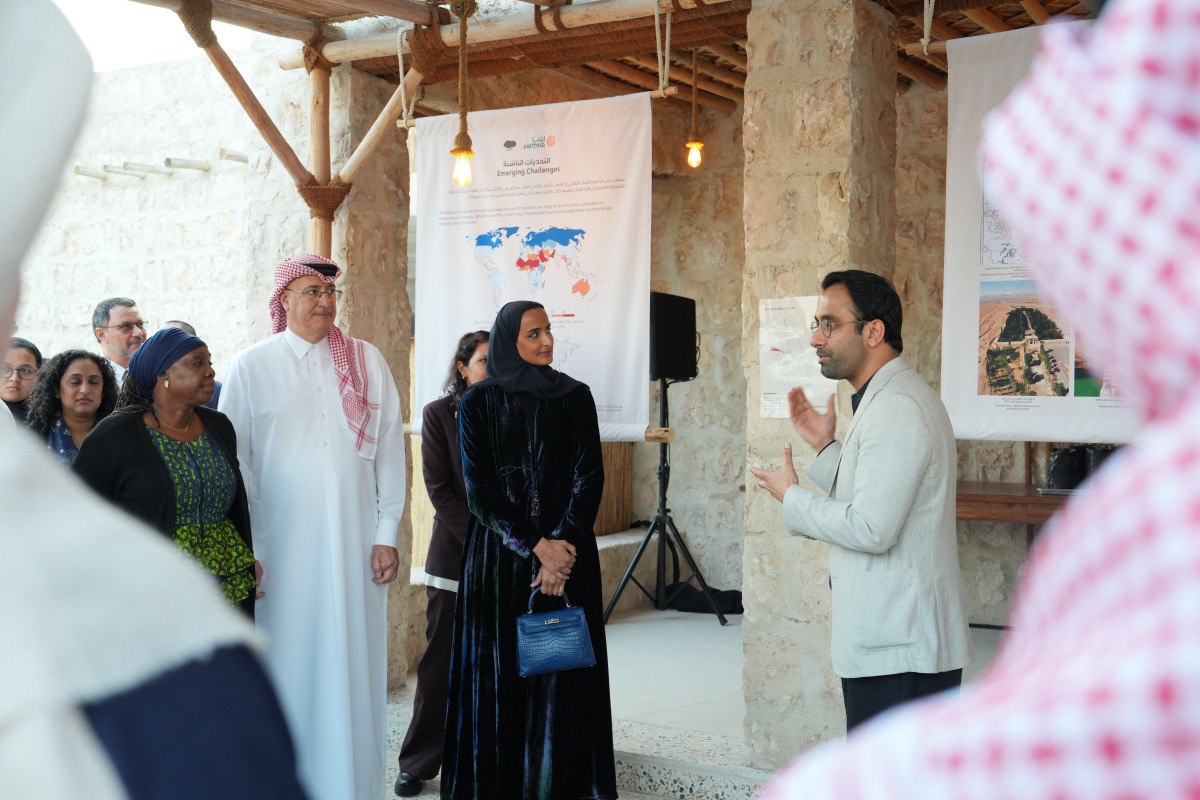
And 12 months on, a high-level reception at Al Khater House – a historic house within QF’s Education City that has been preserved as a space for sustainable, inclusive cultural heritage activities and experiences for the community – explored the progress of the projects supported by the partnership in India, Guyana, Sierra Leone, and Zanzibar, while reinforcing the importance of harnessing the learnings of the past to shape 21st Century sustainability solutions.
In a speech to attendees, Her Excellency Sheikha Hind said: “Our tradition and religion counsel a measured life: take what is needful, cultivate without pillaging, and steward the creatures whose well-being is bound to our own.
“These principles of stewardship underpin the work of Qatar Foundation in sustainability. We see it in the revival of traditional crafts at Herfah; in the values-based educational pedagogies taught in our schools; and in the policy research and test bedding work of Earthna, where indigenous knowledge is used to shape a sustainable future.”
Kristina Murrin CBE, Chief Executive Officer, The King’s Foundation, said: “At The King’s Foundation we work to promote His Majesty’s Harmony philosophy, which encourages everyone to see themselves as part of nature. Our partnership with Earthna is much valued so it is fantastic to have had the opportunity to celebrate our joint passion for protecting traditional heritage skills and the natural world.”
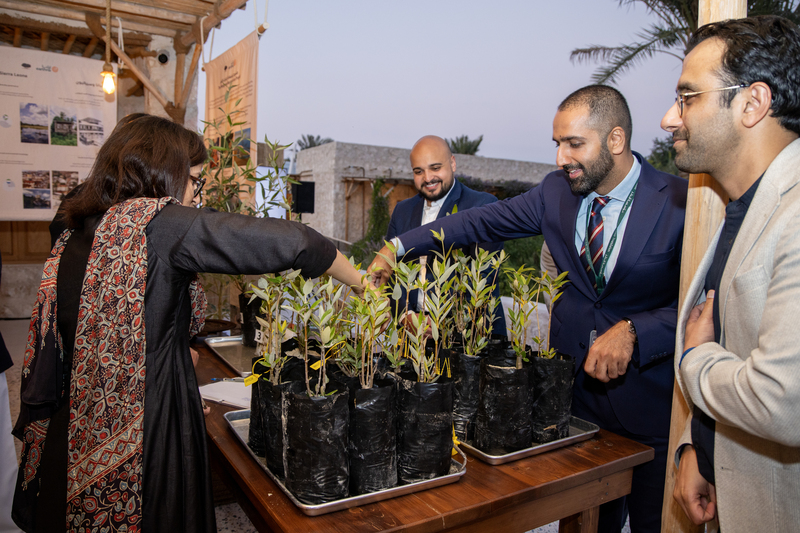
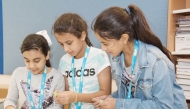
The event saw students in QF’s Academyati school demonstrate how, through the Rihla program, sustainability is being embedded into their learning experience, through progressive educational approaches rooted in culture, heritage and Islamic Principles. Experiential hands-on learning practices allow students to embrace traditional sustainable practices and the Islamic values and ethics that encourage environmental responsibility and stewardship.
Participants and instructors from QF’s Herfah program highlighted the importance of preserving crafts that are woven into Arab and Islamic cultural heritage, showcasing the projects they have developed through the program and giving guests the opportunity to experience these time-honored craftsmanship skills for themselves. Earthna also outlined the full spectrum of its work and research focused on promoting the role of traditional knowledge in shaping a sustainable future, as well as updating guests on the four projects established through its partnership with The King’s Foundation.
The pilot projects supported by the partnership between Earthna and The King’s Foundation were selected to represent traditional sustainability practices in different regions, with each of them illustrating how, amid contemporary challenges, cultural heritage has a central role in informing sustainable urban planning.
As well as demonstrating the value of traditional methods and locally-sourced materials in modern architectural design and construction, the projects are designed to increase international understanding of how environmental sustainability, societal resilience, and economic development can benefit from the continuing application of traditional knowledge, while also having an educational role within their own communities. Insights shared from the four projects will be shared with countries that face similar challenges, including Qatar, in the form of research publications and policy recommendations.
In India, the project team will convene a “Winter School” in February where students, including participants from Qatar, will engage with traditional water management and land regeneration practices at Dhun, Jaipur, advancing knowledge exchange for sustainable solutions in Qatar and other hot and arid regions.
In Zanzibar, the project focuses on the revival of Stone Town’s traditional craftsmanship and built heritage, underscoring cultural linkages with the Arabian Gulf and the enduring value of craftsmanship in preserving identity.
In Guyana, the project strengthens Earthna's coastal resilience and ecosystems agenda by studying mangrove ecosystems and traditional architecture, incorporating both in a visitor center that will serve as a platform for mangrove education and regeneration practices.
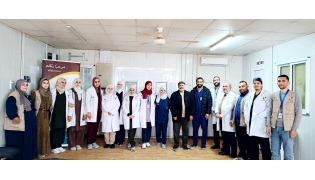
While, in Sierra Leone, the project promotes sustainable construction through a community facility designed as a primary health unit, offering replicable lessons for integrating wellness infrastructure with sustainable building practices