Doha, Qatar: At the Second International Migration Review Forum in New York, Qatar urged the global community to prioritise three pivotal areas to advance the future of migration governance.
Central to Qatar’s approach is the strategic expansion of regular migration pathways. The State advocated for these pathways to be embraced as proactive policy instruments rather than mere reactive alternatives to irregular migration. It emphasised that countries investing in comprehensive migration governance today will secure a decisive competitive advantage amid the transformative impacts of climate change and technological innovation on global labour markets.
Building on this foundation, Qatar highlighted the imperative of embedding protection throughout the entire migration cycle, from recruitment in countries of origin to reintegration upon return. This necessitates an international framework of shared responsibility that seamlessly integrates labour and residency governance with robust, coordinated efforts to combat human trafficking.
Recognising that accountability is critical to progress, Qatar further stressed the importance of strengthening measurement mechanisms within the Forum’s framework. It asserted that declarations of progress carry genuine weight only when anchored in agreed indicators, consistently monitored through successive review cycles. The Global Compact’s 23 objectives, Qatar noted, demand monitoring tools commensurate with their ambition.
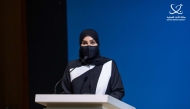
Qatar’s statement, delivered by H E Sheikha Najwa bint Abdulrahman Al Thani, Undersecretary of the Ministry of Labour, framed these principles within the broader context of the Forum’s purpose: to achieve tangible and measurable progress beyond dialogue. Qatar’s involvement is rooted in the firm belief that humane and effective migration governance is both attainable and accountable.
Expanding on these commitments, she reaffirmed Qatar’s dedication to advancing this agenda through close partnership with the international community, expressing readiness to collaborate with States seeking to enhance their migration governance frameworks.
The statement then provided a detailed overview of Qatar’s comprehensive national reforms aligned with international commitments. It began with a fundamental restructuring of the expatriate labour system, founded on a rigorous rights-based framework.
Among the key reforms is the ending of exit permit requirements, granting workers greater freedom to change employers. This significant step is complemented by the introduction of the region’s first non-discriminatory minimum wage, setting a new standard for labour rights.
To further safeguard workers, Qatar has established Visa Centres in countries of origin, ensuring protections commence prior to departure.
Meanwhile, Sheikha Najwa bint Abdulrahman Al Thani took a pivotal role at a distinguished side event entitled “Protecting Migrant Workers from Exploitation and Human Trafficking: Integrating Institutional Frameworks and Strengthening Community Partnerships.”