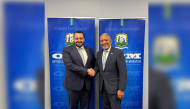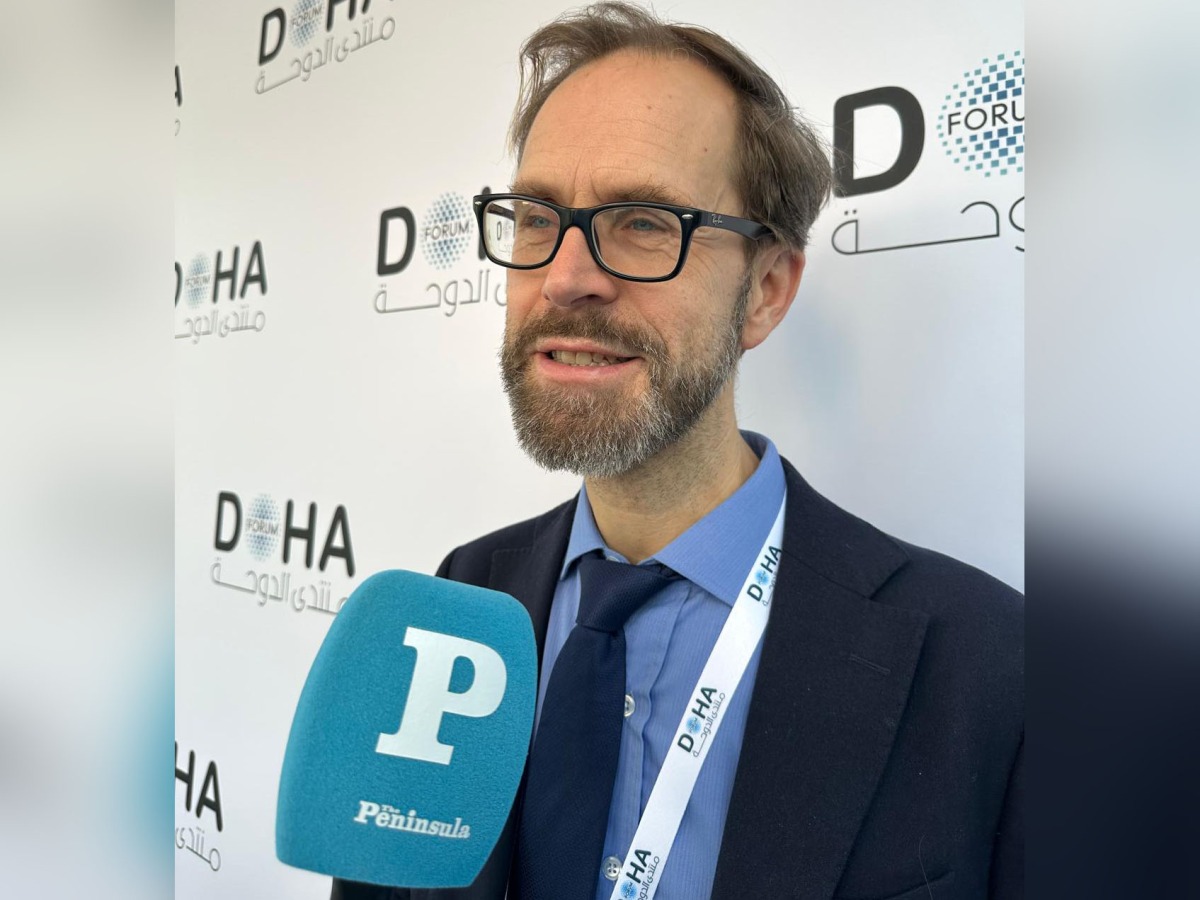
Isak Svensson, Professor at Uppsala University
Doha, Qatar: Qatar’s profile as a global mediator continues to rise as geopolitical tensions and increasingly complex armed conflicts reshape international diplomacy, an official has said.
Speaking to The Peninsula on the sidelines of the 23rd edition of Doha Forum, Isak Svensson, Professor at Uppsala University, noted that the world is entering a phase where successful mediation is becoming “not only more urgent, but significantly harder to achieve,” as peace agreements decline and conflicts persist or reignite despite years of negotiation efforts.
He mentioned that global mediation efforts are facing new and complex challenges, making peace agreements increasingly difficult to achieve, according to Isac Svensson, professor at Uppsala University, speaking ahead of his participation in a panel on international mediation, yesterday.
Svensson, a peace and conflict researcher, said this year marks his first time attending the Forum, where he hopes to expand his network and deepen his understanding of global trends shaping conflict resolution. The Forum, he noted, provides a valuable platform for experts, policymakers, and mediators navigating today’s shifting diplomatic environment.
“I’m here to network and get a more global perspective on the issues that relate to my field, which is peace and conflict research,” he said. “I’m participating in a panel on international mediation and the changing landscape of international mediation.”
The panel examined why peacemaking appears to be losing momentum worldwide. Although the exact discussion format is yet to unfold, the lecturer said his contribution will focus on empirical evidence showing a decline in mediation success rates.
“Peacemaking has become more difficult, so the landscape for peacemaking has become more difficult,” he explained. “We see fewer peace agreements, fewer cease-fire agreements, fewer conflicts being terminated, and more conflicts that restart after they have terminated. All this signals that peacemaking success has become more difficult to attain.”
According to Svensson, researchers have yet to fully understand the root causes of this trend, and debates continue. However, two broad explanations are emerging. “Conflicts have become more difficult with more international actors, more fragmented, more radical actors, and so forth,” Svensson said. “Many wars now include transnational networks, private armed groups, ideological militias, and shifting alliances, complicating negotiations.”
Second, the international system that traditionally supported mediation efforts has weakened. “The international system to handle conflicts has been more paralysed and less effective,” he stressed, pointing to geopolitical divisions that challenge coordinated diplomacy.
Svensson highlighted the roles of emerging and established mediators on the global stage. He remarked that Doha has become increasingly active and visible as a facilitator of negotiations across multiple regions.
“Qatar plays a very important role as a mediator in many different countries around the world and has become more active on the scene,” he said.
He also pointed out that Nordic countries such as Norway, Finland and historically Sweden have contributed significantly to peace processes, suggesting room for collaboration and shared learning.
“There are exchanges that can be done in order to think about how to be an effective peacemaker today,” Svensson stated. He added that peacemaking is still possible, but the tools required to achieve it may need to evolve.