The festival celebrates halal livestock practices and Qatar’s pastoral heritage.
Doha, Qatar: The Qatar Halal Festival 2026, which ends today (February 16), has continued to draw strong crowds and widespread participation, reaffirming its status as one of the country’s most distinctive cultural and commercial showcases.
Held at Katara Cultural Village, the festival continues to blend heritage, entertainment, and business, creating an atmosphere that resonates with families, livestock enthusiasts, and entrepreneurs alike.
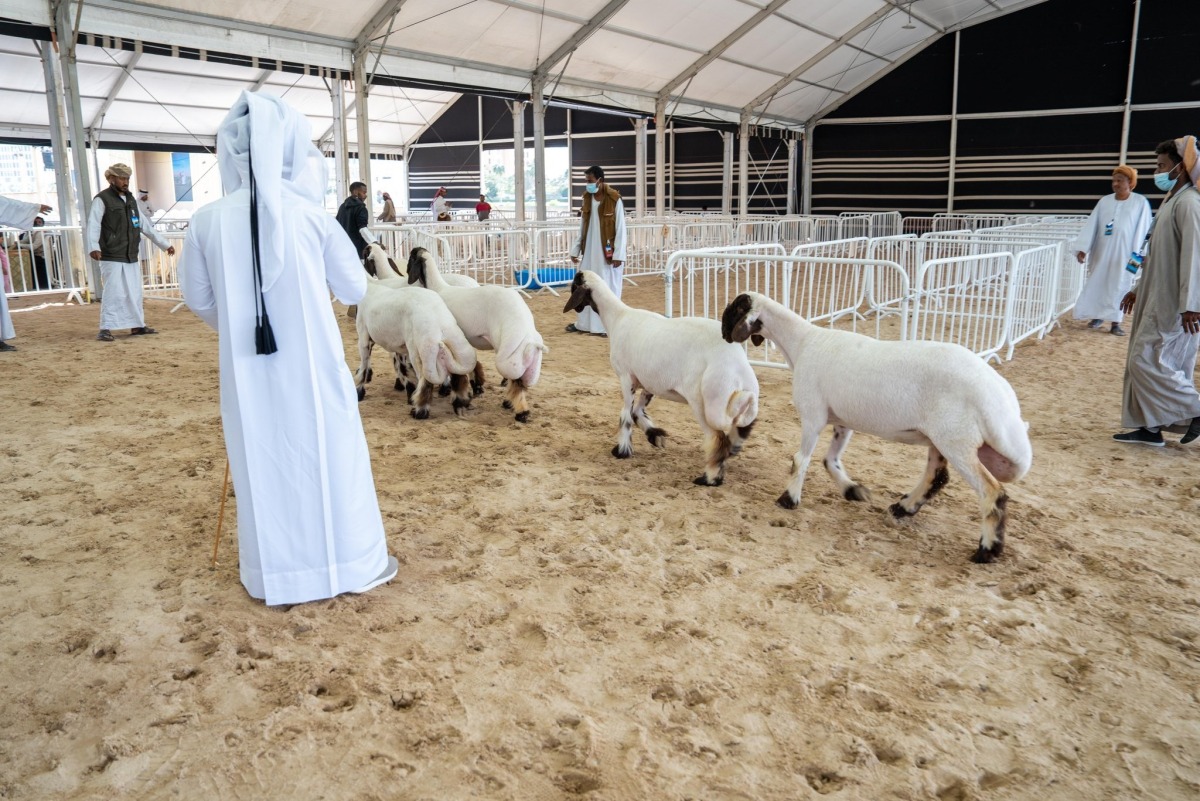
From the early hours of the day, visitors streamed into the venue, where rows of meticulously arranged tents and enclosures displayed some of the finest livestock breeds.
The festival, which celebrates traditional halal livestock practices and Qatar’s deep-rooted pastoral heritage, has evolved into a highly anticipated annual event that attracts both local residents and international participants.
Exhibitors from across the region and beyond have gathered to present premium sheep and goat breeds, veterinary products, animal feed solutions, and farm technologies. Many participants highlighted the festival’s growing reputation as a strategic platform for networking and commercial exchange.
“The Qatar Halal Festival offers us far more than just exhibition space,” said Abdullah, one regional breeder. “It allows us to connect directly with buyers, fellow breeders, and industry professionals in an environment that truly values livestock heritage.”
The festival’s uniqueness lies not only in its focus on livestock but also in the immersive cultural experience it offers. Traditional competitions, educational displays, and interactive activities provide visitors with insights into animal husbandry, breeding standards, and the significance of halal practices. Live demonstrations and judging contests have proven particularly popular, drawing enthusiastic spectators throughout the day.
Families and young visitors remain a central part of the festival’s appeal. Children can be seen observing animals up close, participating in guided tours, and engaging in hands-on learning sessions. Parents have praised the event for combining recreation with education.
Beyond its cultural dimension, the festival has emerged as a notable driver of commercial activity. Vendors offering livestock-related products, artisanal goods, and traditional foods reported steady business, reflecting the festival’s ability to generate economic momentum alongside cultural preservation.
Industry observers note that the event’s sustained growth mirrors Qatar’s broader commitment to safeguarding national traditions while encouraging innovation.
Participants also commended the organisation and scale of the festival. Spacious layouts, carefully managed enclosures, and diverse programming have contributed to a comfortable and engaging visitor experience. The vibrant ambience, marked by lively discussions, family gatherings, and bustling stalls, has become one of the festival’s defining features.
For many exhibitors, the festival represents a rare convergence of tradition and opportunity. “There are very few events that bring together culture, commerce, and community in this way,” remarked another participant. “It is not just a marketplace; it is a celebration of identity.” As the festival ends today, organisers expect a larger attendance, driven by a mix of loyal visitors and newcomers eager to explore its offerings.
With its distinctive character and expanding exhibitor base, the festival once again demonstrates its enduring relevance within Qatar’s cultural calendar.