Sri Lanka’s impending default on $12.6 billion of overseas bonds is flashing a warning sign to investors in other developing nations that surging inflation is set to take a painful toll.
The South Asian nation is set to blow through the grace period on $78 million of payments Wednesday, marking its first sovereign debt default since it gained independence from Britain in 1948. Its bonds already trade deep in distressed territory, with holders bracing for losses approaching 60 cents on the dollar. The government said last month it would halt payments on foreign debt.
Sri Lanka’s situation is unique in the way all debt crises are -- the particulars here involve an unpopular government run by an all-powerful family, the unresolved aftermath of a 30-year civil war and violent street protests. But the island’s saga is starting to be seen as a bellwether for emerging markets where shortages exacerbated by inflation, including record-high food costs globally, have the potential to roil national economies.
"The Sri Lanka default is an ominous sign for emerging markets,” said Guido Chamorro, the co-head of emerging-market hard-currency debt at Pictet Asset Management, which holds Sri Lankan bonds. "We expect the good times to stop. Slowing growth and more difficult funding conditions will increase default risk particularly for frontier countries.”
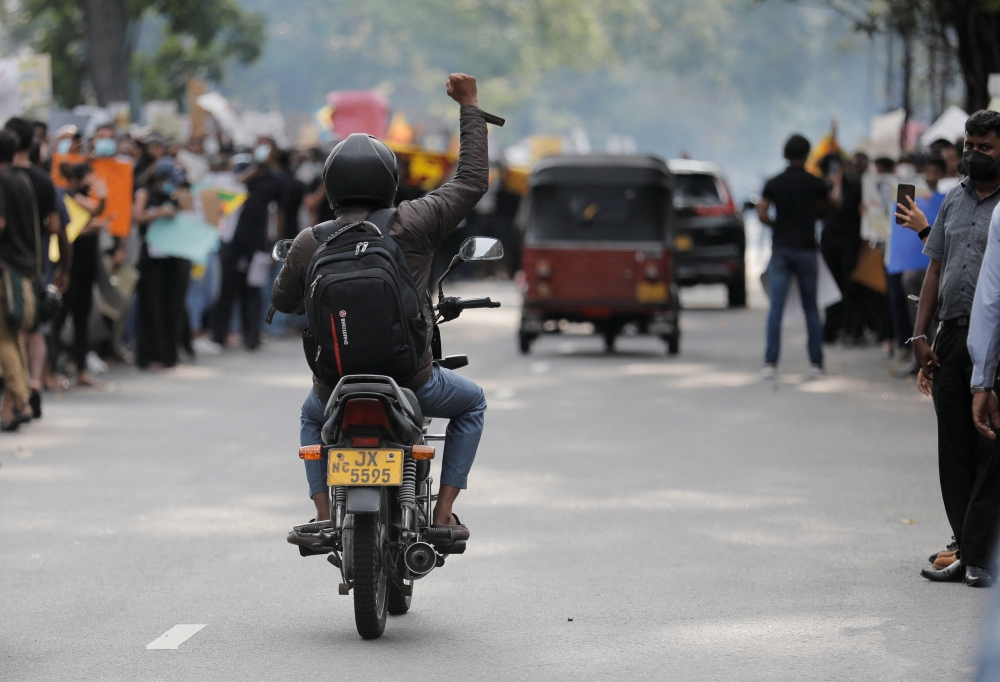
Sri Lanka, an $81 billion economy located off India’s southern coast, has been mired in turmoil for weeks amid annual inflation running at 30%, a plummeting currency and an economic crisis that has left the country short of the hard currency it needs to import food and fuel. Anger over the situation -- brought about by years of excessive borrowing to fund bloated state companies and generous social benefits -- has boiled over into violent protests.
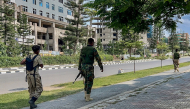
Widespread arson and clashes were reported from several parts of the country while homes and properties of several government lawmakers were set on fire. At least nine people, including one member of parliament, were killed in the violence.