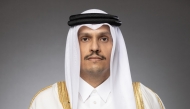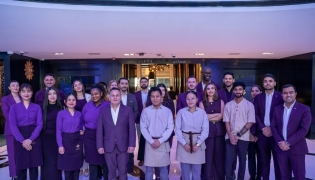
Doha, Qatar: As the world marks International Museum Day under the theme “Museums Uniting a Divided World,” curator of Lawh Wa Qalam: M. F. Husain Museum, Amita Shenoy says museums have an increasingly vital role in fostering dialogue, empathy, and cultural understanding.
Speaking about the role of museums in today’s polarised climate, Shenoy described museums as rare spaces where people can pause and connect with unfamiliar cultures and perspectives. “We are living through a time period when borders, both physical and ideological, feel sharper,” she told The Peninsula. “Museums, I believe, are among the few spaces where people visit to slow down, to sit with something unfamiliar, and to let themselves be moved.”
According to Shenoy, museums create meaningful encounters between audiences and artworks that transcend geography and time. “When you create a museum, it is not just to view the art, it is a whole experience, and that experience is what dissolves distance between people,” she said.
Shenoy has dedicated her work to creating a space where tradition, art, and philosophy converge. Her curatorial vision at Lawh Wa Qalam: M. F. Husain Museum not only preserves heritage but also sparks contemporary conversations about identity and creativity.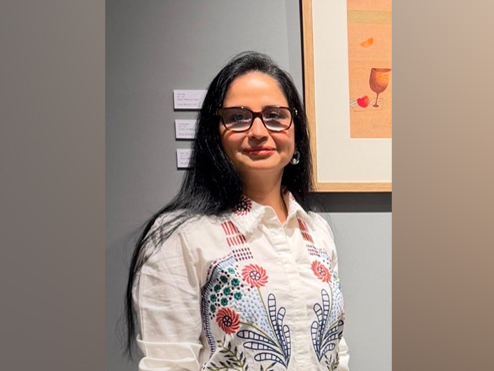
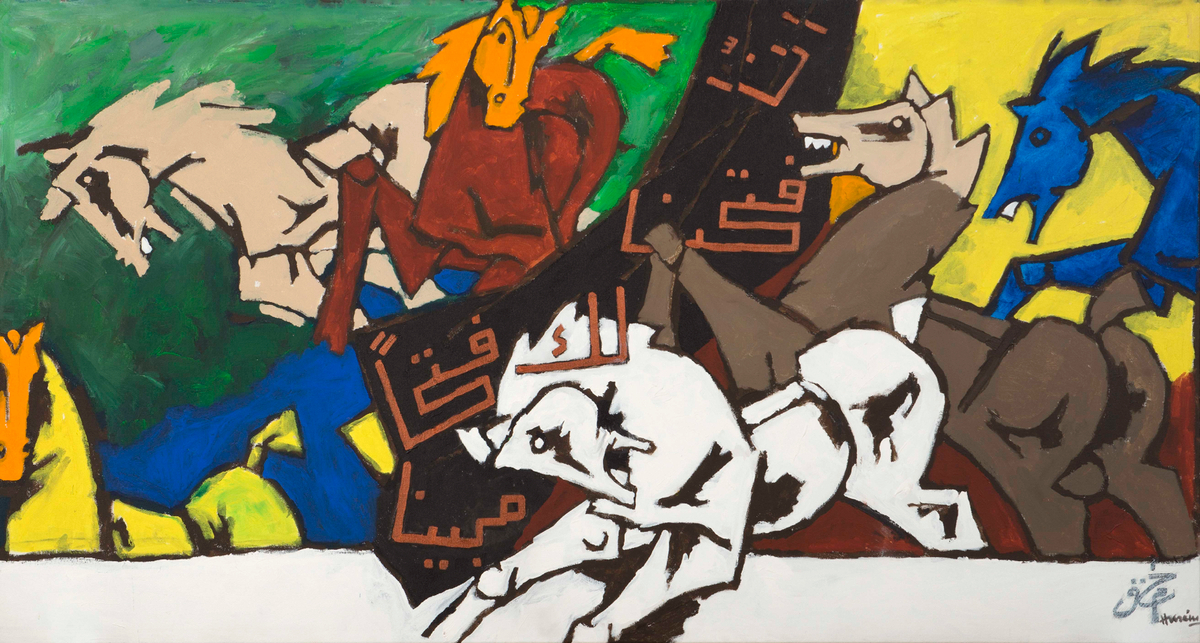
Shenoy said that the museum reflects the spirit of celebrated Indian artist M. F. Husain, whose work crossed borders and identities. “Husain lived as though the whole world belonged to him,” Shenoy said. “At the heart of his practice was humanism, a conviction that our shared humanity is the only ground worth standing on.”
She added that the museum honours Husain’s borderless imagination while creating an inclusive experience for visitors from all backgrounds. “Art is a universal language. It speaks to everyone, and does not distinguish between sections of people,” she said. “When you walk into the museum, you are not simply viewing art on a wall, you are stepping into an experience.”
Shenoy explained that every aspect of the museum experience from gallery design and lighting to educational programmes is intended to make visitors feel represented and engaged. “Different people discover that they have been moved by the same image, for entirely different reasons,” she said.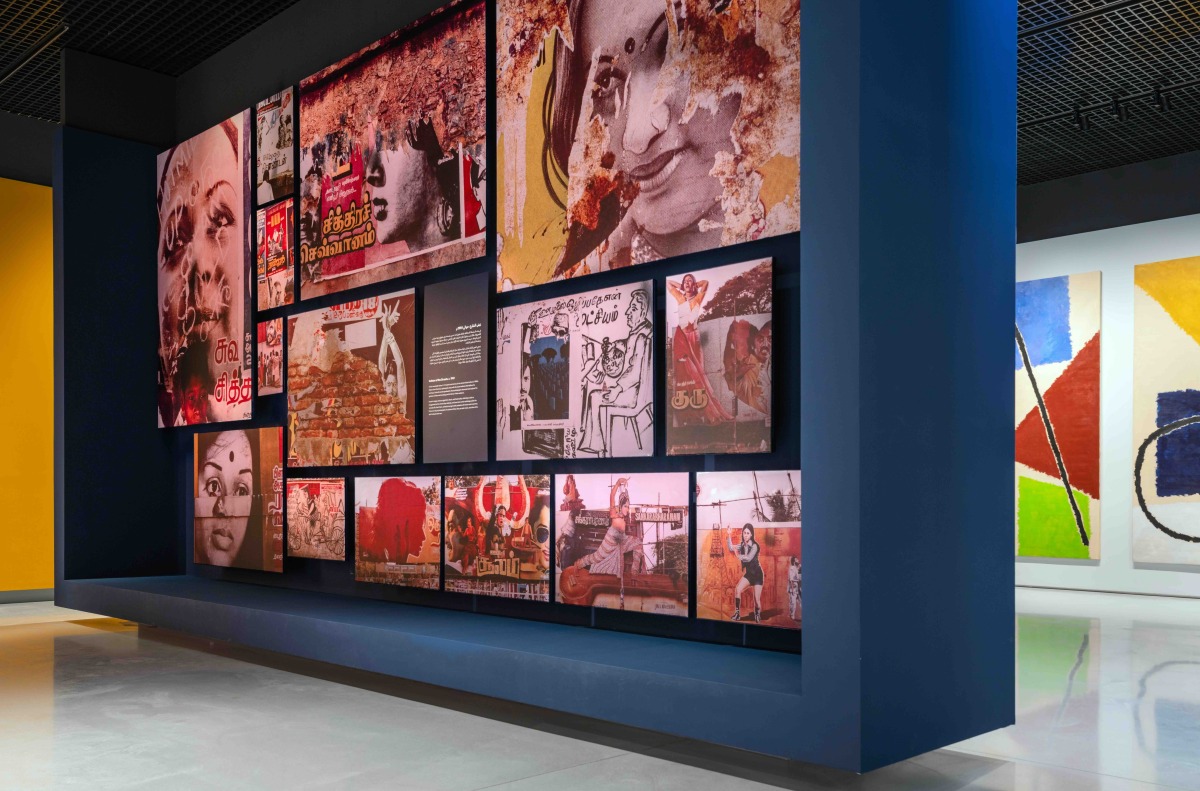
Highlighting the relevance of this year’s International Museum Day theme to Qatar, Shenoy described the country as “already a meeting point” for diverse cultures and communities. “A museum built in Qatar, dedicated to M. F. Husain, an Indian origin artist with a deeply cross-cultural vision is a powerful statement,” she said. “It says that art made in one tradition can find a home in another.”
Shenoy also emphasised the wider role cultural institutions in Qatar can play regionally and internationally. “Qatar has invested in culture on a large scale and that investment carries responsibility,” she said, adding that museums can serve as “bridges rather than fortresses.”
Reflecting on M.F Husain’s enduring appeal; Shenoy said the artist’s fearlessness continues to resonate across generations. “People sense that fearlessness across generations, because every generation is looking for permission to be fully themselves,” she said.
On the power of art in divided times, she said, “Art asks you to stay a little longer before you choose anything. That pause is where understanding begins.
She believes art succeeds where politics sometimes struggles because it invites reflection instead of division. “Public discourse today moves quickly and rewards certainty,” Shenoy said.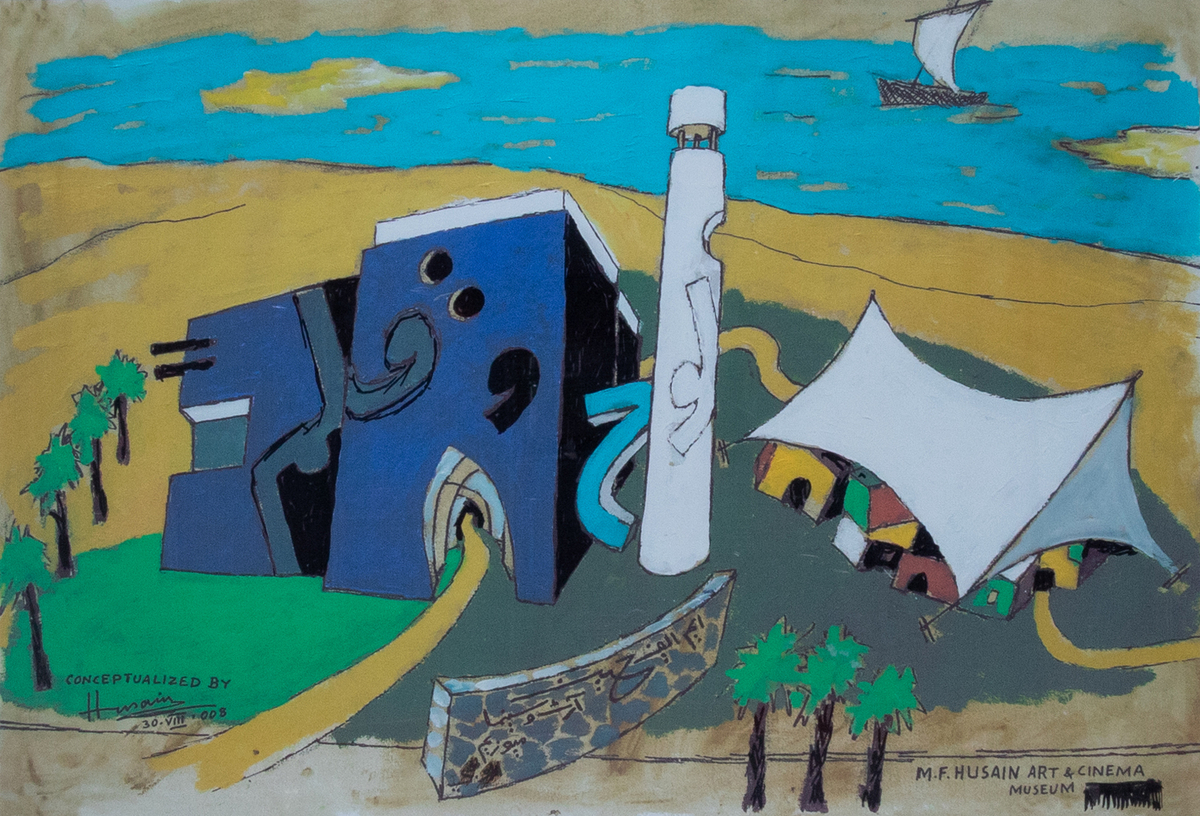 “Art moves slowly and rewards attention. In that slowness, you begin to recognise the humanity of the person who made the work, and through them, the humanity of everyone who shares their world.
“That is a quieter kind of diplomacy, but in my experience, it is the kind that actually lasts.”