Growing share of liquefied natural gas (LNG) trade in the proportion of total natural gas trade is expected to converge differences in prices of gas in various regions, such as America, Europe and Asia, in the coming years, confirmed the Secretary-General of Gas Exporting Countries Forum (GECF).
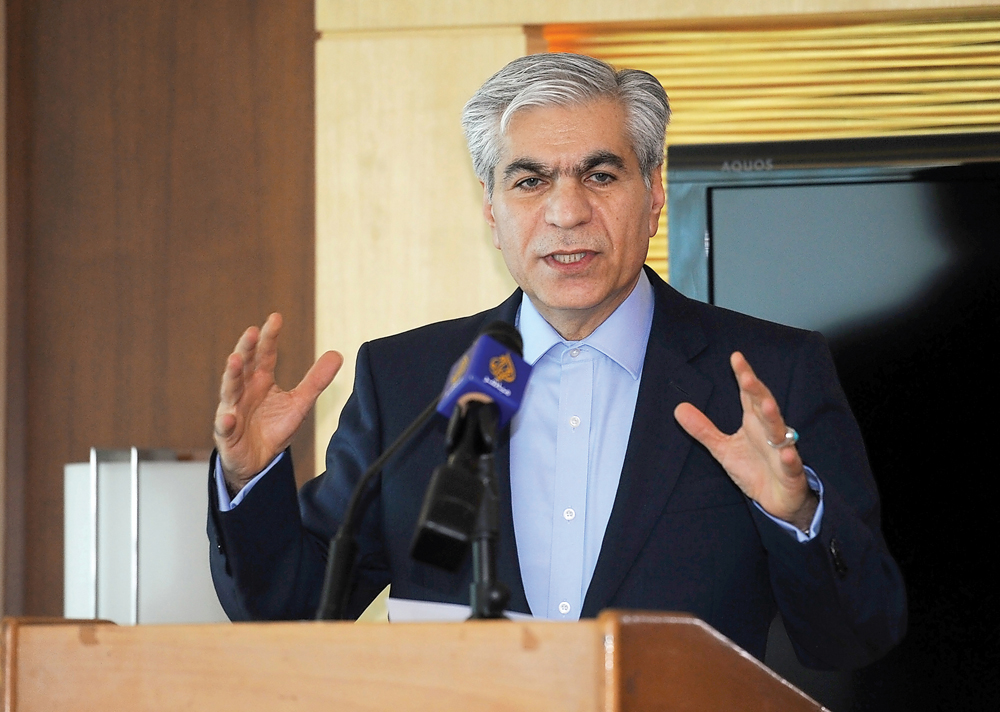
“Rising share of LNG trade will lead to convergence in different prices of natural gas prevailing in regional markets. This convergence in prices will also prevent arbitrage gains made by some traders who buy gas in low price regions and sell it to high price markets,” Dr Mohammed Hussein Adeli (pictured) Secretary-General of GECF told The Peninsula in response to a question.
Dr Adeli added: “The trade of LNG becoming more flexible for many reasons. LNG also has another characteristic which addresses the geo-political complexities and obstacles related to piped gas trade which depends on diplomatic relations among countries involved in the pipeline routes.”
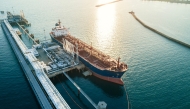
The LNG market is projected to grow significantly, particularly in the medium-term. The share of LNG trade as a proportion of total gas trade is anticipated to rise to 44.8 percent between 2017 and 2040. The pipeline gas trade is forecast to grow with a compound annual growth rate (CAAGR) of around 1.6 percent to reach more than 830 billion cubic metres (bcm) per year by 2040.
Citing GECF’s ‘Global Gas Outlook 2017’ findings, Dr Adeli noted that the future for LNG export growth is very promising with a forecast average annual growth rate of 2.8 percent. The volume of LNG trade will increase by around 240 million tonnes per annum (MTPA) (324bcm) to reach the level of 498.5MTPA (673bcm) by 2040.
LNG trade is free from obstacles like geo-political constraints. This is why many countries, according Adeli, are now thinking of buying LNG despite having the opportunity to buy gas through pipeline so that they can change suppliers as per their will.
Providing an example, he said: “Look at the Middle East region where we have countries buying LNG from the US and other far off places despite the presence of giant gas exporters within the region”. Secretary-General
However, he also noted that although LNG is going to have those effects in the market, regional dynamics will continue to be dominating the natural gas market in one way or the other.
Commenting on oil linked prices of gas and preference of some energy importing countries to buy LNG at spot market instead of having long term contracts, Dr Mohammed Hussein Adeli, Secretary-General, GECG said: “As the share of LNG is increasing we have now new mechanism of pricing in different regions.”
The new price mechanisms, he said, which include gas-to-gas on spot basis, hybrid pricing, which depends little bit on oil prices and hub prices, (Henry Hub natural gas prices) are increasing in some regions.
But he also stressed that in addition to all the above factors, the aggregate demand and supply of energy, consumers’ relationships with supplying parties, energy security and consistency in supply will continue to be important factors to influence prices.
“Energy security is one of the most important factors that determine gas prices. Because countries, especially those with gas fed power plants, cannot afford to have interruption in supplies even for days and hours. This is why they prefer to pay a premium in order to ensure consistency in supplies... I believe long-term LNG contracts will continue to be dominating the market,” added the outgoing Secretary-General of GECF, a Doha-based international governmental organisation of world’s leading gas producers.
The share of LNG trade held by the GECF countries is expected to drop from 59 percent in 2016 to 47 percent by 2020, but will recover to around 52 percent by 2025 and then settle at 50 percent by 2040, according to the GECF’s latest report on market outlook.