DOHA: Qatar has once again emerged as one of the world’s most prosperous countries, securing a prominent position in the Forbes India 2025 ranking of the richest countries in the world by GDP per capita adjusted for purchasing power parity (PPP).
The ranking, derived from data compiled by the International Monetary Fund (IMF), provides a lens into national economic output per capita, serving as a key indicator of average economic prosperity.
In the latest Forbes India list released this month, Qatar ranks sixth globally in GDP-PPP per capita, with an estimated figure of $ 122,283.2. This places Qatar firmly within the top tier of global wealth rankings alongside renowned affluent nations such as Liechtenstein, Singapore, Luxembourg, Ireland, and Macao SAR.
GDP per capita adjusted for PPP is a widely accepted metric used to compare economic output per person across countries while accounting for differences in cost of living and price levels. This approach offers a more nuanced picture of individual economic well-being than nominal GDP per capita alone.
Qatar’s high ranking is rooted in its energy-rich economy and relatively small population.
The country is a global leader in liquefied natural gas (LNG) production and export, owing largely to the North Field, the world’s largest non-associated natural gas field. Revenues from hydrocarbons, natural gas and oil, form the backbone of Qatar’s GDP, contributing significantly to national income and export earnings.
While the hydrocarbon sector remains the central pillar of Qatar’s economy, the government has pursued diversification through strategic development initiatives. Qatar’s National Development Strategy emphasises investment in sectors beyond energy, including finance, infrastructure, technology, and tourism. These efforts aim to broaden the economic base, reduce dependence on hydrocarbons, and enhance resilience to external shocks.
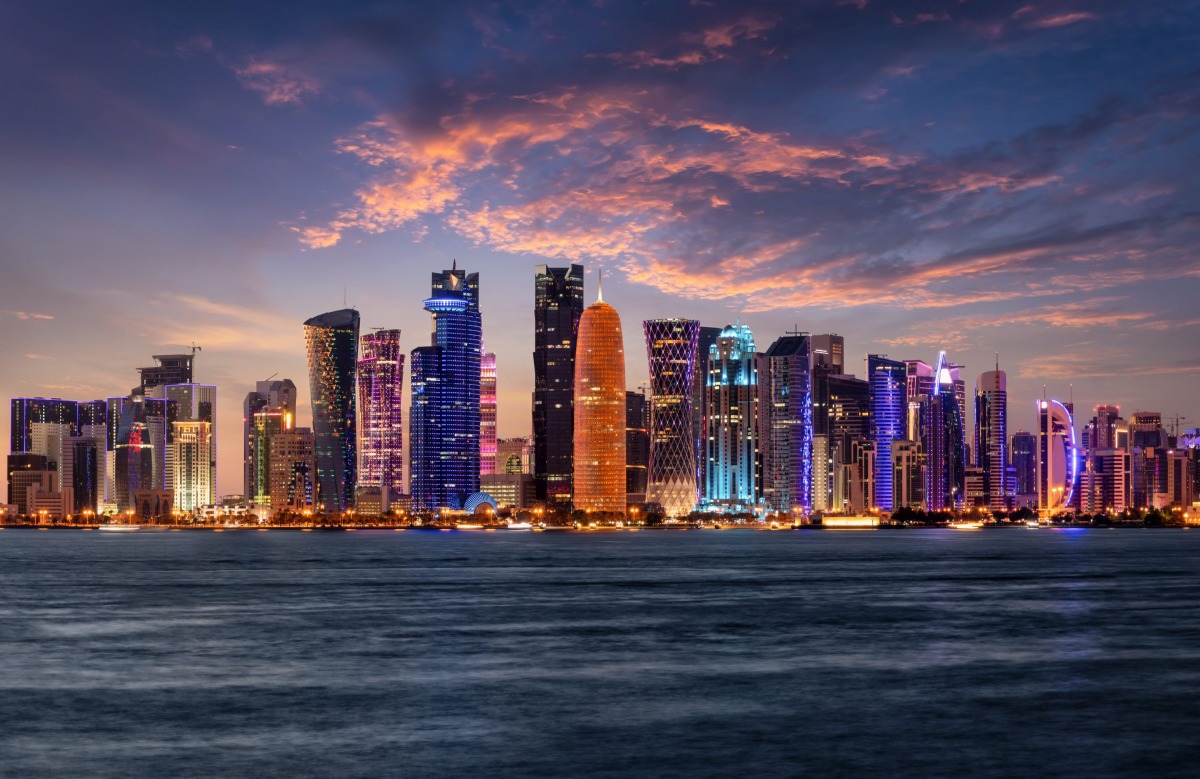
The hosting of global events, most notably the FIFA World Cup 2022, accelerated infrastructure expansion and international engagement. Investments in transportation, hospitality, and cultural assets have strengthened Qatar’s attractiveness as a business and tourism hub, complementing traditional energy-sector revenues.
The 2025 Forbes India list underscores Qatar’s position within a group of small yet extraordinarily affluent economies.
Leading the ranking are Liechtenstein and Singapore, with GDP-PPP per capita figures of approximately $201,112.3 and $156,969.1, respectively. Luxembourg, Ireland, and Macao SAR, with per capita outputs well above $130,000, also occupy top positions. Qatar’s GDP per capita of more than $122,000 places it near these leading benchmarks of wealth.
By contrast, larger economies such as the United States, while dominant in total economic output, typically rank lower on a per capita basis due to their substantially larger populations. In the Forbes India ranking, several such nations fall outside the top ten in per capita terms. A high GDP per capita is often associated with elevated standards of living and enhanced access to goods and services. In Qatar, robust public investment in healthcare, education, and infrastructure reflects a policy environment that seeks to translate economic prosperity into broader societal benefits. Investments in human capital, particularly in education and workforce development.