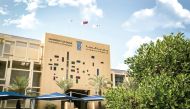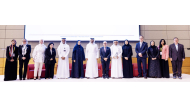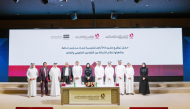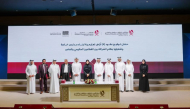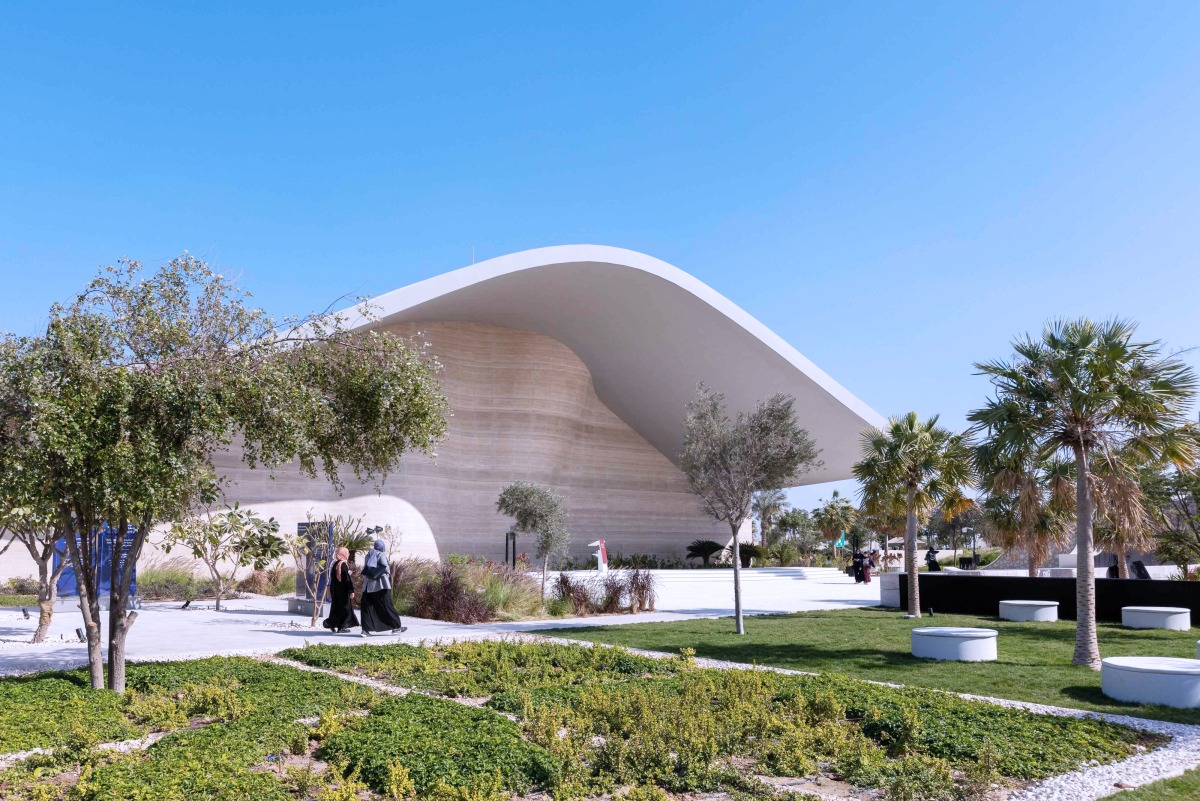
Doha, Qatar: Al-Mujadilah Center & Mosque for Women, located in Education City has launched ‘Lives Beyond the Archives: Alf Muslimah,’ a global research initiative aimed at documenting the lives, intellectual contributions and enduring legacies of Muslim women throughout history, with scholars and researchers invited to contribute to a collaborative encyclopedia.
The initiative seeks to challenge the idea that Muslim women who have exercised leadership and influence throughout history were merely exceptional figures, and instead highlight a longstanding tradition of women’s participation in scholarship, education, community leadership, politics, economic life and the home.
Speaking to The Peninsula about the project, Research Manager at Al-Mujadilah, Dr. Najah Nadi said that Alf Muslimah was inspired by discussions on how to present Muslim women as exemplars for young people today.
“We discovered that the vast range of Muslim women who embodied Islamic leadership models breaks the claim of exceptionalism that any Muslim woman leader we know is ‘just an exception,’” she said.
Dr. Najah said the project aims to make these histories more accessible while presenting a broader understanding of women’s leadership through the Islamic concept of ri’aya, or stewardship.
“Muslim women’s contributions are not new; women have long participated in the production and transmission of knowledge, research, politics, society, economic life, and within the home,” she said.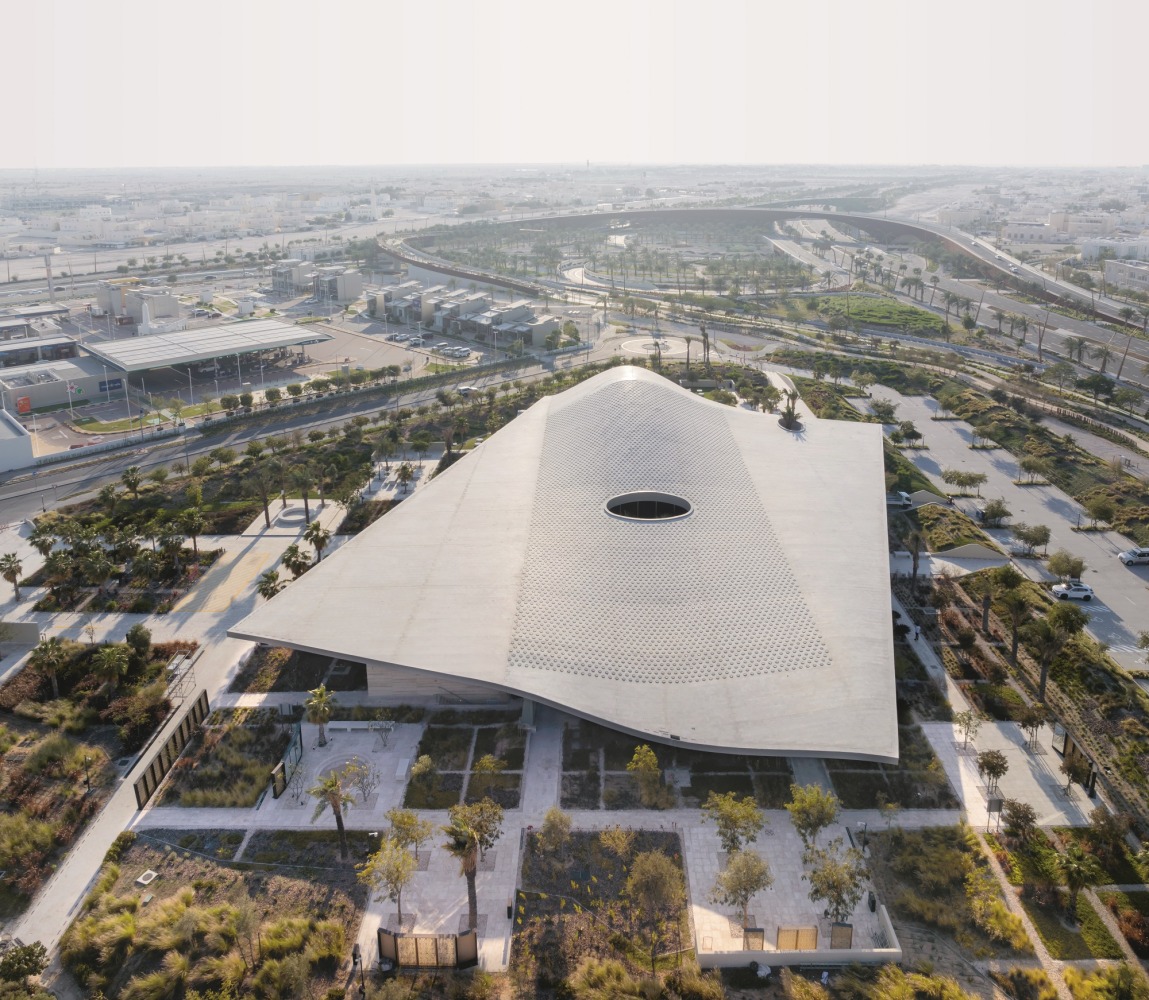 According Dr. Najah documenting these contributions is essential to developing a fuller understanding of Islam, noting that women constitute half of the Muslim community. By bringing overlooked histories to the forefront, the initiative hopes to help younger generations recognise themselves as part of a longstanding tradition of Muslim women’s contribution and leadership.
The project will take a deliberately broad geographical and historical approach, with particular attention to lesser-known women from regions and periods that have received less scholarly or public attention.
Alf Muslimah will encompass 11 broad regions across the Islamicate world and Muslim communities, including the Arabophone and Persianate worlds, Turkic regions, the Indian subcontinent, Sub-Saharan Africa, the Malay Archipelago, China and East Asia, Central Asia, Anglophone countries, mainland Europe, and Latin America, South America and the Caribbean.
Beyond documenting individual women, the project will also examine how Muslim women have been recorded and represented in historical sources, including where gaps exist and how narratives about them have changed over time.
“We are also interested in how women have been documented, not simply whether records of them exist,” Dr. Najah said, adding that the initiative seeks to examine how Muslim women’s histories have been preserved, interpreted and transmitted.
Contributors are being sought through an open call for proposals. Submissions will be assessed for scholarly quality and alignment with the project’s research methodology. Contributors are expected to move beyond conventional biography by examining each woman’s significant contributions, model of leadership and legacy while ensuring diversity in geography, historical period and spheres of influence.
At the same time, the project aims to make scholarly research accessible through engaging writing, storytelling, oral history and visual material.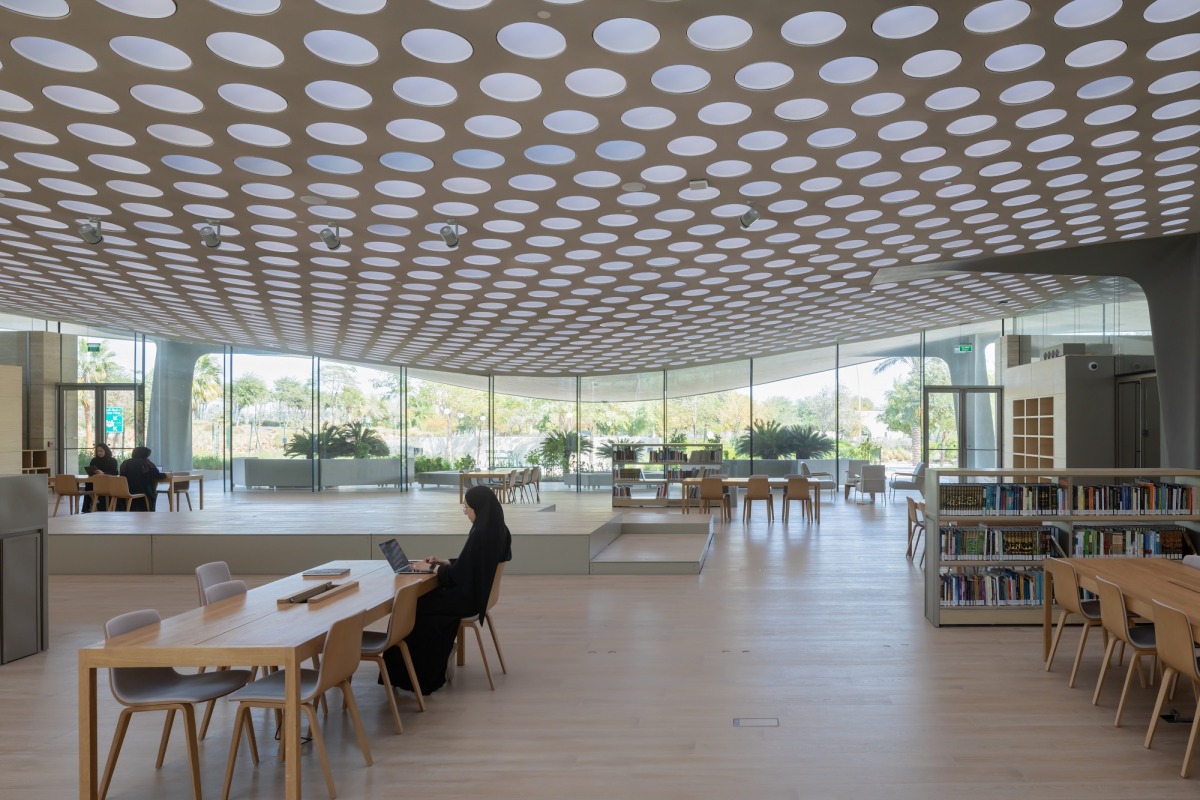 The research draws on more than 500 biographical dictionaries, manuscripts, archives and a wide range of classical and contemporary sources. According to Dr. Najah, this extensive body of material is intended to make Alf Muslimah a resource not only for individual biographies but also for future research into Muslim women’s history.
For researchers and scholars, the initiative aims to identify gaps in existing historical narratives and encourage further research. For wider audiences, it seeks to provide accessible accounts of a broader range of women and their contributions.
“Researchers, scholars and experts from Qatar, the wider region and around the world can participate in the initiative. Proposals are accepted in Arabic and English, and applicants can suggest a woman from the project’s recommended list or nominate another figure from their own region or area of expertise,” said Dr. Najah. Each applicant may submit up to three proposals.
The open call remains until August 31, 2026, with further details available through Al-Mujadilah.
Dr. Najah emphasised the initiative ultimately seeks to build a richer and more diverse record of Muslim women’s contributions while creating a lasting resource for research, education and public understanding of their place in history.