File photo
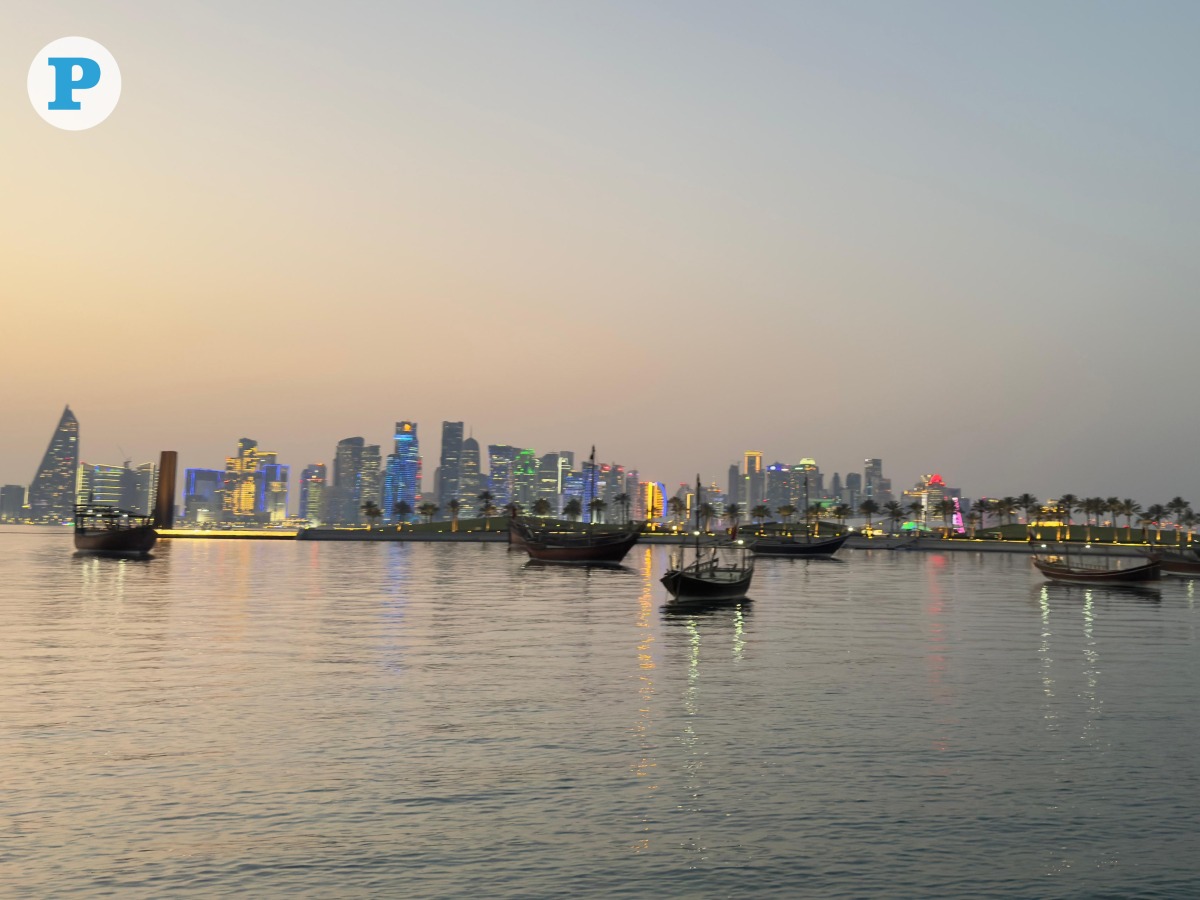
Doha, Qatar: Qatar has emerged as a regional leader in social progress in the 2025 AlTi Global Social Progress Index, securing a place in Tier 2 among the world’s 170 assessed nations.
With a score of 73.19 out of 100, Qatar is ranked third in the Middle East and North Africa and 50th globally, outperforming many of its peers in the region and demonstrating sustained commitment to improving the quality of life for its residents—even as global social progress has largely stagnated since the onset of the pandemic. The Index, developed through a partnership between AlTi Tiedemann Global and the Social Progress Imperative, measures how well countries meet their citizens’ basic needs, establish foundations for wellbeing, and create opportunities for individuals to reach their full potential—entirely separate from economic indicators like GDP.
Qatar’s ranking positions it ahead of several countries in the MENA region, which has shown slow progress since 2011. Qatar outperforms countries with similar economic profiles, demonstrating that wealth alone doesn’t determine social outcomes.
The comprehensive assessment tracks 57 indicators across three key dimensions: Basic Human Needs, Foundations of Wellbeing, and Opportunity. These include measures spanning health, education, safety, environmental quality, rights and freedoms, and access to information and communications. These pillars encompass indicators ranging from healthcare access and personal safety to education quality and environmental sustainability.
Qatar’s results place it among the leading performers in the Middle East and North Africa (MENA) region, reflecting sustained investment in people-centric development policies.
One of Qatar’s strongest areas in the index is Basic Human Needs, where the country scores highly on access to shelter, clean water, sanitation, electricity, and personal safety. Decades of infrastructure investment, combined with a robust social protection framework, have ensured that citizens and residents alike benefit from high living standards. Low crime rates, modern urban planning, and universal access to essential utilities continue to distinguish Qatar from many regional peers.
In the Foundations of Wellbeing category, Qatar demonstrates notable strengths in health outcomes and education. The expansion of world-class medical facilities, partnerships with international healthcare institutions, and a growing emphasis on preventive care have contributed to improved life expectancy and overall health indicators. At the same time, Qatar’s education system has enhanced access to quality learning and skills development, supporting long-term human capital growth.
Environmental performance, a key component of wellbeing in the AlTi index, also features prominently in Qatar’s profile. While acknowledging the challenges faced by hydrocarbon-based economies, the index highlights Qatar’s increasing focus on sustainability initiatives, renewable energy investment, and environmental management as part of its broader transition agenda under Qatar National Vision 2030.
The Opportunity dimension, which assesses personal rights, freedom of choice, inclusiveness, and access to advanced education, presents both strengths and areas for continued improvement. Qatar performs well in higher education access and digital connectivity, supported by significant investments in research, innovation, and smart infrastructure. Ongoing labour reforms, women’s empowerment initiatives, and policies aimed at enhancing workforce participation have contributed positively to Qatar’s standing in this category.
Compared with other MENA countries, Qatar ranks among the top tier in overall social progress, outperforming many peers with similar income levels. The index underscores that Qatar’s performance is not solely a function of wealth, but of deliberate policy choices that prioritise healthcare, education, safety, and social cohesion. This distinction is central to the AlTi index methodology, which separates social outcomes from pure economic metrics such as GDP.
Michael Green, CEO of the Social Progress Imperative, emphasised that “economic growth alone is not a panacea” and noted that “rising GDP has not led to real improvements in people’s lives” in many countries since COVID-19. The index demonstrates that countries with similar GDP per capita can have vastly different levels of social progress.
The report identifies four major opportunities for accelerating global social progress where private capital and investment could make significant differences.