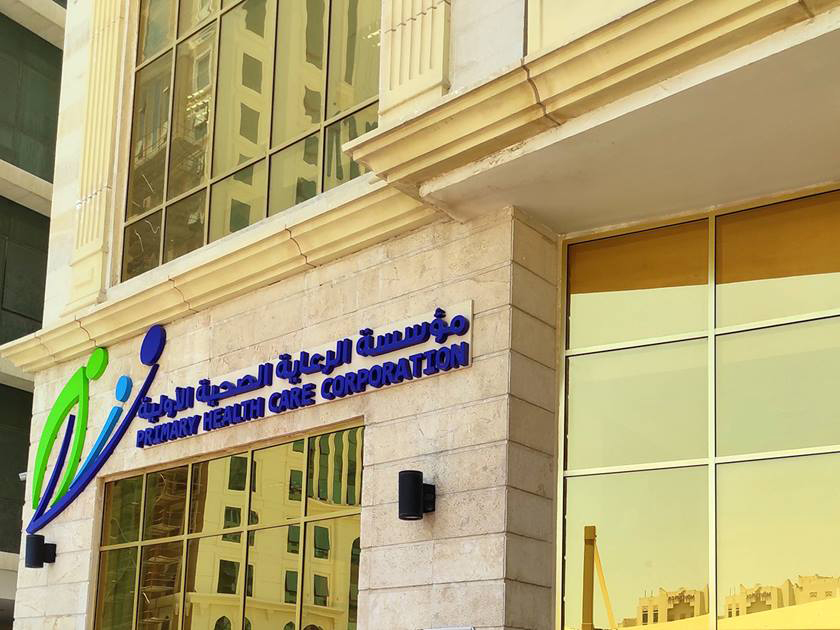
Doha, Qatar: The Primary Health Care Corporation reiterated the importance of individual medical assessments for patients with chronic diseases to determine their health capacity to fast during the remaining days of the holy month of Ramadan, particularly those with diabetes, heart, kidney, or respiratory conditions.
Dr. Rand Silwan Abbood, a family medicine specialist at the Primary Health Care Corporation, told Qatar News Agency (QNA) that fasting represents a health challenge for chronic disease patients, making medical evaluation crucial, especially as many patients advised by their doctors not to fast do not follow this guidance, which may lead to health complications.
She clarified that the ability to fast depends on an accurate classification of health risk levels. She noted that some cases are medically advised not to fast at all, while other categories may fast under medical supervision with treatment adjustments and continuous monitoring.
Dr. Abbood explained that the health risk classification for fasting is divided into several categories: very high-risk cases, high-risk cases, moderate-risk cases, and low-risk cases.
She pointed out that fasting is medically not recommended for "very high-risk cases," which require an alternative and safe treatment plan.
She specified that this category includes uncontrolled diabetic patients, severe hypoglycemia episodes, advanced kidney failure or dialysis patients, unstable heart disease, active chemotherapy, high-risk pregnancy, and children with chronic illnesses.
She added that fasting in the "high-risk cases" category is allowed with caution after prior medical evaluation and close monitoring. She mentioned that this includes uncontrolled diabetic patients or those using insulin, stable heart failure, stage three kidney failure, controlled epilepsy, uncomplicated pregnancy, and stable breastfeeding mothers.
Dr. Abbood emphasized that the third category, "moderate-risk cases," allows patients to fast under medical supervision with medication adjustments. She said that this includes relatively controlled diabetic patients, controlled hypertension, stable coronary artery disease, mild asthma, stable thyroid insufficiency, and early-stage kidney disease.
She stated that for "low-risk cases," fasting is generally safe with simple medical guidance. She noted that this category includes patients with stable chronic illnesses on once-daily medication with good treatment adherence.
Dr. Abbood highlighted regional statistics showing that approximately 78 percent of type 2 diabetic patients and 42.8 percent of type 1 diabetic patients fast during Ramadan. She added that between 30 to 50 percent of patients adjust or stop medications without medical consultation, while around 59.4 percent modify treatment doses, increasing the risk of blood sugar disturbances, dehydration, and health instability.
She indicated that studies in the Middle East show that about six percent of patients experience occasional hypoglycemic episodes during Ramadan, while approximately 2.5 percent require hospitalization due to low blood sugar.
Dr. Abbood explained that abstaining from food, fluids, and oral medications from dawn to sunset causes physiological and behavioral changes affecting body balance, including altered sleep and meal schedules and medication usage, which can directly impact the stability of chronic conditions.
She clarified that during the initial hours of fasting, the body consumes glycogen stores before shifting to fat as an energy source, warning that this increases risks of dehydration and low blood pressure, particularly in older adults and patients using diuretics or blood pressure medications
Dr. Abbood advised that physiological and treatment considerations during Ramadan require adherence to several health guidelines.
She emphasized avoiding medications that may negatively affect kidney function while fasting, monitoring for dizziness, falls, and fatigue, regularly checking blood sugar and blood pressure, adjusting some diabetes treatments to reduce hypoglycemia risk, limiting excessive caffeine and diuretic beverages, and reviewing medication doses and usage during and after Ramadan.