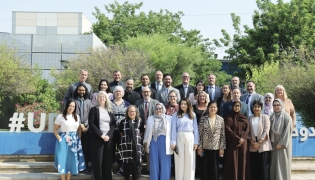
DOHA: The HSBC’s Middle East Economic Roadshow kick-started here yesterday. At the 17th roadshow 130 people gathered to hear HSBC’s economic experts discuss the outlook for the region. Over the next month, the Forum will travel to Saudi Arabia, Abu Dhabi, Dubai, Kuwait and Oman.
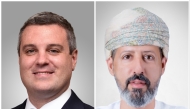
At the Roadshow, held at the W Hotel, Stephen King, Chief Economist said: “The next year is likely to see an extraordinary tug of war between the major central banks in the developed world. The US Federal Reserve intends to raise interest rates. The Bank of Japan is already an enthusiast for quantitative easing. The European Central Bank, faced with excessively low inflation, is likely to be converted to the cause by early 2015. For the developed world, we expect 2.6 percent US growth in 2015 but Japan is proving to be a major disappointment and we have reduced our forecast to 1 percent. Eurozone growth also trundles along at around 1 per cent. There are a few bright spots in the world economy — notably the wealthier parts of the Middle East.”
Simon Williams, Chief Economist, CEEMEA noted Qatar’s $200bn economy remains insulated from sluggish global growth thanks to its hydrocarbon wealth and large public investment program designed to accelerate economic diversification. The central government budget continues to register large surpluses and the outlook remains bright. Public investments are expected to keep growth at roughly 6-7 percent over the medium term, with nonhydrocarbon growth remaining about 10 per cent. The extent to which this public investment will encourage private sector productivity remains the key long-term question.The Peninsula