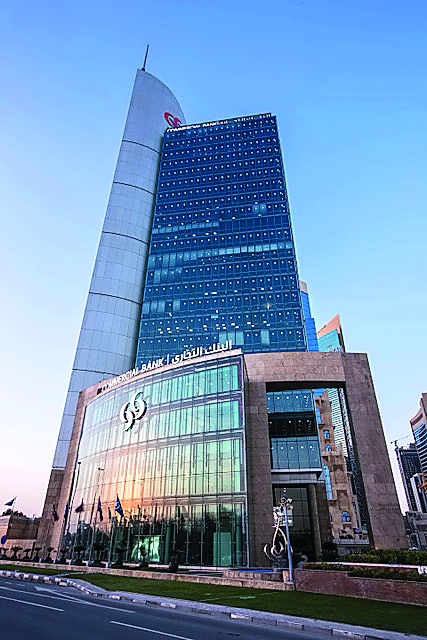
Qatar’s third-largest lender, Commercial Bank of Qatar (CBQ), is considering borrowing money on the Taiwanese bond market, its group chief executive told Reuters in Doha.
CBQ could tap the Taiwan’s Formosa bond market “in the next few months”, depending on appetite, Group Chief Executive Joseph Abraham said.
He said that $250m would be the minimum the bank would be interested in raising and the move would give comfort to investors.
“This, to me, is just showing that we are tapping into the international markets as we did always, so that again gives them comfort the business is running as usual,” Abraham said.
Formosa bonds are sold in Taiwan by foreign issuers and denominated in currencies other than the Taiwanese dollar.
“As it continues and they can see Qatar remains resilient and still functioning well, I think they are becoming a little more relaxed,” Abraham said.
Asian lenders, however, have continued to express appetite for Qatari paper, particularly institutions from China, Japan, South Korea and Taiwan, he said. Qatar’s largest lender, Qatar National Bank, this month said it had raised $630m in the Formosa market. However, Abraham said that other parts of the business continue to be affected by the crisis. Board meetings at United Arab Bank(UAB), an Emirati lender 40 percent owned by CBQ, are now held by video conference because of travel
restrictions imposed by the UAE, Abraham said. He also said that the two banks would be unlikely to work together on cross-border loans, as they have in the past, in the current circumstances.
Though CBQ funding costs have risen by about 20 basis points, Abraham said the bank is able to mitigate that by repricing assets and increasing its transaction banking fund base.
Qatar has pumped billions of dollars into local banks since the crisis began in an effort to cushion the sector from withdrawals by the four Arab countries.
“The country has the reserves and capability to manage,” Abraham said, later adding that “the central bank will do what’s required to ensure the banking system remains solid”.
CBQ has no plans to change its five-year strategy, unveiled late last year, the Gulf crisis having no end in sight, he said.
The bank has since raised its Common Equity Tier 1 ratio, a key measure of a lender’s ability to absorb losses, to 11.4 percent from 10 percent, he said.
Provisioning is expected to normalise at the start of next year and the cost-income ratio has dropped to 38 percent from 45 percent, he said, adding that CBQ aims to reduce that to 30 percent.
Commercial Bank Chief Executive Joseph Abraham said As it continues and they can see Qatar remains resilient and still functioning well, I think they are becoming a little more relaxed.”.
Asian lenders, however, have continued to express appetite for Qatari paper, particularly institutions from China, Japan, South Korea and Taiwan, he said.
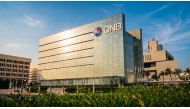
Qatar’s largest lender, Qatar National Bank, this month said it had raised $630m in the Formosa market.
However, Abraham said that other parts of the business continue to be affected by the crisis.
Board meetings at United Arab Bank(UAB), an Emirati lender 40 percent owned by CBQ, are now held by video conference because of travel restrictions imposed by the UAE, Abraham said.
He also said that the two banks would be unlikely to work together on cross-border loans, as they have in the past, in the current circumstances.
Though CBQ funding costs have risen by about 20 basis points, Abraham said the bank is able to mitigate that by repricing assets and increasing its transaction banking fund base.
Qatar has pumped billions of dollars into local banks since the crisis began in an effort to cushion the sector from withdrawals by the four Arab countries.
“The country has the reserves and capability to manage,” Abraham said, later adding that “the central bank will do what’s required to ensure the banking system remains solid”.
CBQ has no plans to change its five-year strategy, unveiled late last year, the Gulf crisis having no end in sight, he said.
The bank has since raised its Common Equity Tier 1 ratio, a key measure of a lender’s ability to absorb losses, to 11.4 percent from 10 percent, he said.
Provisioning is expected to normalise at the start of next year and the cost-income ratio has dropped to 38 percent from 45 percent, he said.
He added that the CBQ aims to reduce that to 30 percent.