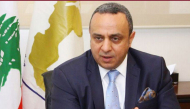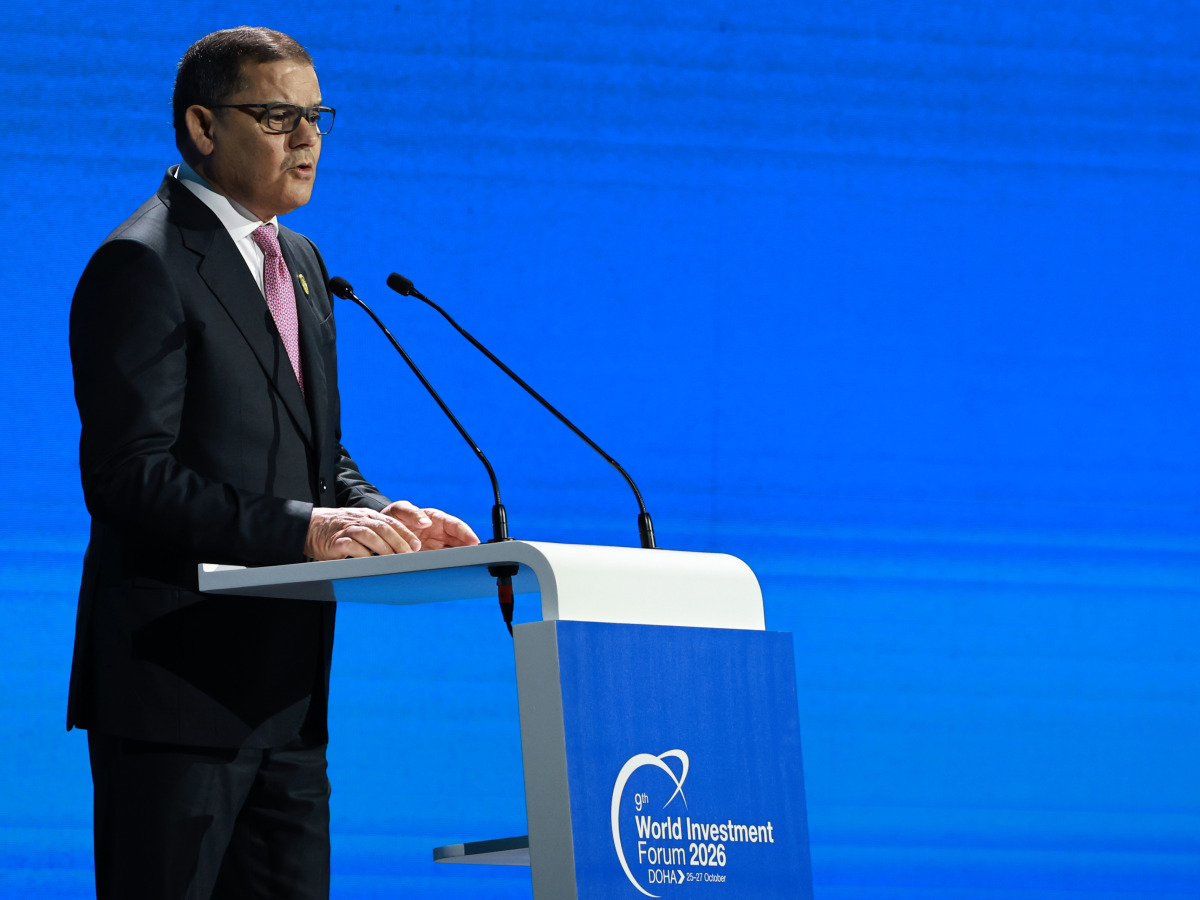
Prime Minister of the Government of National Unity of the State of Libya H E Abdul Hamid Mohammed Dbeibeh speaking during the forum.
Doha, Qatar: Libya attaches high importance to strengthening economic and investment cooperation with Qatar and transforming the strong relations between the two countries into practical and sustainable partnerships, Prime Minister of the Government of National Unity of the State of Libya H E Abdul Hamid Mohammed Dbeibeh has said.
Delivering a special address during the ninth edition of the World Investment Forum 2026, hosted by Qatar in partnership with the United Nations Conference on Trade and Development (UNCTAD) yesterday Dbeibeh said investment is a main pillar for economic growth and sustainable development, highlighting Libya’s efforts to diversify its economy, expand investment opportunities and create an attractive environment for local and foreign investors.
He thanked the State of Qatar for hosting the forum and the United Nations Conference on Trade and Development (UNCTAD) for its efforts to strengthen economic and investment cooperation at the international level.
“Libya is looking forward to building serious economic partnerships with friendly and brotherly states, as well as with sovereign investment funds and international financial institutions, on the basis of mutual interests, mutual trust and commitment,” he said.
“We attach high importance to improving economic and investment cooperation with the State of Qatar and transforming our great relationships into practical and sustainable ones,” Dbeibeh said.
Prime Minister of the Government of National Unity of the State of Libya reaffirmed that Libya remains open to serious investments and cooperation with international partners to build a diversified economy within a clear institutional and legal framework that turns investment into development, opportunities into projects, and partnerships into results.
“The National Unity Government of Libya believes that investment is a main pillar for economic growth and sustainable development,” Dbeibeh said, adding that successful investment is closely linked to clear legislation, competent institutions, transparency and mutual trust.
He noted that Libya is seeking to diversify its economy and expand local and foreign investment opportunities by making use of its strategic position and promising resources.
Libya is looking forward to attracting investments in energy, infrastructure, transportation, agriculture, industry, tourism, technology and renewable energy, he said.
Dbeibeh added that the government is working to create a more attractive investment climate by improving the legislative and regulatory environment, streamlining procedures, strengthening governance and transparency, and improving infrastructure and economic services to reinforce investor confidence.
Prime Minister of the Government of National Unity of the State of Libya stressed that Libya’s objective is not only to showcase investment opportunities but also to transform them into effective projects and sustainable partnerships through expanding public-private sector cooperation, transferring technology, localising industries and creating job opportunities.
He also highlighted the opportunities offered by Libya’s energy sector and other areas of the economy, noting that improving transparency in the Libyan economy is essential to preserving the country’s financial assets for future generations.
Dbeibeh said Libya enjoys numerous economic advantages, natural resources and promising opportunities that could strengthen its position in the global economy.
He added that transforming the country’s economic outlook into a high-income economy would require continued reforms, stronger institutional stability and a clear, transparent investment environment capable of fostering long-term partnerships.